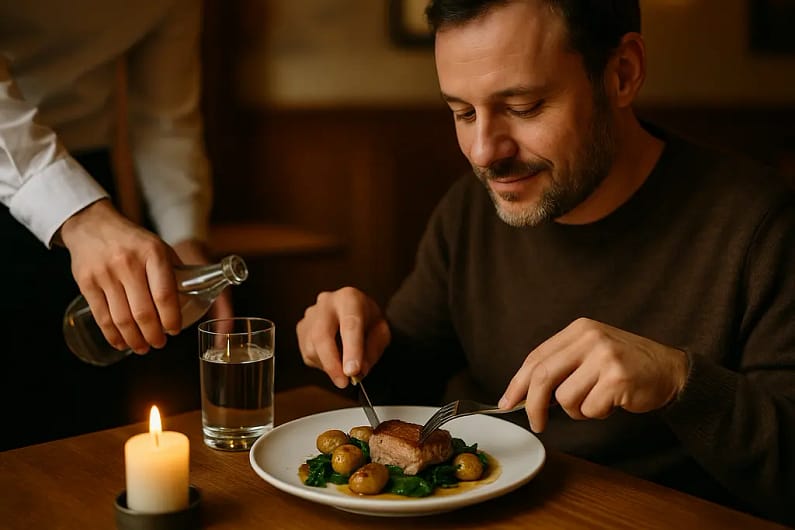
Solo dining is no longer a backup plan for people who could not find company. It is becoming a normal restaurant occasion, with diners booking tables for one by choice, spending on experiences they value, and asking restaurants for seats that feel comfortable rather than improvised. OpenTable data reported by Axios found that reservations for single diners rose 23% over the past year, while solo diners spent an average of $94 per meal compared with $60 for diners in groups Axios reported.
For diners, that shift matters before a reservation is made. A table for one can mean a relaxed counter seat, a tasting menu without group coordination, a quiet weeknight reset, or a practical meal between work and travel. It can also come with questions: Will the restaurant seat one person at a two-top? Is the bar the default? Will pacing feel rushed? The better prepared a diner is, the easier it becomes to book with confidence and enjoy the meal on personal terms.
Why Solo Dining Is Moving Into The MaiDe Novo Montclair for nstream
Solo Dining Signals A Different Kind Of Occasion
The strongest change is not just the number of reservations. It is the way diners describe the occasion. The Axios report notes that many people see eating alone as a chance to slow down, reflect, and enjoy the moment. That framing is useful because it separates dining alone from the older idea that a one-person table is a compromise.
For restaurants and personal chefs, this is a storytelling cue. A single guest may be celebrating a private milestone, recovering from a demanding week, scouting a venue for future group plans, or simply choosing a meal without negotiation. None of those occasions needs to be treated as lesser than a date night or family dinner.
Generational Habits Are Pushing The Pattern Forward
Outspoken Eater reported that nearly 50% of Gen Z and millennial diners eat alone at least once weekly, compared with a broader average range of 21% to 29%. The same report said full-service restaurants saw a 22% year-over-year increase in reservations for one in Q3 2026, while solo orders accounted for 47% of quick-service restaurant orders in 2026, up from 31% in 2021 Outspoken Eater reported.
Those figures suggest that restaurants should not treat one-person reservations as fringe traffic. Diners may also notice more spaces designed for individual meals: counters with a view of the kitchen, smaller two-top sections, bar dining with full menus, or reservation notes that make it easier to request a preferred seat. The exact setup varies by restaurant, so guests should confirm details rather than assume every dining room handles one-person bookings the same way.
What Solo Diners Should Expect Before Booking
Check The Seating Format Before You Reserve
Before booking, treat solo dining like any other occasion with specific preferences. If you want a quiet corner table, say so in the reservation notes or call during non-peak hours. If you prefer a bar seat where the full menu is available, confirm that before arriving. Some restaurants may place one guest at the bar by default, while others are happy to seat one person at a table if availability allows.
A good reservation note is short and practical. For example: “Dining alone and would prefer a table if possible,” or “Happy with bar seating if the dinner menu is served there.” This gives the host useful information without demanding a guarantee the restaurant cannot promise.
Ask About Pacing, Menu Format, And Minimums
One-person dining can feel excellent when pacing is handled well. It can feel awkward when courses arrive too quickly, especially if the guest came to read, think, or enjoy a longer meal. Diners can ask whether tasting menus are available for one, whether shared plates can be portioned sensibly, and whether there are minimum spends for certain seats or reservations.
Not every restaurant publishes these details clearly. If a policy is not listed on the restaurant’s official site or reservation page, the safest move is to ask directly. Avoid relying on old comments, unverified social posts, or assumptions from another city. Restaurants adjust menus, room layouts, and booking rules often enough that direct confirmation is the most useful source.
How Restaurants And Personal Chefs Can Respond
Design The Experience Around Comfort
For restaurant operators, the rise of one-person bookings is not just a seating math issue. It is an experience issue. A single guest should not feel rushed, ignored, or treated as a less valuable table. Simple service choices help: offer the full menu without hesitation, explain portion sizes clearly, and ask about pacing in the same natural way a server would with two guests.
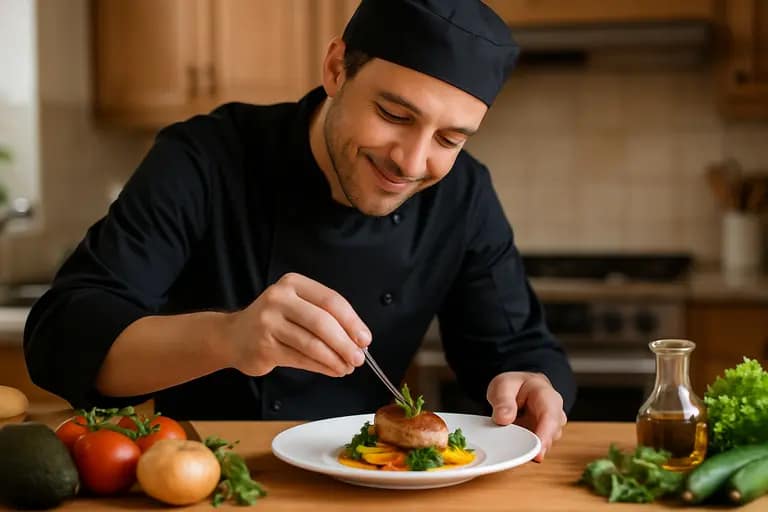
Personal chefs can learn from the same trend. A client may book a private meal for one because they want a quiet birthday dinner, a reset after travel, or a focused tasting of dishes before hiring a chef for a larger event. In blogging and service pages, chefs should tell those stories clearly. Instead of presenting private dining only as anniversaries and dinner parties, show how a one-person service can be structured with a planned menu, clear timing, and a relaxed setting.
Use Storytelling Without Making The Guest Explain Themselves
As a blogger, I see a useful lesson here for chefs: the story should make room for the guest without forcing a personal reason. Copy such as “a quiet dinner built around your pace” is more welcoming than language that assumes loneliness, stress, or celebration. The diner gets to decide what the meal means.
Restaurants can take a similar approach on reservation pages and social posts. They can mention counter dining, full-menu bar service, tables for one, or weekday openings in a neutral tone. That tells solo guests they are expected and welcome. Readers interested in related dining culture within our network can also visit De Novo Montclair for another restaurant-focused perspective.
- Use reservation notes to state seating preferences clearly.
- Confirm whether the bar serves the full menu.
- Ask about tasting menus, minimums, or shared-plate portions if they are not published.
- Choose a time of day that matches the experience you want, such as a slower early dinner or a livelier prime-time seat.
Solo Dining Booking Checklist
Make The Reservation Match The Meal You Want
The best table for one starts with a clear idea of the meal. If you want to linger, avoid booking right before closing or during the tightest rush. If you want energy, a counter or bar seat may feel better than an isolated table. If you are trying a restaurant for a possible future group event, make a note of service rhythm, menu flexibility, noise level, and how staff communicate with guests dining alone.
For higher-demand restaurants, book as early as the platform allows and check whether one-person availability appears at different times than two-person availability. Some systems show limited options for odd party sizes. If the restaurant accepts phone calls, a polite call can clarify whether a single seat is possible at the bar, counter, or dining room.
Give Yourself Permission To Enjoy The Table
A one-person reservation does not need a performance plan. Bring a book, sit with a drink, ask thoughtful questions about the menu, or simply pay attention to the room. The point is not to prove anything; it is to choose a dining experience that fits the day.
For diners, the practical path is simple: confirm seating, understand the menu format, ask about policies that affect one guest, and book at a time that supports the meal you want. For chefs and restaurants, the opportunity is equally clear. Treat the guest at a table for one as intentional, valuable, and ready for a well-paced experience.