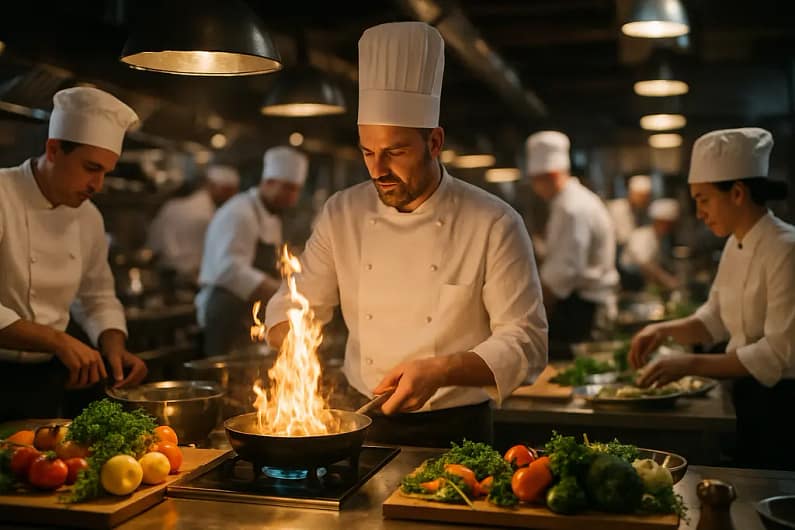
Booking a Chef is easier when the host understands one simple point: the date often matters as much as the menu. A relaxed Tuesday dinner for six can sometimes come together on a shorter schedule, while a Saturday wedding, holiday party, or corporate reception needs more planning time because staffing, rentals, menu testing, travel, and sourcing all compete for attention.
Event planning data supports that wider view. In a summer 2024 FICP Pulse Survey, 15.4% of meeting and event professionals said they planned events more than 12 months ahead, while 61.5% planned 6 to 12 months ahead and 23.1% planned less than 6 months ahead, according to the FICP survey report. That does not mean every private dinner needs half a year of notice. It does mean that higher-stakes dates are rarely won by last-minute outreach.
Booking a Chef Lead Times By Event Size
The best lead time depends on guest count, meal style, venue rules, and how much choice the host wants. A small dinner with a flexible menu gives a chef more room to say yes. A seated dinner for 80 people, a wedding with passed appetizers, or a December office party involves more people and more decision points.
Booking a Chef For Small Dinners
Booking a Chef for a small weekday dinner is usually the most flexible request. Research examples from private-chef and catering service pages in 2026 commonly placed casual private dinners and weekday meals in a range of about two to four weeks, assuming the host can stay flexible on cuisine, service style, and the exact chef assigned.
Weekend dinner parties need more room. Several service examples in the research placed typical weekend private parties closer to three to eight weeks, with the longer end applying to busy markets, special menus, and dates near holidays. If the host wants a chef with a strong referral base, a known specialty, or repeat-client demand, asking earlier gives that chef a fair chance to hold the date and build the menu properly.
Holiday And Peak-Date Requests
Holiday weeks change the booking conversation. Thanksgiving, Christmas gatherings, New Year’s Eve, Valentine’s Day, graduation weekends, and popular summer Saturdays can compress the available chef pool quickly. Research examples for private chef services placed major holiday requests around eight to twelve weeks ahead for better choice, and some competitive locations may need more time.
This is where hosts should be direct. Ask whether the chef is still taking new bookings for the date, whether the quote includes shopping and cleanup, and whether the menu can be simplified if the preferred service style is no longer practical. Diners can explore how casual dining at Hudson Street Cafe provides a reminder that restaurant-style dining and in-home service run on different staffing rhythms.
| Event Type | Practical Lead Time | Why It Matters |
|---|---|---|
| Weekday private dinner | About 2 to 4 weeks | More flexibility on chef availability and menu scope |
| Weekend dinner party | About 3 to 8 weeks | Higher demand for prime evenings and special occasions |
| Major holiday meal | About 8 to 12 weeks | Limited chef availability and tighter sourcing schedules |
| Wedding or high-production event | About 9 to 15 months | Menu tastings, rentals, staffing, and venue coordination |
| Simple drop-off or office lunch | About 48 hours to 2 weeks | Lower service demands, but availability still varies |
How Corporate And Wedding Timelines Differ
Corporate events and weddings create a different planning pattern than small private dinners. Even if the food itself is straightforward, the service plan may include contracts, building access, insurance documents, rentals, dietary notes, beverage coordination, and a run of show. These details require response time from more than one person.
Global DMC Partners’ Q3 survey report found that about 26% of planners booked 10 to 12 months ahead, 20% booked 7 to 9 months ahead, about 24% booked 4 to 6 months ahead, and 9% booked less than three months ahead, according to its planning and lead-times report. For hosts, the useful lesson is not that every event needs the same window. It is that the more formal the event, the more the chef or caterer needs time to coordinate people and materials.
Weddings And Large Social Events
Wedding catering usually benefits from the longest runway. Research examples placed large weddings and high-production events around nine to fifteen months ahead, especially for peak-season Saturdays. That extra time helps with tastings, menu revisions, rentals, service staffing, kitchen access, and timing with the venue.
A couple does not need to know every appetizer before starting the conversation. They should know the date, venue or general location, estimated guest count, meal format, and whether they want plated service, family-style service, stations, or a drop-off-style reception. Those early details help chefs decide if the event fits their team and pricing model.
Corporate Meals And Office Parties
Corporate dining can sit anywhere from simple to highly structured. A boxed lunch or drop-off meal may be possible with one to two weeks of notice if the provider has capacity. A December office party, gala, conference dinner, or client reception may need three to six months, and larger programs can require more time if rentals, service staff, or venue approvals are involved.
For business hosts, the most useful early questions are practical: Who signs the agreement? Is there a purchase order process? Are dietary requests due by a set date? Will the chef need loading dock access, parking instructions, or a certificate of insurance? Answering those questions early protects the meal from administrative delays.
Questions To Ask Before The Date Is Held

A chef may be available on the calendar but still need more information before confirming the booking. From a client-management standpoint, this is where clear communication protects both sides. The host avoids vague expectations, and the chef can quote with fewer surprises.
- What is the event date, start time, location, and expected guest count?
- Is the meal plated, family-style, buffet, drop-off, or interactive?
- Are rentals, servers, bartenders, or cleanup included in the quote?
- When are menu choices, guest count changes, and final payment due?
- What happens if the date changes or the host cancels?
Hosts who are still choosing a date may benefit from broader planning advice on when to book personal chef services, especially for weekends, holidays, and destination meals. For chefs, these same questions can become part of a standard inquiry form so each lead arrives with the right details.
Booking a Chef With Fewer Date Risks
Booking a Chef earlier is not only about securing talent. It also gives the host more room to compare service styles, clarify costs, approve a menu, and avoid rushed decisions. Short notice can still work for a simple meal, but flexibility becomes the price of waiting.
A practical rule is to match the booking window to the pressure on the date. For a small weekday dinner, start a few weeks out. For a weekend celebration, start at least a month or two ahead. For a major holiday, prime Saturday, wedding, gala, or large corporate event, begin the conversation months earlier. The earlier inquiry does not need to settle every detail; it simply opens the door before the calendar closes.
For personal chefs building stronger client relationships, this is also a service opportunity. Clear lead-time language on inquiry forms, proposals, and referral conversations helps clients understand why a quick “Are you free?” is only the first step. Good timing makes better menus possible, reduces stress for the host, and gives the chef space to deliver the level of service the event deserves.