Regional cuisines give personal chefs a practical way to move beyond generic dinner service and build meals with place, memory, and meaning. Clients may ask for convenience first, but many also want food that feels connected to a city, season, family background, or travel memory. For a chef writing blog posts, planning menus, or explaining a premium service, that connection can become a clear story rather than a vague promise.
The demand signal is not guesswork. The National Restaurant Association reported that, in a May 2026 survey of more than 1,000 U.S. consumers, 79% of domestic travelers said they wanted to experience local cuisine and planned to seek out restaurants known for destination foods and flavors; the same report found that 88% of travelers planned to visit at least one restaurant they had never tried before on their trips restaurant travel report. That matters for personal chefs because travel tastes often come home with clients.
Why Regional Cuisines Matter To Clients
Clients Are Asking For Food With A Sense Of Place
A personal chef does not need to copy a restaurant experience to benefit from this trend. The useful lesson is simpler: people are showing interest in foods that feel specific. A client may return from Charleston curious about shrimp and grits, from New Mexico asking about green chile, or from the Pacific Northwest wanting salmon with seasonal produce. If the chef can discuss the regional inspiration honestly, the meal feels more personal.
KPMG’s Consumer Pulse Survey, fielded from February to March 2026, found that 35% of U.S. consumers cited “seeking new and diverse cuisine options” as a reason for dining out more rather than eating at home KPMG consumer survey. For personal chefs, that suggests an opening: home dining can compete on variety, not just convenience.
Regional Cuisines Help Chefs Tell Better Menu Stories
Menus become easier to explain when they have a clear point of view. “Roasted chicken with vegetables” may be perfectly cooked, but it does not give the client much to remember. “A Lowcountry-inspired chicken dinner with rice, okra, and bright vinegar notes” gives the meal a setting and a reason. The chef can still adapt the dish for household preferences, but the description has more shape.
For bloggers, this is especially useful. A post about a meal-prep package can feel flat if it only lists portions and reheating notes. A post about how a chef builds a week of dinners around Gulf Coast flavors, Midwestern harvest cooking, or California market produce gives readers a reason to keep reading. The story supports the service without sounding like a hard sell.
How Personal Chefs Can Research Local Food Honestly
Start With Ingredients, Not Stereotypes
Exploring regional cuisines requires care. A chef should avoid reducing a place to one famous dish or using cultural references without context. A better starting point is the ingredient pattern: grains, beans, seafood, preserved foods, spices, herbs, produce, and cooking fats that appear often in a region. From there, the chef can study techniques and service traditions before building a client-ready menu.
This also protects the chef’s credibility. A client who cares about food may notice if a dish is labeled with a region but has little connection to that place. Clear language helps. A chef can say “inspired by” when a dish borrows flavors rather than claiming strict tradition. That phrasing is honest and gives room for household needs, availability, and budget.
Use Regional Cuisines To Build A Sourcing Routine
Local sourcing can support the story, but it needs planning. Chefs should keep notes on farmers markets, seafood vendors, specialty grocers, bakeries, and butchers that are reliable for the types of menus they offer. If an ingredient is seasonal or hard to source, say so early. Clients usually respond better to clear expectations than last-minute substitutions.
A simple sourcing note in a proposal can do a lot of work: “This menu uses local corn if available; if not, I will use the best fresh corn available that week.” That sentence is plain, practical, and client-friendly. It also shows that the chef is thinking like a professional rather than making a decorative claim.
- Keep a short supplier list for each menu category, such as seafood, produce, bread, cheese, and pantry items.
- Track which ingredients are dependable in each season and which ones need backup options.
- Use accurate menu wording, such as “local,” “regional,” or “inspired by,” only when the menu supports it.
- Ask clients about travel memories, family food traditions, and flavors they want to revisit.
Turning Local Flavor Into A Stronger Chef Brand
Make The Blog Part Of The Client Experience
A blog can do more than attract search traffic. It can prepare clients for the kind of service a chef offers. If a personal chef writes about seasonal Southern sides, regional Italian-American Sunday meals, or coastal seafood dinners, readers begin to understand the chef’s taste, standards, and approach to hospitality. That makes the sales conversation warmer before the first consultation.
Good storytelling does not require long essays about every ingredient. A short paragraph about why a dish belongs on a menu, where the flavor idea came from, and how it fits a household’s schedule can be enough. Related dining sites in the same network, such as Hudson Street Cafe, can also remind chefs that food content works best when it feels useful, specific, and grounded in real dining habits.
Connect The Story To Pricing And Service Design
Clients need to understand what they are paying for. Research, sourcing, testing, shopping, prep, cooking, cleanup, and menu writing all take time. A chef who builds menus around regional cuisines should explain that value without overcomplicating the proposal. For example, a three-dinner package built around local produce and a specific regional theme may require more planning than a standard batch-cook service.
This is where positioning matters. The chef can describe the service as a curated home-dining experience, a travel-inspired dinner, or a weekly menu built around local ingredients. The wording should match what the chef can actually deliver. For related pricing and planning ideas, chefs can compare how changing dining priorities affect menu design and client messaging.
Questions To Ask Before Building A Regional Menu
Client Questions That Lead To Better Menus
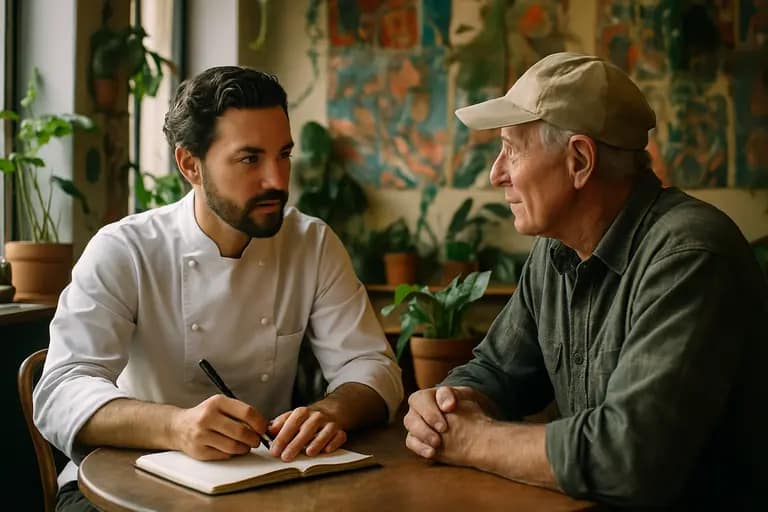
The best regional menu often starts with better intake questions. Instead of asking only about dislikes, allergies, and portion sizes, chefs can ask what places the client loves, which restaurants they remember, and what flavors feel comforting. These questions reveal emotional cues that a standard preference form may miss.
A chef might ask: “Is there a city or region you wish you could eat from more often at home?” or “Are there family dishes you want respected but not copied exactly?” The answers can shape menu direction while giving the chef room to stay within skill level, availability, and budget. This is especially helpful for anniversaries, small dinner parties, and recurring weekly service.
Operational Questions That Protect The Service
Regional ideas still need a practical service plan. The chef should confirm kitchen equipment, reheating needs, storage space, and whether the meal will be eaten immediately or across several days. Some dishes hold well; others lose their best texture quickly. The chef’s job is to choose ideas that fit the client’s home, not just the theme.
It is also wise to set limits. If a client requests a cuisine the chef has not studied, the chef can offer a research-based inspired menu or refer out for a highly traditional request. That honesty builds trust. It also prevents the chef from turning cultural food traditions into surface-level decoration.
Regional Cuisines As A Personal Chef Advantage
Regional cuisines can help personal chefs stand out because they connect demand for variety with the intimacy of home dining. The strongest advantage is not claiming to be an expert in every food tradition. It is showing curiosity, respect, and practical skill while building menus that fit real households.
For chef bloggers, the opportunity is clear: write about the places, ingredients, and stories behind your menus, then connect those stories to what clients need at the table. A well-described regional meal can make a service feel more thoughtful, more memorable, and easier to book for the right client.