Designing a meal plan without knowing your family’s needs is like writing a sitcom without characters. It’s like throwing spaghetti at the wall, hoping it sticks. And hoping the toddler won’t throw it back.
In today’s fast world, balancing work, home schooling, and cooking can be tough. It feels like a never-ending battle.
Imagine two working parents fueled by caffeine. A picky toddler who sees veggies as evidence in a crime scene. And a vegetarian teen who’s upset after watching a documentary. If your family meal plan pricing doesn’t account for these challenges, it’s a logistical nightmare.
We must create kid friendly plans that truly nourish them. Making sure the teen gets enough plant-based protein is key. It’s not just cooking; it’s a delicate balance of nutrition and diplomacy.
Tier Architecture 1 Night 3 Night 5 Night Packages Snacks Lunch Add Ons
Why do we insist on a one-size-fits-all approach when it comes to family meal plans? It’s a curious contradiction. Just like fashion, our meal preferences vary widely. This is where tier architecture shines, blending psychology with revenue. Let’s break down the options: the 1-night, 3-night, and 5-night packages, along with the all-important snack and lunch add-ons.
The “Gateway Drug” 1-Night Trial
Welcome to the world of low-risk entry points. The 1-night trial is your friendly neighborhood loss leader. It’s the “try before you deny” option for the skeptical parent who thinks meal kits are just overpriced groceries. This package invites families to dip their toes into the waters of meal subscriptions without diving headfirst into commitment.
Overcoming Commitment Phobia with Low-Risk Entry Points
For many, the fear of commitment is real—-especialy when it comes to food. A single night of meals allows families to test the waters. It’s the perfect opportunity to gauge interest without the pressure of a long-term commitment. This strategy not only builds trust but also opens the door to upselling to longer packages.
The 3-Night Sweet Spot for the Modern Family
Now, let’s talk about the 3-night package. This option strikes a balance between practicality and flexibility. It covers the chaos of Tuesday through Thursday, allowing families to enjoy home-cooked meals while leaving room for pizza on Friday.
Balancing “Cook” Nights with Leftover Reality
In reality, we all know that cooking every night is a fantasy. The 3-night plan acknowledges this by blending fresh meals with the reality of leftovers. It’s a smart way to manage time and budget, catering to busy families who need a little help.
The 5-Night Full-Service Immersion
For those who have fully embraced the meal subscription lifestyle, the 5-night package is a full-service immersion. It’s perfect for families who’ve decided that chopping onions is a violation of their self-care routine. This tier justifies its premium price point by providing convenience and saving time.
Justifying the Premium Price Point for Total Outsourcing
Sure, the 5-night package comes at a higher cost, but consider the value. Total outsourcing of meal prep means less stress and more family time. For busy parents, that’s worth its weight in gold. It’s not just about food; it’s about reclaiming precious hours in the day.
The Snack and Lunch Add-On Economy
Now, let’s not forget the add-ons. Snacks and lunches aren’t merely extras; they are the lifeblood of family meal plan pricing. Capturing the “school lunch panic” revenue stream can be a game changer for meal subscription services.
Capturing the “School Lunch Panic” Revenue Stream
Imagine the chaos of a school morning—kids scrambling for snacks and lunches while parents negotiate granola bar negotiations. If you can solve this daily dilemma, you can charge a premium. It’s not about the cost of a cheese stick; it’s about the value of reclaimed mental bandwidth.
Portion Math Adult Kid and Athlete Macros Leftover Plan
Mastering portion sizes is like threading a needle in a moving car. It’s a delicate dance with high stakes. You must balance family meal plan pricing with nutritional needs.
Knowing how much to serve can save you from food waste and the dreaded “What’s for lunch?” question. This question haunts every parent.
The Caloric Calculus of the “Adult Who Forgot Lunch”
Adults can be as finicky as kids, and being hangry doesn’t help. The adult who forgot lunch is now eyeing dinner like a starved wolf. But how do you calculate the right amount?
It starts with defining a standard adult serving vs. reality. The average adult may think they need a mere plateful. But the truth is often more substantial.
Defining a Standard Adult Serving vs. Reality
In theory, a standard serving is about 4-6 ounces of protein, a cup of vegetables, and a side of carbs. But reality tells a different story. Many adults are looking for more when dinner rolls around.
They might want 8 ounces of chicken thighs or an extra scoop of quinoa. This discrepancy can lead to serious budget issues if not accounted for in your family meal plan pricing.
The Picky Toddler Black Hole
Now, let’s talk about the little ones. The picky toddler black hole is notorious for sucking in good intentions and spitting out half-eaten meals. Why are “kid portions” a myth and a margin killer?
Because toddlers can surprise you. One moment they’re devouring broccoli, and the next, they’re declaring it “too green.”
Why “Kid Portions” Are a Myth and a Margin Killer
In reality, serving sizes for kids should be more flexible. A toddler might need just a few bites of protein. But they often prefer to fill up on carbs—think pasta or bread.
Instead of rigidly sticking to a portion guide, consider preparing a variety of foods. Allow them to choose. This not only reduces waste but also keeps the meal exciting.
Fueling the Vegetarian Teen Athlete
Now, for the vegetarian teen athlete, the stakes are even higher. Hitting 40g of plant protein without blowing the budget is no small feat. They need energy, and lots of it!
Hitting 40g of Plant Protein Without Blowing the Budget
Incorporating high-protein plant sources like lentils, chickpeas, and quinoa can help achieve those macro goals. You might consider a high-protein plan like Factor, which emphasizes nutritious meals tailored for athletes.
But don’t forget about the leftovers! They can serve as a post-practice refuel, saving both time and money.
The Strategic Leftover Algorithm
Let’s discuss the strategic leftover algorithm. Designing dinner for tomorrow’s thermos is a game-changer. When you cook, think about doubling your portions.
This isn’t just math; it’s a zero-waste, high-satiety equation. It keeps your margins healthy and your customers happier than a toddler with a hidden cookie.
Designing Dinner for Tomorrow’s Thermos
When preparing meals, always consider how leftovers can be repurposed. A little creativity can turn last night’s chili into today’s lunch burrito.
By incorporating a leftover plan into your weekly prep, you can streamline your cooking process. This keeps your family well-fed without breaking the bank.
For more tips on meal planning, check out this 7-day meal plan for athletes or explore the personal chef pricing guide for insights on setting competitive rates.
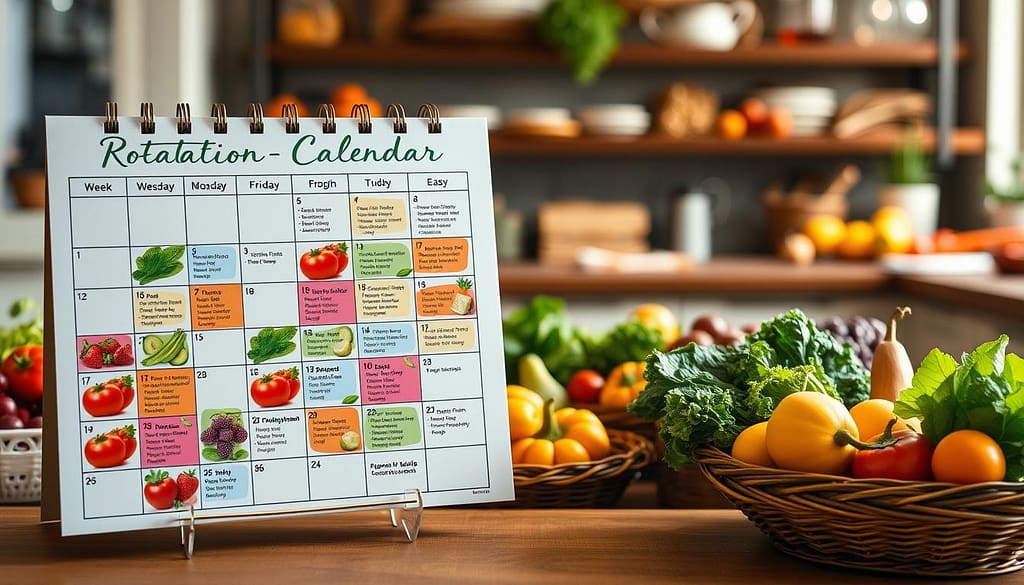
Rotation Calendar 4 to 6 Week Cycles Seasonal Produce Swap List
A happy family meal plan starts with a good rotation calendar. It’s not just about avoiding the same old dishes. It’s about making dinner exciting for everyone. A rotation calendar helps keep meals fresh and interesting.
Breaking the “Groundhog Day” Menu Syndrome
Ever felt like you’re eating the same thing every week? A 6-week reset can fix this. It’s the perfect time to try new recipes without anyone getting bored.
The Psychological Necessity of the 6-Week Reset
Why 6 weeks? It’s long enough to get into a routine but short enough to stay fresh. Rotating meals makes dinner feel like a new adventure every week. This keeps your family excited and happy.
Seasonal Swaps as a Cost-Control Mechanism
Seasonal produce is a smart way to save money. Buying out-of-season fruits and veggies can be expensive. Instead, choose budget-friendly options like hardy greens and root vegetables.
Why Buying Strawberries in January Kills Your Margins
Strawberries in January are a budget buster. Seasonal shopping saves money and ensures fresh ingredients. Use a seasonal produce swap list to plan your meals and cut costs.
The “Greatest Hits” vs. “New Discovery” Ratio
Meal planning needs a mix of old favorites and new dishes. Think of it like a playlist for your family’s meals. You want to keep some favorites but also try new things.
Using Data to Predict Family Favorites
Keep track of what your family likes. Use past meal data to plan new dishes. This keeps the menu exciting and keeps your family interested in meal planning.
| Week | Menu Item | Seasonal Produce | Cost |
|---|---|---|---|
| 1 | Stir-Fry Chicken | Broccoli | $10 |
| 2 | Vegetable Curry | Carrots | $8 |
| 3 | Grilled Salmon | Asparagus | $15 |
| 4 | Beef Tacos | Tomatoes | $12 |
| 5 | Quinoa Salad | Spinach | $9 |
| 6 | Pasta Primavera | Zucchini | $11 |
Delivery or Cook in Home Labor Blocks Cleanup and Container Policies
Meal delivery can be a challenge. You might get cold ingredients or have someone cook in your kitchen. It’s not just about ease; it’s about the experience.
The “Ghost Kitchen” vs. “In-Home Sous Chef” Model
The “Ghost Kitchen” model is all about efficiency. It delivers prepped ingredients for a gourmet meal without the hassle. But, is it truly gourmet if you’re cooking it?
The “In-Home Sous Chef” model is more personal. You invite a stranger into your home, which can be awkward. It’s not just about the food; it’s about the awkward dance of someone using your kitchen.
Pricing the Intimacy of a Stranger in Your Kitchen
In-home cooking services vary in price. You’re paying for more than just food; you’re paying for someone to manage your kitchen. It’s a premium for sanity. But, it can get expensive if not managed well.
The Container Conundrum
Container issues are common. Your Tupperware collection might disappear. If you don’t track returns, it’s like funding a black-market Tupperware ring.
Tracking Return Rates and the “Tupperware Graveyard” Fee
Tracking container returns is key. You don’t want to fund a Tupperware graveyard. A fee for unreturned containers can encourage accountability. It’s a simple way to save money.
Labor Blocks and the Illusion of the “30-Minute Meal”
The “30-minute meal” is often misleading. Prep time is often overlooked. Your “weekly prep” guides might suggest a quick fix, but forget the extra time needed.
Why Prep Time Estimates Must Include Sanitization
When planning your subscription menus, include real prep time. Unpacking, following unclear instructions, and searching for kitchen items all add up. Being transparent is not just ethical; it keeps customers coming back.
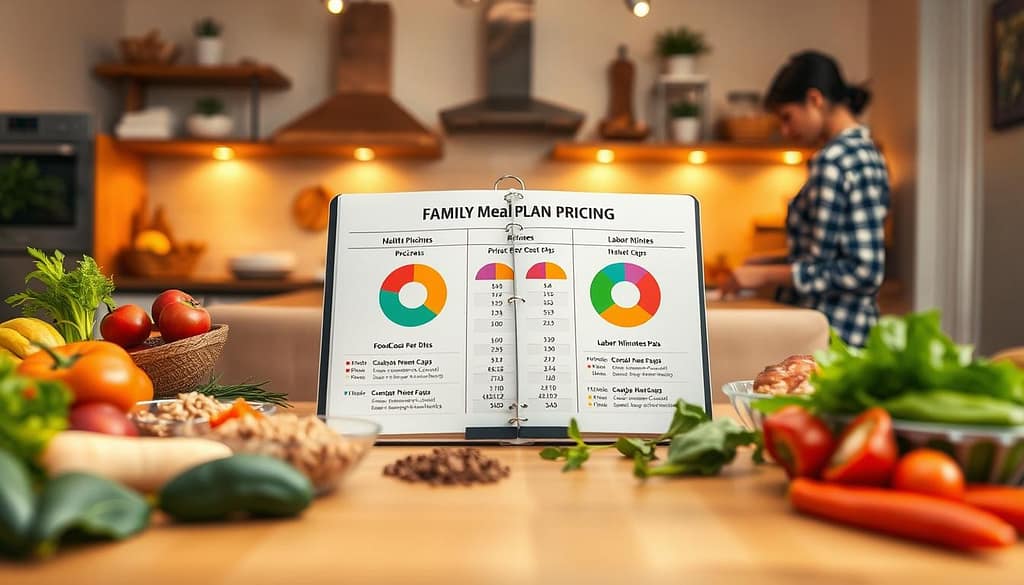
Pricing and Margins Food Cost Caps Labor Minutes Per Dish Overhead Recovery
When pricing your meal plan, the details matter a lot. Knowing the costs is key to making money. If food costs are over 30%, you’re losing money. But, using vegetarian options can save a lot.
Plant-based foods like lentils and tofu are cheaper than meat. This smart choice helps balance your budget.
The 30% Food Cost Rule and the Vegetarian Loophole
The 30% food cost rule is a must. It keeps your meal plan affordable. Using vegetarian options can cut costs a lot.
Here’s a cost comparison:
| Ingredient Type | Average Cost per Serving | Cost Impact on Meal Plan |
|---|---|---|
| Grass-Fed Beef | $5.00 | High |
| Chicken Breast | $3.50 | Moderate |
| Lentils | $1.00 | Low |
| Chickpeas | $0.75 | Low |
Why Plant-Based Proteins Boost Your Bottom Line
Plant-based foods are not only healthy but also save money. Adding more of these can make your meal plan profitable. This way, you can offer a variety of dishes without breaking the bank.
Calculating Labor as a Fixed vs. Variable Cost
Next, let’s talk about labor. You can’t just guess how long it takes to prepare a meal. It’s all about efficiency. Saving time means saving money.
The Efficiency of Batch-Prepping 50 Meals vs. 5
Batch-prepping is a game-changer. It saves both time and money. Here’s how it can affect your costs:
| Batch Size | Labor Minutes Required | Cost per Meal |
|---|---|---|
| 5 Meals | 60 | $12.00 |
| 50 Meals | 120 | $8.00 |
Overhead Recovery Through “Experience” Surcharges
Now, let’s talk about overhead costs. You’re not just selling food. You’re selling a unique experience. This experience comes with a price.
Charging for the Recipe Intellectual Property, Not Just the Carrots
Adding a surcharge for your recipes can help cover costs. It’s not just about the food. It’s about the experience you provide. This can really boost your profits.
Commitment Discounts Pause Skip Vacation Rules and Renewal Scripts
Family meal plans thrive on commitment discounts. These discounts are key to keeping customers. Imagine a 10% discount for three months. It’s not just a deal; it’s a partnership.
You’re saying, “We’ll handle your dinner problems, and you won’t leave us.” This builds loyalty and cuts down on people leaving.
The “Subscribe and Save” Psychological Hook
Families love saving money. The “subscribe and save” idea taps into this. It encourages them to commit, making it feel rewarding.
But why do longer commitments work better than free trials? It’s because discounts make the service more valuable.
Why 10% Off Forever Beats a Free Trial
A free trial might seem good, but it lacks commitment. Families might enjoy a week but won’t stick around. A 10% discount makes them think long-term.
They’re not just trying it out; they’re investing in a solution.
The Art of the Frictionless Pause
Next, let’s talk about easy pauses. If pausing is hard, you’re in trouble. Today’s consumers want simplicity. Make pausing as easy as possible.
The easier it is to pause, the more likely they are to come back.
How Making It Easy to Leave Makes Them Stay
A smooth exit builds trust. Families who can pause easily are more likely to return. They remember the ease and think twice before leaving.
A good pause policy can turn a loyal customer into a long-term one.
The Win-Back Script for Post-Vacation Churn
After vacation, families might feel overwhelmed. This is your chance to shine. Instead of guilt emails, offer a “Welcome Back” credit.
This friendly approach reminds them of your value and helps them get back into the routine.
“Welcome Back” Credits vs. Guilt-Trip Emails
Guilt emails can lose you customers fast. Offer incentives that make them feel valued. A small credit for their first week back can make their return seamless.
It’s all about showing your service as a helpful ally in their chaos.
| Strategy | Description | Benefits |
|---|---|---|
| Commitment Discounts | Discounts for longer subscriptions | Increases loyalty and reduces churn |
| Frictionless Pause | Easy process to pause subscriptions | Builds trust and encourages return |
| Win-Back Scripts | Friendly incentives for returning customers | Enhances customer experience and retention |
Allergy Safe Surcharge Transparent Sourcing and Cross Contact Controls
Dealing with allergies in meal prep is like balancing on a tightrope. For parents of picky eaters, kid friendly plans are about survival. If you charge extra for allergy-safe meals, you must be open about it.
Imagine a parent with a child who can’t eat peanuts. They want proof, not just reassurance. Show them where the food comes from and how it’s prepared. This is why a variety rotation must be carefully planned.
The “Gluten-Free” Premium: Medical Necessity vs. Lifestyle Choice
Charging more for gluten-free meals reflects the cost of a safe kitchen. For families on strict diets, it’s worth it. It’s about having peace of mind with every meal.
Tiered Pricing for Strict Elimination Diets
| Diet Type | Base Price | Allergy Surcharge | Total Price |
|---|---|---|---|
| Standard Meal | $10 | $0 | $10 |
| Gluten-Free Meal | $10 | $3 | $13 |
| Nut-Free Meal | $10 | $4 | $14 |
| Low-FODMAP Meal | $10 | $5 | $15 |
The Nut-Free Facility Promise
Being nut-free is a promise you make. The cost of dedicated lines is high, but it’s necessary. Parents trust that their kids are safe to eat.
Operational Costs of Dedicated Production Lines
Separate facilities are expensive. They’re a safe space for those with dietary needs. Explain the surcharge as a safety investment.
Transparent Sourcing as a Trust Signal
Being open builds trust. Parents want to know their food’s origin. Sharing farm to table stories justifies the extra cost.
Why “Farm to Table” Stories Justify the Surcharge
In a world of misinformation, truth stands out. By sharing your ingredients’ journey, you show value. Families are more likely to accept the costs of safe meals when they see the effort.
KPI Tracking Churn Average Revenue Per Family and Upsell Rate
Tracking key performance indicators (KPIs) in meal subscription services is like watching the oven timer. If you ignore churn, average revenue per family, and upsell rates, you’re cooking blind. These metrics show what works and what doesn’t, helping families avoid takeout.
Churn is like a warning sign of menu boredom. If families leave after week three, it’s often because of too many zucchini noodles. Check your cancellation data against your variety rotation calendar. This helps find when meals start to lose appeal. If cancellations spike after the same meals, it’s time to add some excitement!
Churn as a Leading Indicator of Menu Boredom
Correlating Cancellation Dates with Rotation Cycles
Understanding when families cancel can guide menu changes. Look for patterns in cancellations and compare them to your menu cycles. If cancellations rise after repetitive weeks, it’s time to mix things up.
Average Revenue Per Family (ARPF) vs. Cost Per Acquisition (CPA)
Average Revenue Per Family (ARPF) is key. It’s not just the base price of your subscription menus. Upsells, like smoothie packs or lunch kits, can greatly increase revenue.
Why the Add-On Snack is the Hero Metric
The add-on snack is a game-changer. Families who choose extras boost both their satisfaction and your earnings. Tracking this reveals which add-ons are hits and which are misses.
The Gentle Art of the Upsell
Upselling is about showing families what they’re missing. Moving a family from a 3-night to a 5-night plan can be smooth. Offer a free “prep” block to make their lives easier. Once they see the convenience, they’ll want it all the time.
Converting a 3-Night User to a 5-Night User Through “Free Prep” Trials
In conclusion, upselling is about adding value. If you make their lives easier, they’ll stick with you longer. Tracking KPIs helps you understand your customers and improve your offerings.
For more insights on optimizing your meal delivery service, check out this comprehensive guide.
Sample Package Sheet with Inclusions Exclusions and Setup Fee
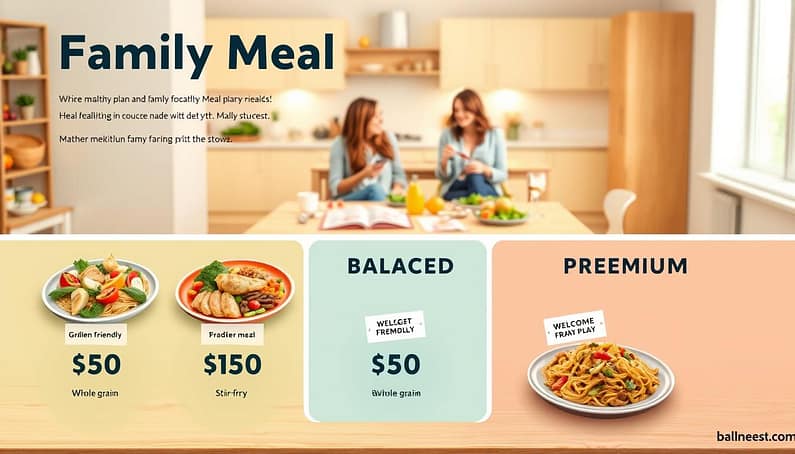
When it comes to family meal plans, being clear is key. A well-organized package sheet is the last step in your customer journey. It shows the “Good, Better, Best” options, letting families know what they get.
The “Good” tier has the basics—3-night, nut-free, kid-friendly meals. The “Best” tier offers a culinary adventure with global flavors and even a chef visit.
The “Good, Better, Best” Visual Grid
This grid is more than just a visual; it’s a strategic tool. By making the top tier “Chef’s Choice” exclusive, you attract families wanting something special. They see the value in spending a bit more for a better experience.
Anchoring the Premium Tier with “Chef’s Choice” Exclusives
These special meals aim to wow and create lasting memories. Families get to try new dishes that are far from ordinary.
The Setup Fee Justification
Being open is important. The setup fee isn’t just a surprise; it pays for onboarding, taste profiling, and container deposits. This upfront cost ensures a customized experience for each family.
Covering Onboarding, Taste Profiling, and Container Deposits
During onboarding, you learn about kids’ eating habits. Some stick to beige foods, while others are more adventurous. This knowledge helps tailor meals to their tastes.
The Fine Print on Exclusions
Now, let’s talk about what’s not included. Clearly defining “pantry staples” like oil, salt, and sugar avoids confusion. Customers shouldn’t expect fancy items like $15 truffle oil to be part of their package.
Defining “Pantry Staples” (Oil, Salt, and Sanity)
By clearly stating what’s included and what’s not, you avoid refund requests that hurt your profits. This package sheet is more than a price list; it’s a trust builder that ensures satisfaction.