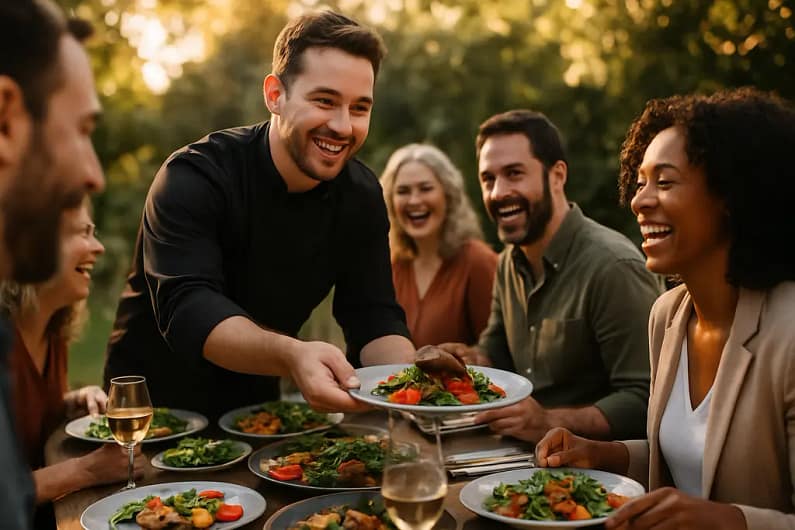
For personal chefs, community pop-ups offer a practical middle ground between private in-home service and the financial risk of a permanent restaurant. They let chefs meet diners face to face, test a menu in public, gather feedback, and build a local referral base without signing a long lease or building a full dining room operation.
The pop-up format has gained clear momentum in restaurant culture. Yelp reported that between May 2023 and April 2024, pop-up shops saw a 155% increase in new restaurant concept openings in the U.S., more than any other category it tracked in that report Yelp restaurant trends. A separate 2024 trends report cited a 105% rise in new U.S. pop-up restaurant launches 2024 trends report. Those figures do not isolate personal chefs, so they should be read as signals from the broader food service market rather than as proof of growth in one service niche.
Why Community Pop-Ups Fit Personal Chef Growth
Community Pop-Ups Build Face-To-Face Demand
A private chef business often grows through trust. A diner may like the idea of hiring a chef for a birthday dinner, weekly meal prep, or a small gathering, but booking can still feel personal and high stakes. A public event lowers that barrier. Guests taste the food, watch how the chef communicates, and see how the service feels before discussing a private booking.
For personal chefs, community pop-ups also create a more social sales setting. Instead of relying only on a website, social post, or referral, the chef gets a room full of people who have already chosen to spend time around food. That makes follow-up more natural. A simple comment card, a QR code to an inquiry form, or a short conversation after service can lead to better-fit leads than broad advertising.
Small Menus Make Testing Easier
Pop-ups work best when the menu has focus. A chef might serve three courses, a tasting flight, family-style platters, or a limited set of dishes that reflect a specific cuisine or occasion. The goal is not to show every skill at once. The goal is to learn which dishes guests respond to, how long prep takes, what ingredients strain the budget, and what service style creates the strongest connection.
From a financial management view, that learning has value. A dish that looks profitable on paper may become harder to scale if it needs too much last-minute labor. A menu that seems simple may produce stronger margins because it can be prepped in batches and plated without slowing service. Pop-ups give chefs a practical way to test those tradeoffs before adding a dish to paid private menus.
Planning The Event Like A Small Business
Price The Event Before Promoting It
A strong event starts with the numbers. Before announcing a date, the chef should estimate food cost, venue or host fees, service help, disposables or rentals, payment processing, insurance needs, permits where applicable, and a reasonable profit target. If the price does not cover those items, the event may create attention while weakening cash flow.
Ticketed seating can help because the chef knows the guest count earlier. That makes purchasing more disciplined and reduces the temptation to overbuy. If walk-up sales are part of the plan, the chef still needs a clear cap so the kitchen does not run short too early or carry excess inventory after the event.
- Set a minimum number of paid seats needed to break even.
- Build the menu around ingredients that can be used across more than one dish.
- Keep a written prep schedule so paid labor hours do not drift.
- Use a short post-event review to compare projected cost with actual cost.
Choose Hosts That Match The Audience
The right host can shape the guest list. A neighborhood cafe, wine shop, gallery, market, community kitchen, or shared dining space may each attract a different crowd. The best fit is not always the most stylish room; it is the place where the chef’s likely clients already gather.
That makes partnership choices a marketing decision and a financial decision. A host with a smaller but aligned audience may produce better future bookings than a larger space filled with diners who are not likely to hire a private chef. For chefs studying how local food businesses present themselves, visiting Hudson Street Cafe can serve as a related dining reference in the same network.
Building Trust Before And After The Service
Use The Event To Answer Booking Questions
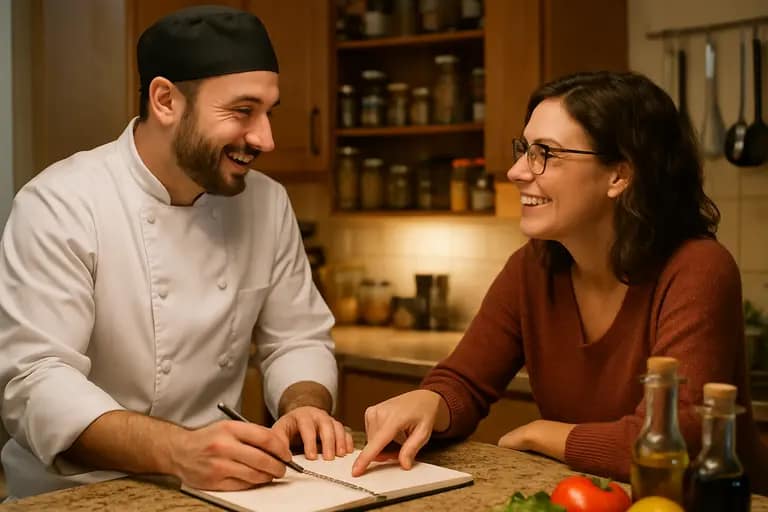
Many diners do not know how a personal chef service works. They may wonder whether the chef brings ingredients, cleans the kitchen, serves plated courses, handles dietary requests, or offers weekly meal preparation. A pop-up is a useful place to answer those questions without turning the meal into a sales pitch.
A short printed card or follow-up email can explain service options, starting package types, inquiry steps, and ideal lead time. The tone should stay helpful. Diners came for a meal, not a hard sell. Clear information builds confidence and reduces back-and-forth later.
Connect Pop-Ups With Social Proof
Because food events are visual and local, they can support a chef’s social presence when handled with care. Photos of plated dishes, prep moments, or the room setup can remind attendees of the experience and show future clients what the chef’s service style looks like. Chefs who need a practical structure for that channel can pair event planning with stronger personal chef marketing so posts lead toward inquiries rather than scattered attention.
Consent matters with guest images, and the most useful content is often not a crowded room shot. A dish photo, a table detail, or a short note about the menu concept can tell the story without putting guests on display. The aim is steady recognition, not noise.
Community Pop-Ups As A Client Pipeline
Measure More Than Attendance
Attendance matters, but it is not the only sign of success. A sold-out event can still underperform if costs run high or no one asks about future services. A smaller event can be useful if it leads to repeat clients, catering inquiries, weekly meal prep conversations, or stronger relationships with local suppliers and venue partners.
After each event, chefs should review a few numbers: seats sold, average revenue per guest, food cost, labor time, inquiries received, email signups, and bookings that came from attendees. This turns community pop-ups into a repeatable growth tool rather than a one-night promotion.
The practical value is clear: pop-ups help personal chefs become visible in their own neighborhoods while testing menus and pricing in public. With careful planning, honest cost tracking, and steady follow-up, community pop-ups can become a reliable bridge from local dining interest to paid private chef work.