
Last-minute dining demand is no longer limited to restaurant walk-ins. It is also changing how clients think about private chef services, especially for small celebrations, dinner parties, and at-home meals planned with short notice. For chefs, the opportunity is real, but it works best when booking rules, menus, staffing, and client communication are set before the inquiry arrives.
OpenTable reported that use of its “Notify Me” tool rose 84% year over year in 2025, and 49% of Americans said they wanted more opportunities for spontaneous dining in 2026, according to its 2026 dining trends report. That data points to a clear diner habit: many people still want quality meals, but they may not plan them weeks ahead. Private chefs can serve that demand if they avoid promising more than their schedule, supply chain, or prep systems can support.
Why Last-Minute Dining Demand Matters
Short-Notice Requests Reflect Real Diner Behavior
Spontaneous dining is often framed as a restaurant issue, but it affects at-home dining as well. A client who cannot find a reservation may ask whether a chef can cook at home the next day. A host may decide on Wednesday to plan a Friday dinner. A family may want a birthday meal after realizing a restaurant table for six is unavailable at the time they prefer.
For private chefs, the question is not whether every short-notice request should be accepted. The better question is which short-notice requests fit the business. A two-person dinner with a limited menu may be realistic. A multi-course tasting menu for twelve people, with rental needs and dietary requests, may need a longer lead time. Clear standards protect both the chef and the client.
Group Dining Adds Pressure To Timing
OpenTable also reported that bookings for parties of six or more rose 11% in 2025 compared with 2024, and 36% of Americans said they wanted more group or private dining in 2026. For chefs, that signals a useful sales path: group hosts may want the privacy and control of dining at home, especially when restaurant availability is limited.
Yet group meals create more moving parts. The chef has to confirm guest count, kitchen access, service style, allergies, equipment, cleanup expectations, and payment terms. Those steps are harder to manage if a client waits until the last moment. A short booking form can help. It should ask for date, time, location, number of guests, service style, dietary needs, and whether the event is seated, family-style, or buffet-style.
How private chef services Can Use Short-Notice Demand
Build A Limited Fast-Booking Menu
The safest way to accept late requests is to design a separate short-notice menu. This should not be a full creative proposal. It should include dishes that use available ingredients, familiar prep methods, and service formats that can be executed without extra staff in many homes.
A practical fast-booking menu might include three starters, three mains, two sides, and two desserts. The chef can rotate options based on the season and local suppliers, but the structure should stay simple. Clients still feel they have choices, while the chef keeps purchasing and prep realistic.
This menu should also make exclusions clear. If custom cakes, wine pairing, rentals, floral styling, or extra service staff require more notice, say so before the client pays a deposit. Honest limits build trust, especially when a client is already making decisions quickly.
Use Price Rules That Match The Work
Short-notice bookings often require faster communication, rush purchasing, schedule changes, and tighter prep windows. Pricing should reflect that extra pressure. Some chefs use a rush fee for bookings inside a set time period, such as 48 or 72 hours. Others set higher minimums for late requests.
The key is to explain the reason in plain language. A rush fee is not a penalty; it covers the added work needed to confirm the menu, shop, prep, travel, cook, serve, and clean within a shorter window. If the fee is posted on the website or inquiry form, clients are less likely to feel surprised during the proposal stage.
Operational Checks Before Accepting A Late Booking
Confirm The Kitchen Before The Menu
A common mistake is quoting the meal before confirming the worksite. Home kitchens vary widely. Some have double ovens, large counters, and enough refrigeration. Others have limited burners, crowded fridges, or restricted building access. A late booking leaves little room to solve those problems after the fact.
Before accepting, ask for basic kitchen details and, when possible, photos of the cooking area. Chefs should confirm parking, elevator access, refrigerator space, oven size, and whether pets or guests will be in the kitchen area during prep. These are not minor details; they determine whether the menu can be served on time.
Protect Supplier And Prep Time
Last-minute work can strain supplier relationships if chefs request specialty items too often with too little notice. A better approach is to create menus around ingredients that can be sourced reliably. That may mean seasonal produce, standard proteins, and pantry items the chef already uses across several service types.
Chefs can also keep a short list of approved substitutions. If one fish, green, or dessert component is unavailable, the chef can offer a comparable option without rebuilding the entire menu. This makes the booking feel steady rather than improvised.
- Set a latest possible booking time for each service size.
- Require a deposit before shopping or prep begins.
- Use one short menu for requests inside the rush window.
- Confirm kitchen access before sending the final invoice.
- Keep substitutions written into the proposal.
Experience Still Matters For Late Bookings
Clients Want More Than Availability
OpenTable reported that experiential dining rose 46% year over year in 2025, with 34% more restaurants offering pop-ups, chef’s tables, and collaborations. It also reported that nearly 48% of Americans were more likely to book restaurants offering unique experiences, according to its trend announcement. For a private chef, that means availability alone is not enough. The meal still needs a point of view.
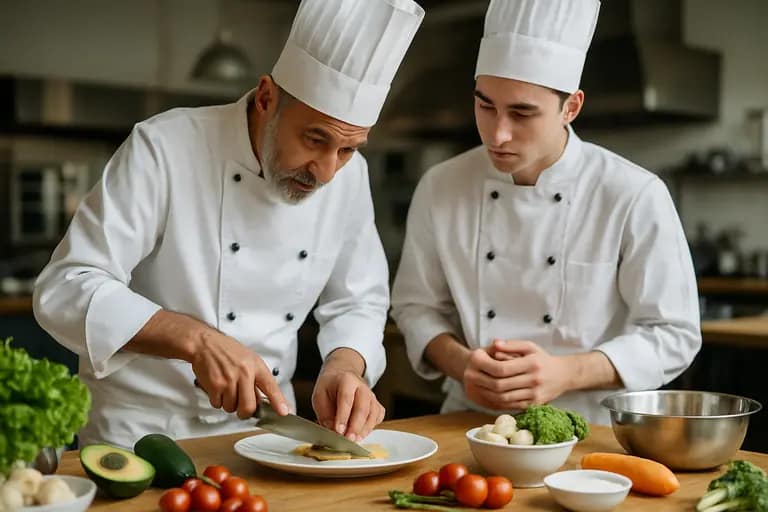
A last-minute dinner can feel special without becoming complicated. A chef might offer a pasta night with two sauces, a seafood supper built around one main dish, or a small chef’s-counter format where guests see finishing touches before plating. The experience should be easy to understand and practical to execute.
Use Restaurant Habits As A Reference Point
Restaurant diners are used to checking reservation pages, menu notes, cancellation terms, and service details before committing. Personal chefs can borrow that clarity. Chefs can also study restaurant-side presentation from related dining sites such as De Novo Montclair while keeping their own offers specific to in-home service.
For more booking context, this related piece on private chef demand looks at regional signals and client expectations. The main lesson is consistent: clients move faster when the offer is clear, but chefs still need filters to protect quality.
Client Screening For Short-Notice Service
Ask Better Questions Before Saying Yes
Short-notice inquiries can be flattering, especially when the calendar has open space. Still, every booking should be screened. A rushed client who avoids details may create more stress than revenue. A prepared client who answers quickly may be an ideal fit.
Strong screening questions include: What is the occasion? How many guests are confirmed? Are there allergies or dietary restrictions? What time should food be served? Is the kitchen available two to three hours before the meal? Who is the decision-maker for menu approval and payment? These questions help the chef identify whether the request is workable.
Set Communication Cutoffs
Late bookings need firm communication deadlines. If a client books for Saturday, the menu and guest count cannot remain open until Saturday morning. Chefs should set a cutoff for menu approval, final headcount, and payment. If those deadlines pass, the chef should be able to adjust the menu or decline the service without confusion.
This is where written terms are useful. A short agreement can outline deposit rules, cancellation terms, arrival time, kitchen expectations, staffing, and what happens if guest count changes. Clear terms make the service feel more professional, not less personal.
Last-Minute Dining Plans For private chef services
The strongest response to last-minute dining trends is not to accept every request. It is to create a service lane that fits the chef’s skills, supplier access, calendar, and preferred clients. That lane might include next-day dinners for two to four guests, limited-menu celebrations for small groups, or weekday chef-at-home experiences when restaurant reservations are tight.
For industry networking, these trends also open useful partnership conversations. Chefs can build referral relationships with event planners, concierge teams, boutique lodging operators, and restaurant professionals who hear from diners after reservations fill. Those partners need to know exactly what the chef can accept on short notice.
private chef services are well positioned for clients who want flexibility, privacy, and a meal that feels personal. The work becomes sustainable when chefs define lead times, simplify rush menus, price fairly, and screen each inquiry before committing. Last-minute demand can support growth, but only when the service model is built to handle it.