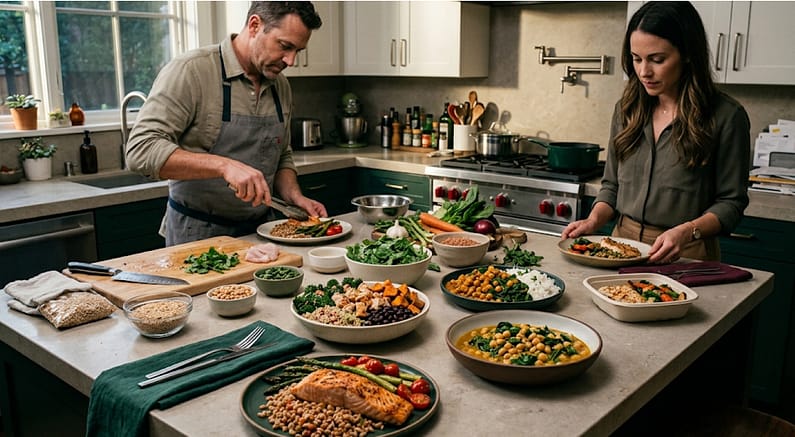
The American ready-meal market is entering a new phase in which convenience alone is no longer enough. Consumers still want food that saves time, but recent industry research shows that they increasingly expect prepared meals to deliver better nutrition, appealing flavors, satisfying textures, recognizable ingredients, and an experience that feels worth the money. As consumers also increasingly turn to online communities for recommendations and conversations about food, dining and lifestyle choices, soportsbook discussion groups illustrate how specialized digital communities can influence consumer discovery and discussion, even across seemingly unrelated industries.
A new report published October 5, 2026, by Food Business News found that 56% of consumers buy main-dish ready meals at least once a week. Weekly consumption reaches 59% among Millennials and 56% among Gen Z, while the category recorded a 4% compound annual growth rate from 2020 through 2024.
For personal chefs, the development is significant. The same forces pushing manufacturers to improve ready meals are also changing what clients can expect from private meal preparation. Convenience, nutrition and culinary quality are increasingly being considered together rather than as separate priorities.
Convenience Is Still Driving Ready-Meal Demand
Time remains one of the strongest reasons Americans choose prepared food.
According to research cited by Food Business News, 56% of consumers select ready meals for convenience, while 41% cite taste and 34% say they want something filling.
That combination explains why prepared meals continue to attract consumers who may have the ability to cook but do not always have the time, energy or planning capacity required to do it.
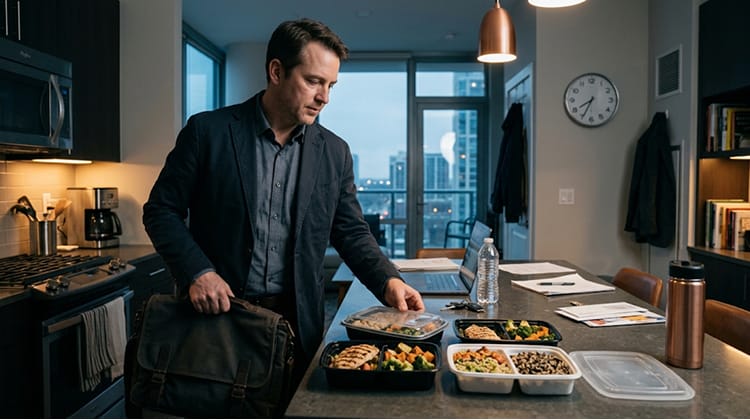
The opportunity for personal chefs is to recognize that convenience does not necessarily mean giving clients a mass-produced meal. A chef can provide convenience while retaining control over ingredients, preparation methods, portion sizes and flavor.
That distinction becomes particularly valuable for clients who want several meals prepared at once. Instead of spending an evening shopping, cooking and cleaning, a client can receive a customized menu prepared in their own kitchen or through an established meal-preparation service.
Recent developments in the retail sector reinforce the demand. On September 22, 2026, Food Business News reported that Aldi was expanding into refrigerated prepared meals, with single-serve products priced at $8 and family-size meals at $15. The retailer said the products were being developed around busy consumers who wanted quality without stretching their budgets.
The products include options such as beef Bolognese spaghetti, beef brisket with macaroni and cheese, butter chicken and rice, chicken burrito bowls and chicken fettuccine Alfredo. Aldi said select markets would receive the products in October, with nationwide availability planned for January 2027.
The retail expansion shows how mainstream the prepared-meal category has become. For personal chefs, it also raises the standard: if consumers can buy convenient prepared food almost anywhere, private culinary services need to offer a meaningful reason to choose chef-prepared meals instead.
Nutrition Is Becoming Part of the Convenience Equation
One of the biggest changes in ready meals is the growing emphasis on nutrient density.
The latest reporting from the Institute of Food Technologists, published October 11, 2026, found that consumers increasingly want foods that provide protein, fiber, vitamins, minerals and other functional benefits while still delivering good taste, texture, convenience and value.
That creates a more sophisticated definition of a healthy meal.
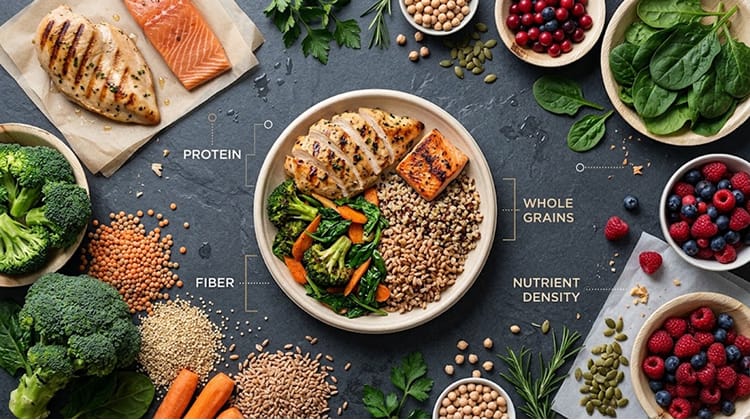
Instead of simply removing calories, fat or sugar, food companies are looking at what positive nutritional value they can add. Protein, fiber, whole grains, vegetables and nutrient-rich ingredients are becoming more prominent parts of product development.
This shift is directly relevant to personal chefs.
A chef preparing meals for a client can build nutrition into the menu from the beginning. Lean proteins, seafood, legumes, vegetables, whole grains, fruits, nuts and seeds can be selected according to the client’s preferences and dietary goals without turning the menu into a restrictive collection of “health foods.”
The distinction matters because consumers still expect enjoyment.
IFT’s October report specifically emphasized that greater nutritional density cannot come at the expense of taste, texture or overall satisfaction.
For personal chefs, that principle is familiar. A nutritious meal that clients do not enjoy will not create a successful long-term service relationship.
The better approach is to make nutrition part of the culinary experience.
Protein and Fiber Are Becoming More Important
Protein is particularly prominent in current food-industry development.
Recent reporting from Food Business News notes that consumer perceptions of meat and poultry have shifted, with protein increasingly viewed as an important component of a healthy diet. Anne-Marie Roerink of 210 Analytics described a change in which meat has moved from being viewed primarily as something to limit toward being recognized for its role as a source of complete protein.
At the same time, fiber continues to attract attention as consumers look for foods that provide more nutritional value per serving.
Whole grains are another example. An October 8 report from Food Business News cited research from Ardent Mills showing that 87% of consumers believe whole grains contribute positively to a product’s nutritional profile, while 86% view whole grains as healthier or better-for-you ingredients and 82% like seeing them on food labels.
These figures provide useful guidance for chefs developing meal-preparation menus.
A weekly menu might incorporate salmon with farro and roasted vegetables, chicken with quinoa and seasonal greens, lentil bowls with whole grains, or a vegetable-forward pasta using whole-grain noodles. The point is not to make every meal identical from a nutritional standpoint. It is to create variety while making each meal purposeful.
Smaller Portions Can Still Deliver More Nutrition
Another important development involves portion size.
The Institute of Food Technologists reported that changing consumer needs, including the influence of GLP-1 medications, are increasing interest in meals that provide meaningful nutrition in smaller portions. Protein, fiber and balanced carbohydrates become especially relevant when consumers are eating less overall.
The trend has implications beyond medication use.
Some clients simply prefer smaller meals. Others may live alone, work long hours or want portions that reduce food waste. A personal chef can respond more precisely than a standardized retail product because portions can be adjusted according to household size and individual preferences.
This is particularly relevant as single-person households represent a significant consumer segment. At Groceryshop in Las Vegas, Hormel Foods executive Lisa Selk noted that roughly 30% of U.S. households consist of a single person, creating an opportunity for smaller formats that better match consumption patterns and reduce waste.
Personal chefs can use this trend to rethink traditional meal packages.
A client living alone does not necessarily need five large dinners. They may prefer smaller portions across several different dishes, allowing them to enjoy variety without accumulating excess food.
Premium Does Not Always Mean Expensive
The word “premium” can create the impression that consumers are simply looking for luxury ingredients. Current evidence suggests something more nuanced.
At Groceryshop, executives from Target, Chobani and Hormel Foods discussed a consumer environment where nutrition and value increasingly have to coexist with enjoyment and discovery. Target’s John Conlin described the concept as “accessible wellness,” emphasizing food that tastes good, remains approachable and provides a worthwhile experience.
This is important for personal-chef businesses because premium service is not necessarily about using the most expensive ingredient available.
A premium meal can be created through careful sourcing, proper cooking techniques, thoughtful seasoning, attractive presentation and personalization.
A roasted seasonal vegetable prepared correctly can contribute more to the perceived quality of a meal than an expensive ingredient that has been poorly handled. Likewise, a familiar chicken dish can feel highly customized when the chef adapts the sauce, vegetables and portion size to the client’s preferences.
The value comes from the complete experience.
Global Flavors Are Making Convenient Meals More Interesting
Convenience is also becoming an avenue for culinary discovery.
Food Business News reported that ready-meal innovation is increasingly incorporating Middle Eastern meals, Sichuan-style noodles, Indian biryani, Mexican-inspired bowls, premium seafood and other globally influenced dishes.
That trend creates an opening for personal chefs to introduce clients to dishes they might not prepare themselves.
A chef can take a familiar format and give it a different culinary identity. A grain bowl can incorporate Moroccan spices and roasted vegetables. Chicken can become the foundation for a Thai-inspired meal. A standard pasta dinner can incorporate regional Italian ingredients and techniques.
The advantage of private cooking is that these ideas can be customized.
A client who loves spice can receive a stronger version. Someone unfamiliar with a particular cuisine can receive a more approachable interpretation. Dietary restrictions can be addressed without removing the character of the dish.
This kind of personalization gives personal chefs an advantage over standardized ready meals.
What Ready Meals Can Teach Personal Chefs
The current ready-meal market offers several useful lessons for personal-chef businesses.
First, convenience should remain central. Clients are often paying for the time they recover as much as the food itself.
Second, nutrition should be visible through the menu rather than treated as an afterthought. Protein, fiber, vegetables, whole grains and balanced portions can be incorporated naturally into the dishes.
Third, taste still matters. The latest industry research repeatedly shows that consumers do not want to trade enjoyment for nutrition.
Finally, variety creates value. Global flavors, seasonal ingredients and restaurant-inspired dishes can keep recurring meal-preparation services from becoming repetitive.
For chefs building or refining their businesses, these principles can also improve menu conversations with clients. Rather than asking only what someone wants to eat, a chef can ask how often they want meals prepared, what portion sizes work best, which ingredients they enjoy, how much variety they want and what nutritional priorities matter to them.
That turns meal preparation into a more personalized service.
The Personal Chef Opportunity Is Bigger Than Ready Meals
The growth of ready meals does not necessarily represent competition for personal chefs. In many respects, it validates the underlying demand for convenient food.
Consumers have already demonstrated that they value meals that reduce preparation time. What is changing is the level of quality they expect in exchange.
The latest U.S. food-industry research points toward a consumer who wants several things simultaneously: convenience, nutrition, flavor, value and enjoyment. The ready-meal industry is responding by investing in products that can deliver more of those characteristics in a single package.
Personal chefs can go one step further.
They can combine convenience with customization, nutrition with culinary technique, and premium ingredients with a client’s actual preferences. They can prepare food for one person or an entire household, adjust portions, rotate cuisines and build menus around changing needs.
The lesson from the current ready-meal market is therefore straightforward: convenience has become the starting point, not the finish line.
For personal chefs, that creates a clear opportunity to position professionally prepared meals as more than an alternative to cooking. The strongest services can make convenience feel personal, nutrition feel enjoyable and everyday meals feel genuinely chef-created.