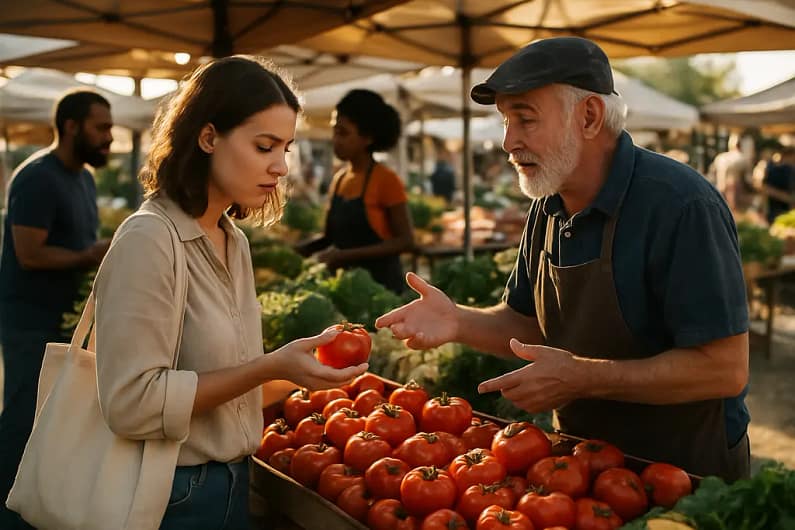
Seasonal sourcing can make a chef’s menu feel more connected to the moment, but it also changes how prices are quoted, explained, and protected. For personal chefs and small dining operators, the trade-off is not simply “local costs more” or “in season costs less.” The real issue is timing, volume, substitutions, and whether clients understand why a dish may change between the first inquiry and the service date.
As a booking consultant, I look at sourcing choices as part of the sales conversation. A chef may have strong farm relationships and still lose money if the proposal promises fixed ingredients too early. A client may value small-farm produce and still hesitate if the price feels unclear. The goal is to connect the sourcing story to a practical pricing structure that protects both sides.
Why Seasonal Sourcing Changes Price Math
Seasonal Sourcing Questions Before You Quote
The first step is to separate seasonal sourcing from a vague promise of freshness. Before sending a price, a chef should ask which ingredients are central to the client’s expectations and which can move with the market. Tomatoes, berries, greens, mushrooms, eggs, pork, and beef do not behave the same way in a budget. Some are flexible accents. Others anchor the perceived value of the menu.
Produce-heavy menus can benefit during local peak harvest periods because farms may have more volume available and shorter storage needs. That advantage can fade quickly once the same item is out of peak supply. In June 2026, the Associated Press reported that tomato prices had risen by about 40% over the prior year, making tomatoes one visible example of food affordability pressure for households and food businesses alike AP tomato report.
For chefs, the practical lesson is simple: do not price a tomato-forward dinner the same way in every month unless the proposal includes a substitution rule. A summer tomato salad can become a roasted squash, preserved pepper, or citrus-based starter at another point in the year, but the client needs to know that before approving the menu.
Peak Savings Can Create Planning Pressure
Local peak-season buying can reduce some costs, but it asks more from the chef’s booking system. Menus may need shorter approval windows. Shopping lists may need two versions. Assistants or prep cooks may need quick updates if a farm harvest changes. That does not make the model weak; it means the chef has to price the planning work, not only the ingredients.
A useful approach is to quote dishes by category rather than locking every farm item too early. For example, “seasonal vegetable tart with local cheese” gives more room than “asparagus tart” if the event date is several weeks away. The client still gets a clear dish style, while the chef keeps enough flexibility to buy what is best and reasonably priced near the service date.
Where Small-Farm Partnerships Add Value
Provenance Has To Be Priced, Not Assumed
Small-farm partnerships can help a chef stand apart, especially for clients who care about where food comes from. The value may show up in flavor, freshness, producer relationships, and a menu story that feels personal rather than generic. Still, provenance does not pay the invoice unless it is built into the quote.
Chefs sometimes undercharge because they treat the farm relationship as a marketing benefit instead of a cost center. Picking up products from multiple farms, confirming availability, washing and sorting smaller lots, and changing prep plans all take time. If the menu price only reflects the ingredient invoice, the chef may be donating labor without realizing it.
This is where client language matters. Rather than saying, “I use local farms whenever possible,” a stronger booking phrase is: “This menu includes small-farm ingredients where availability and budget allow, with seasonal substitutions confirmed before shopping.” That sentence sets a service standard and keeps the chef from absorbing every surprise.
Reliability Is Part Of The Price
Small farms may offer excellent products, but they may not be able to match the scale or consistency of large distributors. Weather, labor, crop timing, and delivery capacity can all affect what arrives. The chef’s backup plan should be part of the pricing conversation, especially for weddings, corporate dinners, and high-stakes private events.
A practical proposal can include three sourcing tiers: preferred farm source, approved local backup, and distributor backup if needed. This does not weaken the farm-first message. It shows the client that the chef is prepared. For more help framing nearby sourcing as part of the booking process, chefs can study local ingredient marketing as a client communication tool.
How To Build The Pricing Conversation
Use Price Bands Instead Of Fixed Promises
For private dining, a price band often works better than a single number when the menu depends on small farms. A chef might quote a per-person range for a proposed menu and explain what would move the final price higher or lower. Premium proteins, out-of-season produce, special delivery needs, and last-minute guest count changes are common drivers.
The key is to avoid surprising the client after they feel emotionally attached to a menu. If a dish depends on a volatile item, say so early. Clients usually respond better to a clear trade-off than to a late increase. A chef can phrase it this way: “If local tomatoes are strong and fairly priced that week, I will use them. If not, I will suggest a seasonal substitute before final shopping.”
- Ask whether the client values a specific ingredient or the style of the dish.
- Set a deadline for final menu approval before shopping begins.
- Name which ingredients may change based on farm availability.
- Explain whether delivery, pickup, or special ordering affects the fee.
- Keep one backup dish ready for each course that depends on a high-risk item.
This structure supports trust. It also prevents the chef from turning every market swing into a margin loss. Readers comparing everyday cafe and dining decisions can find related food-service context at the Hudson Street Cafe, a related site in the same network.
Menu Design Trade-Offs Chefs Should Weigh
Portion, Protein, And Substitute Rules
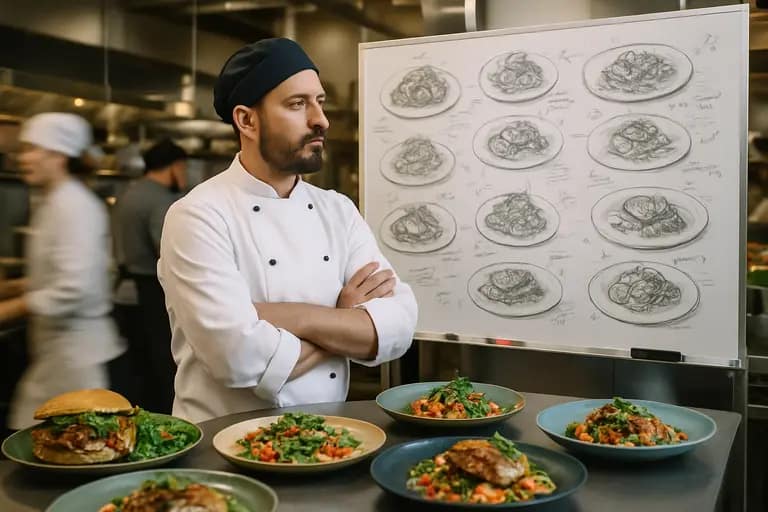
Menu pricing pressure is not limited to produce. Proteins can carry a larger cost impact, and small-farm meat may come with higher base prices, limited cuts, or whole-animal purchasing expectations. A chef who wants to feature local pork, beef, or poultry should decide whether the menu needs a smaller portion, a different cut, or a higher per-person price.
Public company filings show that even large restaurant operators use measured price changes rather than unlimited increases. In a 2026 SEC filing, Texas Roadhouse reported that food and beverage costs as a percentage of sales rose from 33.4% to 35.0% in 2025, and the company said it planned a menu price increase of about 1.9% in Q2 2026 SEC annual report. A personal chef works on a different scale, but the lesson still applies: pricing changes need discipline and clear reasons.
For client dinners, that may mean using a premium farm protein as one course rather than the whole plate. It may mean building the menu around vegetables, grains, sauces, and garnishes that carry the same seasonal identity without pushing the price beyond the client’s comfort level. The chef should be honest about what the budget can support.
Marketing Value Should Match Client Priorities
Some clients book a chef because they want a farm-connected dinner. Others simply want food that tastes good, arrives on time, and fits their budget. The same sourcing story will not carry the same value for every booking. During the inquiry call, ask what matters most: local farms, dietary preferences, a certain cuisine, presentation, convenience, or price predictability.
If the client cares deeply about small farms, the chef can include producer notes, seasonal substitutions, and a higher ingredient allowance. If the client is more price-sensitive, the chef can use a mixed model: local produce where it makes sense, distributor staples where consistency matters, and clear notes on which items may change.
Seasonal Sourcing Pricing Choices For Chefs
Treat seasonal sourcing as a pricing policy, not just a shopping habit. The strongest chef proposals explain what is fixed, what may change, and how those changes affect the client’s final menu. This keeps the sourcing story honest and protects the chef’s time, margin, and reputation.
Small-farm partnerships can add real value, but only if the chef prices the extra planning, communicates substitutions early, and avoids promising ingredients before availability is confirmed. The best client experience is not built on pretending prices will stay still. It is built on giving clients a clear choice: pay for a specific ingredient when it is available, accept a smart seasonal substitute, or adjust the menu to fit the budget without weakening the meal.