
For personal chefs, local ingredient marketing is not just a seasonal talking point. It is a practical way to show clients where the meal begins, why certain dishes change with availability, and how a private dining menu can reflect the area around the table. The opportunity is real: USDA Economic Research Service data from the 2022 Census of Agriculture showed that producers sold $17.5 billion in food through direct marketing channels such as farmers markets, CSAs, direct-to-restaurant sales, and related outlets, a 25% real increase since 2017 USDA direct sales data.
That does not mean every personal chef needs to promise a fully local menu every week. Availability changes, clients have preferences, and budgets vary. The stronger approach is to make local sourcing visible, accurate, and easy to understand before a client books. A chef can use local ingredients as part of a clear service story: what is in season, which items are nearby, where substitutions may happen, and how the menu will still meet the client’s occasion.
Why Local Ingredient Marketing Fits Personal Chef Work
Clients Want A Reason Behind The Menu
Personal chef clients often pay for more than food prep. They are buying planning, convenience, and confidence. A local sourcing message can help explain why one dinner menu features late-summer tomatoes while another uses storage crops, mushrooms, grains, or preserved items. This makes the menu feel grounded instead of generic.
A chef does not need to overstate the claim. “Made with local produce when available” is safer than promising that every item is local. “This week’s greens are from a nearby farm stand” is stronger than a vague phrase like “farm fresh.” The client can understand the choice, and the chef keeps room for honest substitutions if weather, supply, or delivery timing changes.
High-End Chefs Already See Menu Value
Local sourcing has been studied in professional dining settings. In a survey of high-end chefs in Nevada, 55% believed local products added value to their menu or improved their business, while 26% were already buying local and 19% said local products did not add value. The same survey found that chefs rated local origin and freshness at 4.97 and seasonal availability at 4.32, both above price at 4.10, when weighing local ingredient choices Nevada chef survey.
For personal chefs, the lesson is useful but not absolute. The Nevada findings reflect a specific chef group and geography, so they should not be treated as a national rule. Still, they support a practical marketing point: quality, freshness, and seasonality can be part of the value clients understand, not just a cost line hidden inside the quote.
How To Build A Local Sourcing Message
Keep Local Ingredient Marketing Specific
Good local ingredient marketing starts with proof a client can picture. Rather than writing “we support local farms” on a service page and leaving it there, personal chefs can name the type of sourcing relationship without overstating it. Examples include farmers market shopping, CSA-inspired menus, seasonal produce add-ons, or occasional direct farm purchases.
The most practical wording is flexible and truthful. A chef might say, “Menus may include produce from nearby growers depending on harvest timing and client preferences.” That sentence does two things at once: it promotes local sourcing and protects the chef from promising ingredients that may not be available on the cooking date.
Chefs who want to sharpen this message can connect it to menu planning. A spring dinner might be sold as an asparagus, herb, and young greens menu if those items are locally available. A fall meal might focus on squash, apples, root vegetables, or local cheeses when suppliers can provide them. The menu becomes easier to explain because the sourcing supports the dish choices.
Make The Client Benefit Easy To See
Clients rarely book because a chef has a sourcing philosophy alone. They book because the service solves a problem: a dinner party, a weekly meal plan, a family celebration, or a small corporate gathering. Local sourcing should connect to that need.
- For dinner parties: present local ingredients as a way to create a menu with a sense of place.
- For weekly meal prep: explain how seasonal produce can add variety across recurring menus.
- For special occasions: offer one local feature dish rather than making the whole event dependent on one supplier.
- For gift meals: describe the menu as a thoughtful local dining experience at home.
That framing keeps the marketing practical. The client does not have to study agriculture channels to understand the offer. They can see how the sourcing makes the meal more personal, more seasonal, or more connected to their neighborhood.
Where To Show Local Ingredients Before Booking
Service Pages Need Clear Sourcing Language
A personal chef website should explain local sourcing before the inquiry form. A short sourcing section can answer common questions: whether local ingredients are guaranteed, whether they affect price, how far in advance menus are planned, and how substitutions are handled. This reduces confusion during sales calls and keeps the booking process calmer.
For a personal chef, local ingredient marketing works best when it sits close to booking details. Put it on private dinner pages, weekly meal service pages, and seasonal menu pages. If a chef uses a separate “about our sourcing” page, link it from the pages where clients choose services. A related resource on hyper-local sourcing gives chefs more ways to connect supplier stories with practical service details.
Photos And Captions Should Match Reality
Photos are useful, but they should not imply sourcing that did not happen. If a dish uses local strawberries, the caption can say so. If the dish is simply seasonal in style, use that wording instead. This distinction matters because trust is the main value of a personal chef relationship.
Chefs can also use short captions to explain why a menu changed. A post might say, “The planned salad shifted from tomatoes to roasted beets after market availability changed.” That kind of message sounds professional, not apologetic. It shows the chef is managing the menu rather than scrambling behind the scenes.
Restaurant and dining sites can be useful models for how to present neighborhood identity without overclaiming. De Novo Montclair is an example nearby that illustrates place-based dining presentation in a way that feels authentic and part of the same network.
How To Price And Explain Local Menu Choices
Separate The Feature From The Full Basket
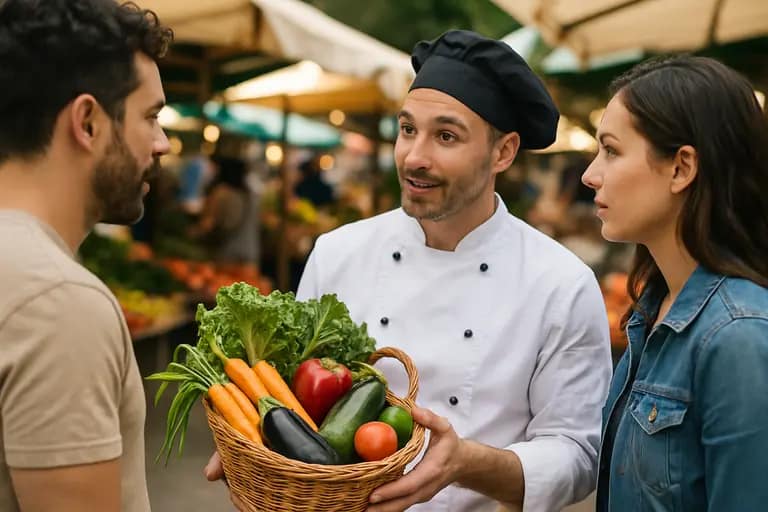
One common mistake is turning local sourcing into an all-or-nothing promise. A personal chef can offer a “local feature” instead: a salad, dessert fruit, cheese board, grain bowl component, or vegetable side built around a nearby ingredient. This gives the client a clear benefit without making the entire menu depend on one purchase channel.
This approach also helps with pricing. If a local item costs more or requires extra shopping time, the chef can show where the value appears. A proposal might list “seasonal local vegetable course” as part of the menu instead of burying the sourcing cost in a general line item. That gives clients a choice and makes the service feel more transparent.
Use Shop Local Language Carefully
The phrase “shop local” is familiar, but it can become too broad. A chef should define what it means in the service. Does it mean produce from a local farm? A neighborhood butcher? A regional flour mill? A farmers market stop? Each version has a different effect on time, cost, and menu planning.
Local ingredient marketing is strongest when the chef explains the standard in plain terms. For example: “I prioritize local produce for seasonal menus when quality, availability, and client budget align.” That is a responsible promise. It tells the client the chef values local sourcing while acknowledging the real conditions that shape a private meal.
Local Ingredient Marketing That Clients Can Trust
The most useful local ingredient marketing makes a chef easier to hire, not harder to understand. It should help clients picture the menu, ask better questions, and feel confident that the chef has a plan if the market changes.
Before publishing a local sourcing claim, personal chefs can ask three simple questions: Can I verify this supplier or channel? Can I explain what happens if the ingredient is unavailable? Can I show the client how this choice improves the meal or the service? If the answer is yes, the claim belongs in the menu copy, proposal, or service page.
Local sourcing is not a magic phrase. It is a practical service detail that can support stronger menus, clearer pricing, and better client conversations. Personal chefs who keep the message specific will be better prepared to turn “shop local” interest into bookings that feel honest from the first inquiry to the final plate.