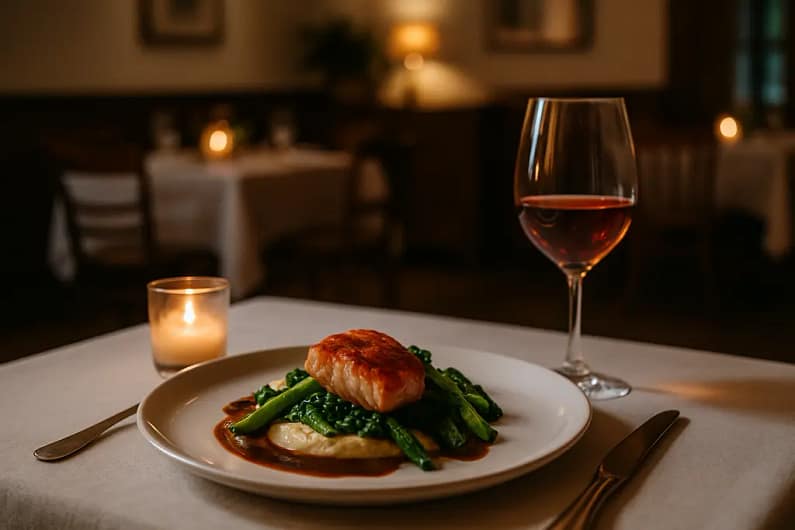
Solo dining trends are no longer a side note for personal chefs. They are now shaping how clients think about convenience, privacy, meal timing, portion size, and the value of eating well without building every meal around a group. For chefs, that shift creates a practical growth question: how do you serve one-person households and solo diners without making the service feel like a downsized version of family meal prep?
The data points to a real change in behavior. Circana reported that 50% of main meals eaten at home are now consumed alone, based on its Eating Patterns in America report published on August 31, 2026. Circana also reported that nearly 23% of full-service restaurant visits in the first quarter of 2026 were made by people dining alone Circana dining analysis. Axios, citing OpenTable data from mid-2025 through mid-2026, reported that reservations for one rose about 23% year over year Axios solo dining report.
Those figures matter for personal chef services because restaurant habits often signal what clients may want at home. A diner who is comfortable booking a table for one may also be open to a weekly chef plan, a single-person tasting menu, or a prepared-meal package that feels more personal than standard meal delivery. For chefs building revenue with repeat clients, the opportunity is not just cooking for fewer people. It is designing an offer that respects how solo clients actually eat.
What Solo Dining Trends Mean For Service Design
Solo Dining Trends And Portion Planning
Portion planning is the first place chefs should adjust. A solo client rarely wants the same tray-based format used for a family of four. They may want four distinct dinners, two lunches, and one freezer-friendly backup meal. They may also prefer smaller portions that keep variety high and waste low.
From a financial management view, this changes costing. Labor does not fall in a straight line just because the guest count is one. Menu planning, shopping, cooking, packaging, labeling, and cleanup still take time. Chefs should price around the full service process rather than only the food quantity. If the client wants variety, the quote should reflect the prep time needed to make that variety possible.
A practical service design might include a minimum weekly fee, then add-ons for premium ingredients, extra menu variety, delivery distance, or special scheduling needs. This keeps the offer clear without making solo clients feel penalized for living alone or eating independently.
Meal Timing And Client Expectations
Solo meals often happen around work schedules, errands, fitness routines, caregiving, or quiet personal time. That means chefs should ask more detailed timing questions before proposing a plan. Does the client need lunches packed for quick reheating? Do they want dinners that feel plated and relaxed? Are they looking for weekend cooking support, weekday fridge stocking, or occasional private dinners for one?
The answers shape the menu format. A chef might prepare composed single-serving meals, modular ingredients that can be combined in different ways, or a mix of fresh and freezer-ready dishes. The key is to avoid assuming that solo clients want less service. Many want more control, clearer choices, and less daily decision fatigue.
Pricing Personal Chef Offers Around Solo Dining Trends
For chefs, solo dining trends should lead to clearer pricing language. A one-person service can look expensive if the quote is compared only against groceries. It makes more sense to explain what the client is buying: planning, shopping, cooking skill, time savings, cleanup, menu variety, and a service built around their routine.
One strong approach is to present three service levels. A basic plan could cover a limited number of weekly meals with a concise menu. A mid-level plan could add more variety and flexible packaging. A premium plan could include a plated dinner service, pantry support, or extra consultation time. This structure helps clients see options without turning every inquiry into a custom spreadsheet.
Chefs can also protect margins by setting production rules. For example, a solo plan may include a fixed number of menu selections per cook date. Extra dishes can be priced separately. This keeps the chef from creating six unrelated recipes for one client at a rate that cannot support the business.
For more service-specific planning, chefs can compare these ideas with solo dining service shifts and consider how the same demand shows up in consultations, packages, and private dining. Operators watching restaurant habits can also compare dining culture cues through De Novo Montclair, offering insights from a related site in the same network.
Marketing To Clients Who Eat Alone
Speak To Independence, Not Isolation
Marketing language matters. Solo clients may not see themselves as needing help; they may see themselves as busy, selective, independent, and willing to pay for a better home dining rhythm. Copy that frames solo service as a fix for loneliness can feel off-putting. Copy that frames it as a calm, personal, well-organized way to eat at home is stronger.
Instead of saying, “meals for people who live alone,” chefs might say, “weekly chef-prepared meals for your schedule,” or “private dining for one without the restaurant wait.” The difference is subtle, but it changes the emotional tone. The service becomes aspirational and practical, not corrective.
Use Photos That Match Real Use
Personal chef marketing often shows large tables, party platters, and celebration dinners. Those images still have value, but they do not always speak to the solo client. A balanced portfolio should include single place settings, neatly packed meals, small-batch sauces, organized refrigerator layouts, and one-person plated dinners.
From a marketing standpoint, the goal is to help the client picture the service in their own kitchen. Show the ease of opening the refrigerator and seeing meals ready for the next few days. Show a dinner that feels thoughtful without being formal. Show variety without making the plan look wasteful or overly complicated.
Questions Chefs Should Ask Before Booking

A strong intake process helps chefs avoid mismatched expectations. Solo clients may have very specific preferences about texture, leftovers, reheating, storage containers, and how many times they want to repeat a dish. These details can decide whether the client renews.
- How many meals do you want prepared for a typical week?
- Do you prefer fully assembled meals or mix-and-match components?
- Which meals need to be quick, and which can feel more like a sit-down dinner?
- How much menu variety do you expect from one cook date?
- Do you want fresh-only meals, freezer options, or both?
- Are there ingredients, cuisines, or preparation styles you want to avoid?
These questions also support better pricing. A client who wants ten simple repeatable meals has a different cost profile from a client who wants six distinct dishes with separate sauces and sides. Clear intake protects the chef’s time and gives the client a more accurate proposal.
Client Fit For Solo Dining Trends
The growth of solo eating does not mean every personal chef should rebuild the entire business around one-person service. Some chefs are best positioned for families, events, or multi-person households. Still, the data suggests solo clients deserve a defined place in the service mix, especially for chefs who want steadier weekly bookings.
The best fit may be professionals with demanding schedules, adults who travel often, people who enjoy restaurant-quality meals at home, or clients who want more variety than standard prepared-food options provide. For these clients, the value is not simply that someone cooked. It is that the service fits how they live.
Chefs who adapt well will be clear about minimums, honest about pricing, and specific about what a solo plan includes. They will avoid treating one-person dining as a smaller family plan. Instead, they will build a service with its own menu logic, packaging standards, schedule, and marketing message. That is where solo demand can become repeat business rather than a one-time inquiry.