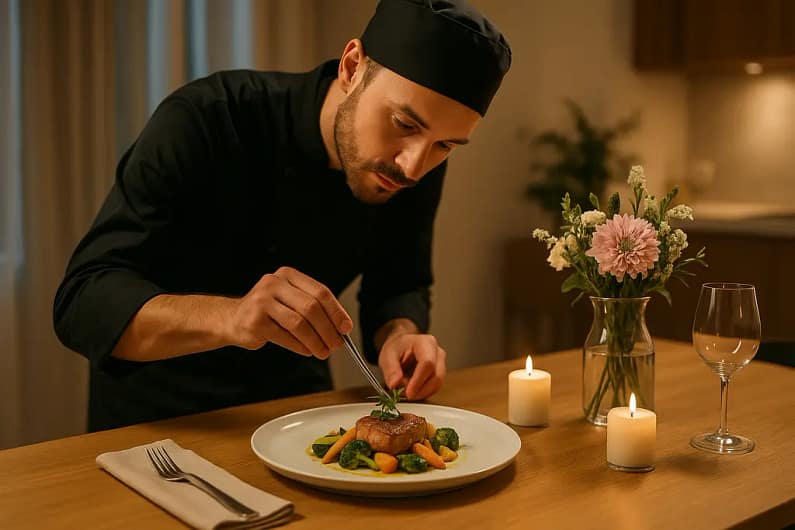
Solo dining trends are giving personal chefs a useful signal: more diners are comfortable spending money on meals designed around one person, one schedule, and one set of preferences. OpenTable reported a 23% rise in solo dining reservations over the past year, the largest increase among party sizes, according to The Washington Post. That restaurant behavior does not automatically prove equal growth in home chef bookings, but it does show a shift in how people think about eating alone.
For personal chef businesses, the opportunity is not simply selling a smaller dinner party. A one-person booking often has a different emotional and practical purpose. The client may want a quiet weekday reset, a restaurant-style meal without leaving home, a cooking lesson, or several prepared meals that still feel personal. The research supplied for the personal chef market points to increased interest in personalized at-home dining, but public market figures were not provided, so chef operators should treat that as a local demand question to test rather than a national certainty.
What Solo Dining Trends Signal For Personal Chefs
The strongest signal for chef operators is cultural. The Guardian reported that Gen Z and millennials are helping normalize eating alone, with OpenTable data showing solo dining up 14% year-on-year in the UK, and the story framed the habit partly as self-care and personal choice through The Guardian’s restaurant coverage. That matters because stigma has always affected food spending. If eating alone feels normal, clients may be more willing to book services that are not tied to birthdays, anniversaries, or group entertaining.
Solo Dining Trends And The Single-Client Brief
A single-client brief should not be treated as a reduced version of a couples menu. The chef needs to learn whether the client wants conversation, instruction, quiet service, or drop-off meals with minimal contact. Those choices affect labor time, food cost, scheduling, and the way the offer should be described on a website or booking page.
For operators, solo dining trends create room for clear service formats: a one-person tasting menu, a cook-along session, a stocked-fridge appointment, or a private dinner with leftovers packaged for the next day. Each version carries a different cost structure. A cook-along may require more explanation and cleanup time. A prepared-meal visit may depend more on batch planning and packaging. A plated dinner may need higher service time even if ingredient volume is modest.
From Restaurant Table To Home Table
Restaurant solo dining can teach chefs how clients think about control. A diner booking a table for one chooses the time, pace, and mood of the meal. At home, those expectations can become even more specific. The client may expect the chef to work within a compact kitchen, respect a quiet evening, or build a menu around favorite ingredients rather than a chef’s standard dinner party format.
That shift should influence intake forms. Instead of asking only about cuisine, allergies, and dates, chefs can ask: “Do you prefer interactive service or a quiet service style?” “Would you like leftovers planned?” “Is the goal relaxation, skill-building, or convenience?” These questions help turn a vague inquiry into a billable scope.
Client Expectations That Change The Offer
Single diners may still want the polish of a restaurant meal, but they usually expect less friction. That does not mean chefs should accept open-ended requests. It means the offer should be simple to understand before the client makes contact.
Flexible Scheduling Without Giving Away Margin
Flexibility is attractive to solo clients, especially those booking around work, travel, or personal routines. Still, flexibility has a cost. If a chef leaves a prime Saturday night open for one person, the booking must cover the lost opportunity to serve a group. A practical pricing model can protect the business by setting minimums for high-demand times and offering lower-friction solo services on weekdays.
For example, a chef could offer a weekday solo dinner window, a monthly prepared-meal visit, and a premium weekend private table for one. Each option should state what is included: consultation length, number of courses or dishes, shopping time, service time, cleanup, packaging, and travel range. This keeps the client experience warm while keeping the financial model clear.
Personal Menus Without Unlimited Revisions
Personalization is often the reason a client contacts a personal chef. The risk is that “personal” becomes unlimited menu development. A better structure is to include one consultation and one revision in the base price, then charge for extra planning time if the scope changes. That is not rigid; it is honest.
Chefs can also build menu paths instead of fully custom menus from scratch. A client might choose from comfort-focused, seasonal, plant-forward, or restaurant-style formats, then the chef adjusts dishes around stated preferences. This approach gives the client a sense of ownership while protecting planning hours.
Privacy, Pace, And Interaction
Solo clients may book because they want privacy. Others may book because they want company and conversation around food. The chef should not guess. Service language can state that clients may choose a quiet service style, an instructional style, or a hosted tasting style. This small detail helps avoid mismatched expectations.
It also improves marketing. Instead of promoting only luxury, chefs can market comfort, control, and ease. Related food and dining coverage at Hudson Street Cafe offers valuable insights for chefs considering how dining habits impact expectations for at-home meals.
Marketing The One-Person Dining Occasion
Treat solo dining trends as a positioning cue, not a reason to discount. A one-person meal still requires menu planning, shopping, travel, setup, cooking, service, and cleanup. The value is not the number of plates; it is the quality of the experience and the time the client gets back.
Position It As A Planned Purchase
Good marketing gives the client a reason to book before a special occasion appears. Phrases such as “weekday reset dinner,” “private cooking session for one,” or “stocked-fridge chef visit” are clearer than broad claims about luxury. They also help the client picture the use case.
Personal chefs can connect this shift with wider household dining habits. If clients are placing more value on convenience and control, operators may find useful service-planning ideas in this piece on how dining priorities are changing for personal chefs.
Show Clear Packages And Boundaries
A solo client should be able to compare options quickly. A booking page can separate prepared meals, live cooking, and special-occasion service. Each package should answer the practical questions: how long the chef is in the home, how food is served, whether groceries are included, whether leftovers are packaged, and how menu approval works.
Photos and descriptions should avoid implying that every solo booking is a formal tasting menu. Some clients want quiet comfort food. Others want a lesson. Others want a restaurant-style plate without the public setting. Showing a range of formats helps clients self-select, which reduces sales calls that never turn into bookings.
Financial Choices For Chef Operators
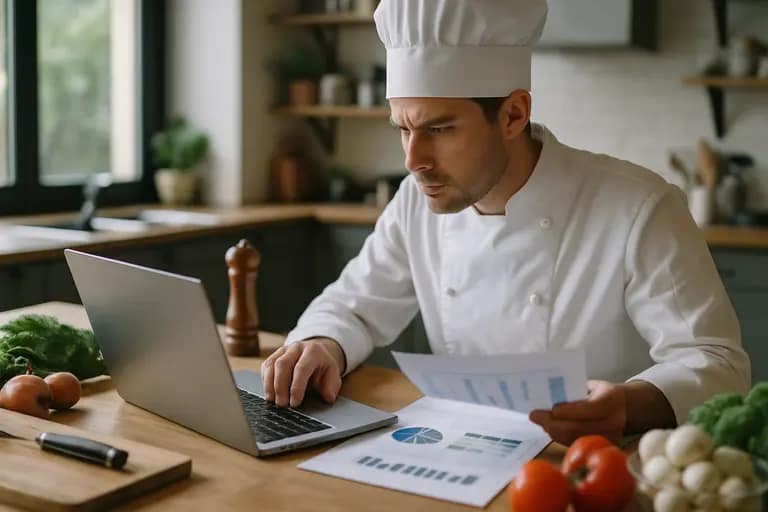
Because solo dining trends center on individual choice, they can tempt chefs into too much customization at too low a price. The safer path is to separate creative hospitality from uncontrolled labor.
Price For Prep, Travel, And Admin
A single-client dinner can be profitable if the fee reflects the full job. Ingredient cost may be lower than a group event, but planning and travel may be similar. The chef still has to consult, shop, prep, cook, clean, and handle billing. If those hours are not included in the rate, the service can feel busy while producing weak margins.
Operators should track time by task for the first few solo bookings. Note consultation minutes, shopping time, kitchen time, cleanup, packaging, and follow-up. After several bookings, the chef can see whether the package works financially or needs a higher minimum, a tighter menu format, or a limited service radius.
Measure Demand Before Expanding
The research supplied suggests interest in premium personal chef services among people who enjoy eating alone, but it does not include verified industry-wide revenue or booking data. A chef should test demand locally before hiring staff or buying equipment. A simple test might include one landing page, two package options, and a limited number of weekday booking slots.
If inquiries are steady, the next question is capacity. Chefs considering a move from solo operator to a broader service model can compare staffing, systems, and margins with this practical look at scaling a personal chef business.
Solo Dining Trends And Practical Next Steps
Personal chef operators do not need to rebuild their whole business around one-person dining. A better first move is to add one clear offer that matches the client behavior shown in restaurant dining: comfort with eating alone, interest in personal choice, and a desire for meals that feel intentional.
Start with a defined solo package, not a vague custom quote. Set a minimum fee. Include one consultation and one menu revision. Offer clear choices for service style, such as quiet dinner, interactive cooking, or prepared meals. Track time and profit after each booking. If clients respond well, expand slowly into weekday subscriptions, private lessons, or premium single-seat tasting dinners.
The market signal is real enough to watch, but not specific enough to support careless expansion. The chefs who benefit most will be the ones who translate a cultural shift into clean offers, clear pricing, and client expectations that are set before the first grocery run.