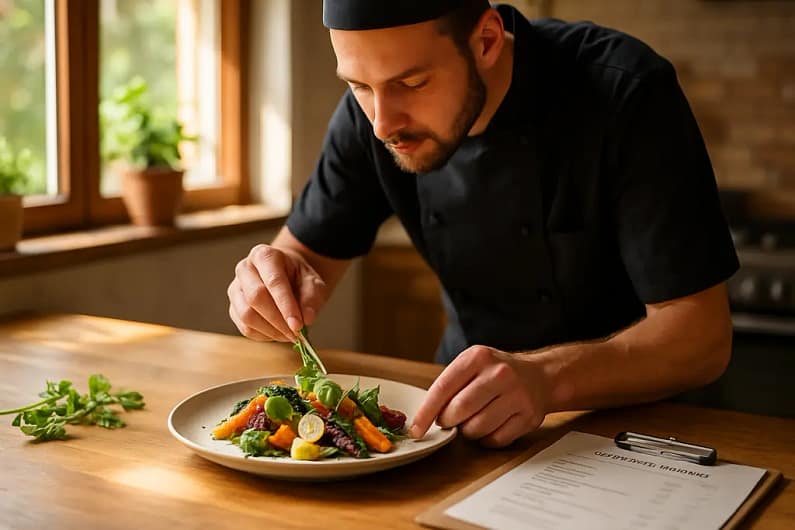
Seasonal menus are shaping how personal chefs sell, plan, and manage fall service in 2026. For clients, the shift shows up as more timely ingredients, shorter offer windows, and menus that feel connected to the weather, weekend plans, and family routines. For chefs, the business value is just as practical: a clear fall menu gives clients something specific to book, while still leaving room for household preferences and budget needs.
Fall remains the strongest season signal in U.S. foodservice offerings, but it is not standing still. Tastewise reported that autumn made up about 20% of seasonal-set offerings in 2026, down 8.6% from the prior year, while pumpkin spice accounted for only 0.7% of current menus and fell 24.5% year over year within the seasonal set Tastewise seasonal food insights. That matters for personal chefs because clients may still enjoy fall comfort, but many are no longer asking for the same predictable flavor cues.
Why Seasonal Menus Matter For Personal Chefs
Fall Demand Has Changed
Seasonal menus give personal chefs a practical structure for sales conversations. Instead of asking a client, “What do you want for dinner?” the chef can present a short set of fall directions: apple-forward brunch, mushroom and root vegetable dinners, braised proteins, maple-accented desserts, or a cooler-weather family meal plan. This reduces decision fatigue for the client and helps the chef quote the job with fewer unknowns.
The research also points to a broader market signal. As of July 2026, Tastewise tracked more than 101,680 restaurants featuring seasonal dishes and 406,140 distinct seasonal dish entries. Personal chefs do not need to copy restaurant menus, but they should understand that clients see seasonal choices in cafes, fast-casual settings, full-service restaurants, and specialty food spaces. A private chef offer that ignores those cues can feel less current, even if the cooking is strong.
Pumpkin Spice Is Not The Whole Story
The decline in pumpkin spice menu presence does not mean fall flavors are weak. It means the fall story is widening. Apples, sweet spices, nuts, herbs and spices, pumpkin, braised meats, mushrooms, root vegetables, ginger, and maple were among the notable 2026 fall menu items identified in the research. For a personal chef, that list can become a planning board rather than a fixed recipe set.
One client may want a casual Sunday supper built around braised meat and roasted roots. Another may prefer a plant-forward dinner where mushrooms, nuts, herbs, and apples carry the meal. A third may want a dessert table that uses maple and ginger without turning the whole event into a pumpkin theme. The chef’s job is to turn the season into options, not assumptions.
How To Turn Fall Demand Into Bookable Offers
Build Menus Around Signals, Not Slogans
Good fall marketing should be specific. “Autumn dinner available” is less useful than “four-course fall dinner with mushrooms, apples, braised meat option, and maple dessert.” Clients need enough detail to understand the experience before they inquire. At the same time, chefs should avoid locking every dish too early if ingredient availability or client preferences may shift.
Global flavor influence is another useful planning signal. Goliath Consulting noted that younger diners are more likely than older diners to respond to fall menu twists that blend comfort food with global flavors such as harissa, miso, gochujang, or cardamom fall restaurant trends. For personal chef work, that could mean a miso-maple glaze, a cardamom apple dessert, or a gochujang note in a cooler-weather dinner. The point is not to force novelty into every plate. It is to offer a fresh angle when the client wants something beyond familiar fall flavors.
Set Client Expectations Before The Shop
Before a chef shops for a private dinner or weekly service, the client should understand how seasonal planning works. Ingredient availability can change, and a chef may need to swap one apple variety, mushroom, herb, or vegetable for another. That should not feel like a problem if the booking agreement already explains the process.
A useful booking note might say: “The menu will follow the agreed flavor direction, with produce and garnish choices confirmed after shopping.” This keeps the client informed while protecting the chef from overpromising a specific ingredient that may not be ideal on the day of service. Chefs who want a deeper planning format can also review this related guide to seasonal menus that fit client preferences and adapt the questions to their own intake forms.
Pricing, Sourcing, And Service Design

Use Limited-Window Thinking
Limited-time offers are common in commercial foodservice, and the same idea can help a personal chef without making the service feel rushed. Tastewise found that about half of new seasonal menu introductions in the 2026 fall menu set came from limited-service operators, while full service accounted for 44% and convenience stores made up 6%. Personal chefs can take the useful part of that model: a defined offer window, clear menu promise, and a simple reason to book now rather than later.
For example, a chef could offer a three-week “early fall dinner” built around apples, herbs, and mushrooms, then a later menu centered on braised meats, root vegetables, ginger, and maple. The shift gives repeat clients a reason to book more than once, and it helps the chef plan prep, shopping, and staff needs with more confidence.
Keep Scope Clear
Scope control protects both sides of the booking. Fall menus can grow quickly because clients often imagine soups, starters, mains, sides, desserts, cocktails, and leftovers. A personal chef should define the number of courses, serving style, shopping approach, cleanup expectations, and whether the client wants extra portions for later meals.
- Ask whether the client wants a plated dinner, family-style meal, buffet setup, or weekly prepared meals.
- Confirm allergies, dislikes, household routines, and any ingredients the client expects to avoid.
- Explain which seasonal items are fixed and which may change after shopping.
- Set a deadline for menu approval so ordering and prep stay realistic.
- Clarify whether wine pairing, rentals, flowers, or service staff are outside the quoted chef fee.
This is where client management becomes part of the culinary service. A chef can create a beautiful fall meal and still lose profit if the request keeps expanding without a revised quote. Clear menus, written approvals, and change fees make the service feel more professional, not less personal.
How Seasonal Menus Guide Fall Chef Service
Booking Questions For Seasonal Menus
Seasonal menus work best when they start with the client’s real occasion. A weeknight meal-prep client may care about reheating, portioning, and variety. A dinner-party client may care about pacing, presentation, and how the meal feels with the room, weather, and guest list. A family may want comfort food with a few new flavors but still need dishes children will eat.
Here are the questions I would build into a fall intake call: What is the occasion? How adventurous are the guests? Are there favorite fall ingredients? Are there fall ingredients the household is tired of? Should the menu feel rustic, polished, casual, or celebratory? Is the client open to global flavor accents, or should the meal stay more classic?
Chefs can also learn from public dining habits without copying restaurant menus. Looking at how cafes and restaurants present seasonal choices, including related dining sites such as Hudson Street Cafe, can help chefs think about menu wording, portion expectations, and the difference between a tempting menu description and one that says too little.
For fall 2026, the strongest personal chef offers will likely be the ones that feel current without chasing every trend. Apples, mushrooms, braised dishes, herbs, maple, ginger, nuts, and root vegetables give chefs plenty to work with. The business task is to package those ideas clearly, price the work with discipline, and help clients feel confident before they book.