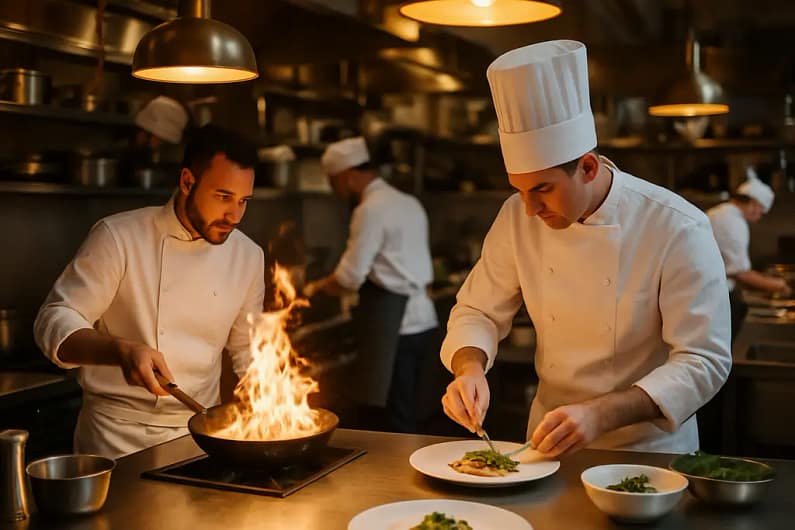
Culinary trends can feel abstract until they appear on a dinner plate: a smaller main course, a fermented condiment, a dish finished over fire, or a chef explaining why a collar, claw, or less familiar cut made the menu. For diners booking restaurants, private dinners, or personal-chef meals on October 7, 2026, the clearest shift is not one single ingredient. It is a more practical style of dining built around choice, flavor, cost awareness, and a stronger sense of participation.
That matters for guests before they book. A trend can make a meal more interesting, but it can also affect portion size, pacing, price, service style, and how much conversation happens at the table. Diners do not need to know every trade term. They do need to know what to ask, especially if the meal is for a family gathering, a client dinner, or a celebration at home.
Why Culinary Trends Feel Different This Season
How Culinary Trends Show Up On The Menu
Many chef-driven ideas now appear in practical ways rather than as showpieces. MICHELIN inspectors reported in January 2026 that preserved and fermented flavors had been resurging, cooking over fire had been appearing through embers, wood, and white eucalyptus coal, and tableside or finish-at-table service had been returning in fine and casual dining settings globally, according to MICHELIN inspectors. For diners, that may mean a smoky vegetable course, a pickled element beside seafood, or a sauce spooned at the table rather than fully plated in the kitchen.
For personal chefs, culinary trends are useful only when they fit the guest. A fermented garnish may be exciting for one table and distracting for another. Fire cooking may suit an outdoor dinner but be impractical in an apartment kitchen. Finish-at-table service may make a birthday meal feel more personal, while a weeknight family meal may need a quieter approach. The practical question is not whether a trend sounds current. It is whether it improves the meal for the people eating it.
Why The Story Behind A Dish Matters
Research notes from the James Beard Foundation’s January 5, 2026 flavor forecast pointed to more use of claws, carcasses, collars, and other parts as chefs stretch protein use for flavor and storytelling. Since that source is not one of the approved citation links for this article, the takeaway here should stay modest: diners may see chefs discussing fuller ingredient use more often, but each menu should be judged on clarity and comfort. If a dish uses a less familiar cut or part, guests can ask how it will be cooked, how it tastes, and whether an alternative is available.
This is especially helpful for private dining. A chef can explain a menu choice before the event instead of surprising guests at the table. That protects the tone of the meal and helps the host avoid awkward moments with diners who prefer more familiar preparations.
Smaller Portions With More Choice
Why Smaller Plates Are Appearing More Often
Smaller portions have become more visible as diners balance budgets and personal dining goals. A March 12, 2026 report carried by the Associated Press described restaurants offering smaller-than-usual servings beyond children’s menus, with customers watching both spending and waistlines, as reported by the Associated Press. That does not mean every restaurant or chef is cutting portions. It does mean diners may see more half plates, snack-size dishes, splitable mains, or menus built around several modest servings instead of one large entree.
For guests, the advantage is flexibility. A smaller format can make it easier to try a fermented vegetable, a fire-kissed seafood dish, or a global comfort-food idea without committing the whole meal to one plate. For hosts booking a chef, smaller courses can also help manage mixed appetites. Some guests want a full dinner; others prefer tasting portions, lighter pacing, or more room for dessert.
What Diners Should Clarify Before Booking
Portion language can be confusing. A small plate at one table may be a few bites, while another chef may use the phrase for a shareable starter. Before confirming a booking, ask how many courses are planned, which dishes are meant to be shared, and whether the menu is designed as a full meal or a grazing format. If the event includes children, older adults, athletes, or guests arriving hungry after work, portion planning should be direct rather than assumed.
- Ask whether the price is based on full dinner portions, tasting portions, or family-style sharing.
- Confirm how many savory dishes will be served before dessert.
- Ask whether guests can request second servings or whether the menu is plated exactly once.
- Clarify whether any high-cost protein is served as a main course, garnish, or shared feature.
These questions are not fussy. They help the chef plan accurately and help the host describe the meal honestly. For related menu planning context, Personal Chef Mall has also covered global flavor trends that can shape chef menus through texture, fermentation, tableside service, and clearer food stories.
Fermentation, Fire, And Tableside Finishes
Fermented Flavors Need Context
Fermented and preserved flavors can bring acidity, depth, and contrast, but they should not feel like a test for the diner. A chef might use a fermented hot sauce, pickled fruit, preserved citrus, aged miso-style seasoning, or a brined vegetable to sharpen a dish. The best use is usually balanced: enough to make the plate more interesting, not so much that the main ingredient gets lost.
Before booking a private meal, ask whether fermented elements will be bold or subtle. If the group includes cautious eaters, the chef can serve stronger condiments on the side. This is a simple service adjustment that keeps adventurous guests happy without forcing everyone into the same flavor profile.
Fire Cooking Changes Flavor And Timing
Cooking over fire can add smoke, char, and aroma. It can also affect logistics. A restaurant may have the equipment, ventilation, and staff to manage live-fire cooking throughout service. A personal chef working in a home may need outdoor space, weather backup, local rules, or a different technique to achieve a similar flavor. Diners should not assume that a fire-focused restaurant dish can be recreated exactly in a home kitchen.
Tableside finishing creates a different kind of value. A sauce poured at the table, a dish carved for guests, or a final garnish added in front of the group can make the meal feel more social. Still, not every dinner benefits from extra presentation. For business dinners or family meals with young children, a simpler plate may be more comfortable. The host should decide whether table interaction is part of the experience or just a small accent.
What To Ask Before Booking A Chef

Match The Trend To The Occasion
A trend-driven meal works best when the occasion is clear. A milestone birthday may support a tasting menu with several small courses and a tableside finish. A relaxed Sunday family dinner may call for generous shared dishes with one or two current touches. A client dinner may need familiar proteins, careful pacing, and a restrained use of bolder flavors.
Ask the chef to describe the meal in plain language. If the menu mentions preservation, live fire, unusual cuts, or small plates, ask what the guest will actually see and taste. A good answer should include cooking method, portion plan, service rhythm, and any substitutions available. If the answer feels vague, request a sample menu before paying a deposit.
Keep Budget And Comfort In The Same Conversation
Smaller portions can support variety, but they do not automatically mean a lower bill. Labor, sourcing, prep time, travel, rentals, and cleanup can all affect chef pricing. A five-course small-plate dinner may require more hands-on work than a three-course family-style meal. Diners should ask what is included: shopping, menu planning, cooking, plating, service, cleanup, and leftovers if offered.
It also helps to discuss comfort levels. Some diners enjoy seafood, off-cuts, assertive fermented flavors, or smoke. Others prefer familiar textures and mild seasoning. A chef can often bridge that gap with a menu that has one more adventurous dish, one familiar anchor, and a flexible side or condiment. Diners comparing restaurant nights with chef-led meals can also browse related dining ideas from De Novo Montclair to see how hospitality and menu choices can create a delightful evening out.
Culinary Trends And Better Dining Decisions
Treat culinary trends as conversation starters, not rules. The most useful trend is the one that helps the meal fit the guest list, budget, setting, and appetite of the table. Smaller portions can support variety. Fermentation can brighten a dish. Fire can add aroma and texture. Tableside finishing can make the meal feel more personal. None of those ideas should replace clear planning.
Before booking, ask for a menu description that explains portion size, service style, ingredient approach, and backup options. That one conversation can prevent mismatched expectations and make the chef’s work more successful. Diners do not need to chase every new idea. They only need enough information to choose a meal that feels timely, satisfying, and right for the occasion.