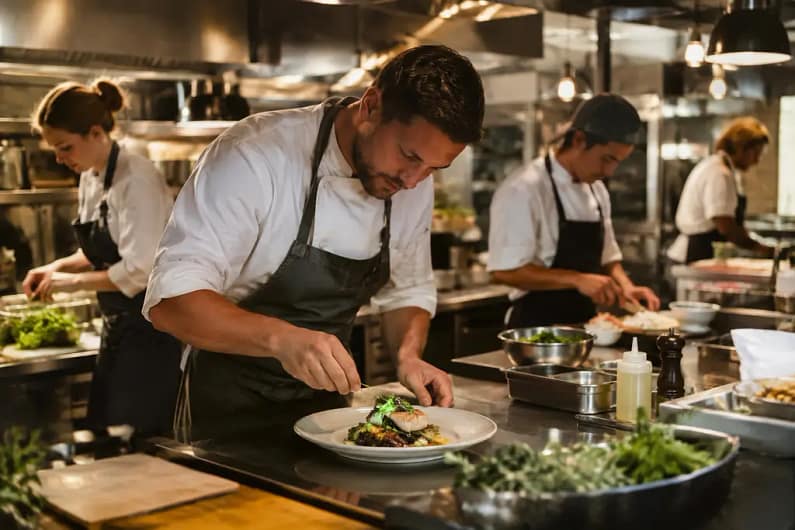
Chef service expectations have shifted because diners, restaurant operators, and private clients are all feeling the same pressure: higher costs paired with cautious spending. For personal chefs, that means a polished menu is no longer enough on its own. Clients want to understand what they are paying for, how the service will work in their home, and why a chef-led meal or weekly prep plan still fits their budget.
As Jordan Reyes, I see this most clearly in networking conversations between chefs, event planners, cafe owners, and repeat clients. The strongest chefs are not responding by discounting every inquiry. They are explaining value earlier, simplifying offers where needed, and building referral relationships with people who understand the difference between a low price and a well-run food service.
Why Chef Service Expectations Are Changing
Chef Service Expectations And The Value Test
The National Restaurant Association published its 2026 State of the Restaurant Industry report on February 11, 2026, projecting U.S. restaurant and foodservice sales of $1.55 trillion with real, inflation-adjusted growth of about 1.3% according to the association’s report. That gap between large nominal sales and modest real growth matters for personal chefs because many clients are comparing every food purchase more carefully.
For a chef service, the value test is not only about the plated result. It includes menu planning, shopping time, ingredient sourcing, cooking, cleanup, travel, service style, communication, and the confidence that the client will not need to manage the meal once the chef arrives. If those pieces are not clear before booking, the price can look higher than it feels in practice.
Profit Pressure Changes The Conversation
National Restaurant News reported that roughly 42% of restaurant operators said they were not profitable in 2025, compared with 29% in 2024, in coverage of the National Restaurant Association’s cautious outlook for 2026 as reported by NRN. Personal chefs are not restaurants, but the signal is useful: food businesses are being judged not only by quality, but also by how well they manage costs.
That reality changes client-facing expectations. A dinner client may ask why a seasonal menu costs more than a standard package. A weekly meal-prep client may want fewer premium proteins and more flexible sides. A corporate host may ask whether the chef can reduce staffing without hurting service. These are not unreasonable questions. They are signs that clients want transparency before they commit.
What Diners Now Want Before Booking
Clear Scope Before A Deposit
Diners increasingly expect a chef to define the scope before money changes hands. That should include the number of guests, courses or meal components, service style, grocery handling, arrival window, kitchen access needs, cleanup boundaries, and cancellation terms. A short written proposal can prevent confusion and protect both sides.
For personal chefs, this is also a networking advantage. Planners, property managers, and local hospitality contacts are more likely to refer a chef who sends clear estimates and does not surprise clients with vague add-ons. A good referral partner wants confidence that the chef will make the partner look reliable.
More Flexible Menu Choices
Clients may still want memorable food, but many are asking for menus that feel adaptable rather than fixed. A chef can offer two or three menu paths: a lighter weekday plan, a standard dinner format, and a higher-touch event option. Each path should state what is included so clients can choose with confidence instead of feeling pushed toward the most expensive option.
This is where chefs can protect perceived value without weakening their work. Instead of cutting quality, adjust the format. A family-style dinner can reduce plating time. A shorter menu can focus spending on fewer better-executed dishes. A prep-forward service can give a household several meals without requiring a formal dinner experience every week.
- List what the quote includes, such as planning, shopping, cooking, cleanup, and travel.
- Explain which items can change if ingredient costs move before the event date.
- Offer menu formats at different service levels rather than only one premium package.
- Confirm whether assistants, rentals, or special equipment are included or separate.
- Use plain language around deposits, final head count, and cancellation timing.
How Chefs Can Protect Margins Without Weakening Service

Use Menu Design As A Business Tool
Strong menu design is now part of the service promise. A chef can build dishes around ingredients that work across several courses or meals, reducing waste and improving buying efficiency. For example, one sauce base can support a dinner entree and a next-day prepared meal if the client books a multi-service package. This is not about serving less; it is about planning more carefully.
The 2026 State of the Restaurant Industry report also projected the restaurant and foodservice workforce at 15.8 million jobs, with operators planning to add more than 100,000 positions. For independent chefs, that means staffing remains part of the client experience. If a dinner requires an assistant, server, or dishwasher, explain that labor line clearly. Clients may not love the added cost, but they usually respond better when they understand the reason.
Build Partnerships That Reduce Friction
Economic pressure makes networking more valuable, not less. Personal chefs should know local food shops, specialty markets, event staff, rental contacts, and neighborhood dining operators who can refer clients with realistic expectations. A chef who has reliable contacts can solve small problems faster, whether that means finding a substitute ingredient or matching a client with a better service format.
For those seeking broader insights into dining experiences from within the same network, Hudson Street Cafe offers a related perspective on dining coverage that is invaluable for chefs. Chefs who expand their reading beyond their sales channels often develop a better ability to communicate their value propositions effectively to clients.
Private dining demand also varies by city, income level, household routines, and event habits. Chefs tracking broader service signals can compare their own inquiries with personal chef growth indicators to see whether their pricing, package structure, and service mix still fit their market.
Chef Service Expectations For Stronger Bookings
Turn Price Questions Into Planning Questions
Chef service expectations are easier to meet when a price question becomes a planning conversation. If a client says a quote is too high, ask what matters most: fewer courses, less formal service, a smaller protein portion, a prep-only format, or a simpler cleanup arrangement. The answer tells the chef whether the client is a poor fit or simply needs a different structure.
This approach keeps the chef from negotiating blindly. It also shows professionalism. A clear service ladder lets the chef protect standards while giving the client a fair choice. One client may select a smaller dinner. Another may keep the original plan after seeing what would be removed. Either result is better than cutting the price without changing the scope.
Set Expectations Before The Kitchen Work Begins
The practical answer to economic pressure is not panic pricing. It is sharper communication. Personal chefs should state what they do, what they do not do, what the client must provide, and what could change if guest count or ingredient needs shift. This protects trust and helps referrals grow because everyone knows what was promised.
Chef service expectations will keep reflecting broader economic signals through October 24, 2026 and beyond. The chefs best positioned for repeat business are the ones who can connect hospitality with business discipline: clear menus, honest pricing, steady communication, and service formats that respect both the client’s budget and the chef’s labor.