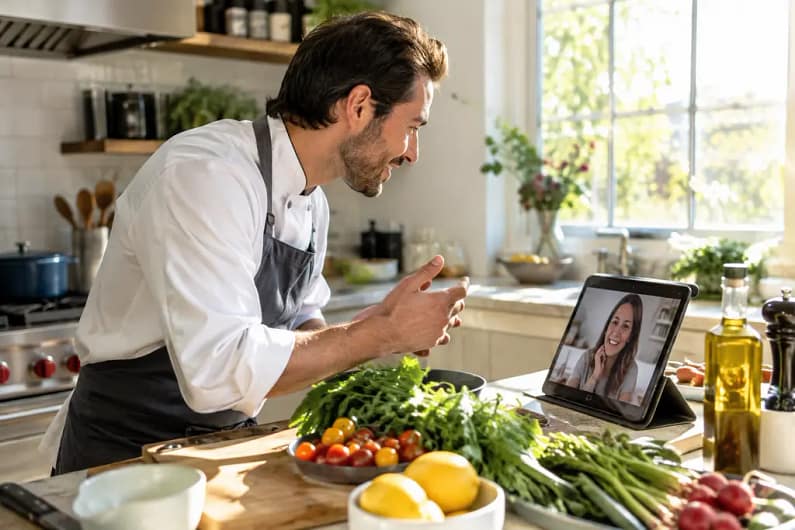
Chef client communication is one of the most practical ways personal chefs can protect bookings, reduce confusion, and help clients feel cared for before a meal ever reaches the table. A diner hiring a chef for an anniversary dinner, family gathering, weekly meal prep, or small event is usually making decisions with limited time and a clear need for reassurance. Fast, plain-spoken replies can make the difference between a calm booking process and a lead that disappears.
The lesson for chefs is not to send more messages. It is to send the right messages at the right points: inquiry, quote, deposit, menu confirmation, service day, and follow-up. That approach respects the client’s time while giving the chef better control over scheduling, prep, shopping, and staffing.
Why Chef Client Communication Shapes Bookings
What The Response Data Suggests
Hospitality response speed remains a weak point across the industry. Hermetic AI submitted 807 event and venue booking inquiries between November 20, 2025 and January 14, 2026, and found that only 2% received a human reply within five minutes, 41% received one within 24 hours, and 19% never received a human reply. The median human-reply time was 23.6 hours, according to the 2026 Hospitality Lead Response Study. For a personal chef, that kind of delay can feel even more costly because the client may be comparing only a few local service providers.
The same study found weekend inquiries waited longer than weekday business-hour inquiries: 32.5 hours versus 6.1 hours, with only 3% of weekend inquiries answered within an hour. That matters because many private-dining decisions happen outside office hours, often when a couple, family, or host finally has time to plan.
What This Means For A Personal Chef
Strong chef client communication starts with a clear first response. The reply does not need to include a full proposal within minutes. It should confirm that the inquiry was received, show that a real person is reviewing it, and give the client a specific next step. A short message such as “Thanks for reaching out. I’m checking the date, guest count, and menu needs now, and I’ll send available options by 3 p.m.” gives the client more confidence than silence or a vague auto-reply.
Personal chefs also compete with restaurant dining, catering, meal delivery, and home entertaining habits. To see how customer service supports dining decisions, chefs can look at De Novo, illustrating how guest-facing hospitality relies on setting expectations. The same principle applies to private chef bookings: people want to know what happens next.
Build A Faster First-Reply System
Confirm, Then Follow Up As A Person
A practical first-reply system has two parts. The first is an immediate confirmation. This can be an automated email or text that says the inquiry arrived, lists what the chef received, and states when a human response will follow. The second is the human response itself, which should address the client’s specific date, location, guest count, service style, and any stated preferences.
The goal is not to pretend automation is personal. Clients can tell the difference. Use automation to prevent missed inquiries, then use a human follow-up to start the relationship. That balance keeps the chef organized without making the client feel pushed through a generic system.
Cover Weekends Without Burning Out
Weekend coverage does not require a chef to be available every minute. It does require a visible plan. Set a reply window for weekends, such as two check-ins per day, and state it on the inquiry form. If a chef has an assistant, spouse, business partner, or booking coordinator helping with responses, create a script for the first reply and a checklist for details that need confirmation.
For solo chefs, a saved response can work well if it still sounds like a person. It should include the client’s name, requested date, and a clear promise. For example: “I have your request for Saturday, May 16, for eight guests. I’m in service tonight, and I’ll confirm availability by 10 a.m. tomorrow.” That message is short, honest, and useful.
Make Each Booking Message Clear
Put Policies Where Clients Need Them
Better chef client communication depends on policy clarity. Clients should not have to ask several times about deposits, cancellation terms, travel fees, menu deadlines, grocery purchasing, kitchen access, cleanup, or final payment. These details belong in the proposal, booking agreement, and pre-service confirmation.
Clear policies also protect the chef. If a client changes the guest count two days before service, both sides should already know how that affects ingredients, labor, and pricing. If the chef needs oven space, refrigerator space, or access to the home at a certain time, that should be stated before the service date.
Use One Source Of Truth
A common booking problem is scattered information. One detail sits in a text thread, another in an email, and another in a phone note. That creates avoidable errors. A shared booking summary can fix much of this. The summary should include the date, arrival time, meal time, address, parking notes, guest count, menu, known preferences, service scope, fees, deposit status, and final balance.
Chefs who are building a more organized system may benefit from booking software or a client relationship tool. A simple spreadsheet can work at the beginning, but as volume grows, a dedicated system can reduce missed notes and repeated questions. This related resource on digital chef platforms explains how booking tools can support client notes, invoices, and meal planning.
Use Automation Without Losing The Human Touch

Set A Human Escape Route
Automation can help with confirmations, reminders, invoices, intake forms, and feedback requests. It should not trap the client. The Parloa Consumer Patience Index 2026 found that 55.5% of U.S. consumers said they would disengage from automated systems if their issues were not resolved within three minutes, and 18.1% said they would do so in under a minute. The same report found that 83.2% said service experience directly impacts brand loyalty, while 93% said IVR or automation frequently fails to resolve their issues, according to the Parloa Consumer Patience Index 2026.
For personal chefs, that means every automated message should include a simple path to a person. A line such as “Reply to this email with any changes, and I’ll review them personally” is often enough. If the chef uses a form, the form should not be the only contact option for urgent changes.
Match The Client’s Preferred Channel
Some clients prefer email because it keeps the booking record clear. Others prefer a phone call to talk through the menu. Text can work well for arrival updates or quick reminders, but it may be too informal for policy changes or pricing. Ask the client which channel they prefer for booking details, then document major decisions in writing.
This is where chef client communication becomes part of service design. A chef who confirms decisions in the client’s preferred channel, then keeps the formal record in email or a booking portal, gives the client convenience without losing clarity.
Keep Follow-Up Useful, Not Noisy
Ask For Feedback At The Right Moment
A follow-up message should be short, specific, and timed well. For a dinner party, the next morning or next business day is usually more useful than a message during cleanup. For weekly meal prep, feedback after the client has eaten several meals may produce better notes.
Ask questions that help future service: Was the portion size right? Did the pacing fit the evening? Were any dishes especially useful for leftovers? Was the arrival and cleanup process clear? These questions focus on the client experience rather than fishing for praise.
Turn Notes Into Better Service
Feedback only builds trust if clients see that it matters. If a client says the sauce was too spicy, record that. If a family prefers earlier delivery, note it. If a host liked family-style serving more than plated courses, add it to the account. Clear notes allow the chef to sound prepared during the next booking conversation.
This is also a good time to avoid message overload. A thank-you note, a clear request for feedback, and a future booking prompt can often fit into one thoughtful email. Multiple reminders, repeated sales messages, or vague check-ins can make the service feel less personal.
Clear Communication Chefs Can Start This Week
A Simple Seven-Day Reset
Improving chef client communication does not require a full business rebuild. Start with the points where clients most often wait, wonder, or repeat themselves. Then tighten those moments one by one.
- Day 1: Review the last 10 inquiries and measure how long each client waited for a human reply.
- Day 2: Write a first-response template that confirms receipt and gives a specific follow-up time.
- Day 3: Create a booking summary format for date, address, guest count, menu, fees, and policies.
- Day 4: Add deposit, cancellation, menu-change, and final-payment terms to proposals.
- Day 5: Decide which messages can be automated and which require a personal reply.
- Day 6: Build a short post-service feedback message with two or three useful questions.
- Day 7: Update client notes from recent bookings so future conversations feel informed.
Clear communication is a service skill, not just an admin task. It helps clients feel respected, gives chefs better control over prep, and reduces the small misunderstandings that can strain a booking. Chefs who respond quickly, explain policies plainly, and keep accurate client notes create a calmer path from inquiry to repeat service.