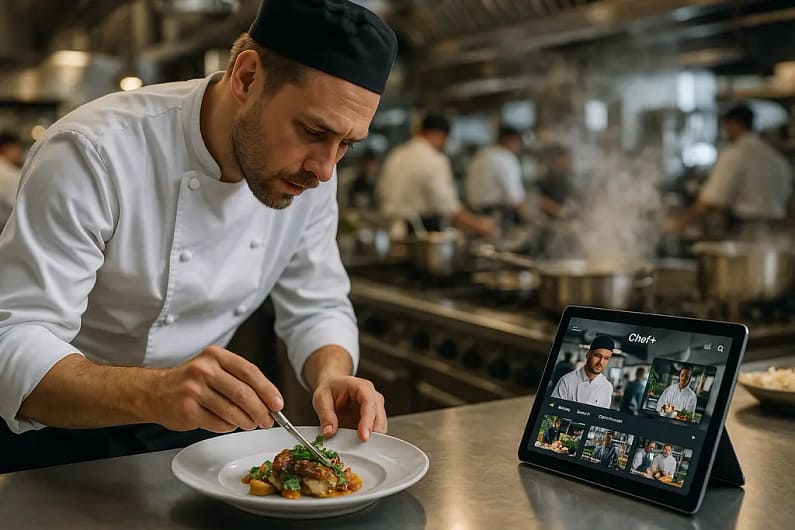
Digital chef platforms are becoming a practical part of how personal chefs book clients, plan menus, track preferences, and reduce unpaid admin time. For chefs who work alone or with a small team, the appeal is easy to understand: fewer scattered notes, clearer scheduling, and better client records. The strongest use case is not replacing the chef’s judgment. It is giving the chef a cleaner system for the work that surrounds the cooking.
As a booking and client-management strategist, I see technology adoption work best when it starts with one real business problem. A chef who forgets follow-up dates needs a client relationship system. A chef who spends Sunday night rebuilding grocery lists needs stronger menu and pantry tools. A chef who wants steadier revenue may need better package tracking, especially if they are moving toward chef subscription models. The right platform should support the service model, not force the chef into a process that feels awkward for clients.
Where Digital Chef Platforms Fit In Daily Service
Digital Chef Platforms Start With Admin Relief
For many personal chefs, the business day does not end when the last container is labeled or the last plated dinner is cleared. There are intake forms, invoices, menu edits, grocery questions, allergy notes, scheduling changes, and follow-up messages. HANDS! describes itself as a digital sous-chef for private chefs, with tools that include smart scheduling, recipe libraries, client management, invoicing, and contracts, according to the HANDS! platform. Those categories match the admin pressure points many chefs already know well.
The practical benefit is centralization. If client notes live in one app, recipes in another, invoices in a third, and scheduling in text messages, mistakes become more likely. A chef may know a client prefers lighter dinners on Mondays, but that knowledge is less useful if it is buried in an old message thread. A single operating system can make repeat service easier to manage, particularly for weekly meal prep, family cooking, and private dinners with repeat hosts.
Booking Tools Should Protect The Client Experience
Online booking can make a chef easier to hire, but it should not remove thoughtful screening. Before accepting a new household, chefs still need to understand kitchen access, guest count, dietary limits, service expectations, budget range, travel time, and cleanup needs. Technology can collect the first layer of information, but the chef should still review the fit before confirming the job.
This matters for growth. A calendar filled with poor-fit bookings can create stress instead of profit. If a platform allows intake questions, chefs can ask about preferred service style, cooking location, equipment, parking, and frequency. Those answers help separate a one-time dinner inquiry from a household that may be ready for weekly personal chef services. Better screening also helps clients understand what they are buying before money changes hands.
How AI Supports Menu Planning Without Replacing Taste
Personalization Needs Human Review
AI tools are entering the planning side of personal chef work. Simmer presents its technology as AI support for personalized meal planning, recipe adjustments, and grocery management on the Simmer platform. Those functions can save time during early planning, especially when a chef is building menus around preferences, ingredients, or repeat household patterns.
Still, menu planning is not only a data task. A good chef weighs seasonality, cooking time, texture, appetite, budget, storage, reheating quality, and the client’s mood around food. Digital suggestions can be helpful starting points, but the chef remains responsible for the final menu. If a client dislikes heavy sauces, loves crisp vegetables, or needs dinners that reheat gently, that lived knowledge should guide the decision.
Grocery Lists And Recipe Edits Need Clear Checks
Grocery management is one area where digital tools can reduce repetitive work. A chef can adapt a base menu, adjust portions, and create a shopping list faster than starting from scratch every week. That said, grocery lists still need a human check before shopping. Package sizes, local availability, client pantry staples, and store substitutions can affect both cost and execution.
Chefs should also keep a clean version history for recipes. If a sauce was reduced for a client who prefers milder flavors, or if a casserole was converted into individual portions, that change should be saved with the client profile. This is where digital chef platforms can support consistency. The client feels remembered, and the chef avoids rebuilding the same decision every visit.
What Chefs Should Ask Before Choosing Software

Match The Tool To The Service Model
Not every chef needs the same system. A private chef working for one household may need calendar privacy, menu archives, and household preference notes. A chef doing several weekly meal prep clients may need recurring schedules, batch planning, labels, and grocery workflows. A chef focused on dinner parties may care more about proposals, deposits, contracts, and guest communications.
Before paying for a tool, chefs should list their current friction points. If invoicing is the issue, a scheduling-heavy app may not solve much. If client communication is scattered, a recipe database alone will not fix the problem. If growth is the goal, the platform should help track leads, repeat clients, package types, and follow-ups. For dining professionals who want to see examples of clear food-and-dining communication online, a related site such as Hudson Street Cafe offers a valuable reference point.
Ask About Ownership, Exporting, And Client Comfort
A chef’s client records are business assets. Before adopting software, ask whether contact details, notes, invoices, menus, and recipes can be exported. If a system becomes too costly or no longer fits the business, the chef should not lose access to years of client knowledge.
- Can the platform manage recurring bookings as well as one-time dinners?
- Can client preferences, allergies, dislikes, and household notes be stored clearly?
- Can invoices, contracts, and deposits be handled in a way clients understand?
- Can menus and grocery lists be edited by the chef before they are sent?
- Can records be exported if the chef changes systems later?
Client comfort also matters. Some households enjoy app-based communication. Others prefer email, text, or a short call. A chef does not need to force every client into the same communication pattern. The goal is to make the service feel organized while still personal.
Practical Next Steps For Chef Technology Adoption
Start Small And Measure The Result
Digital chef platforms work best when chefs adopt them in stages. Start with one workflow, such as intake forms, recurring bookings, or recipe storage. Use it for a month, then ask whether it saved time, reduced errors, or improved the client experience. If the answer is yes, add another workflow. If the answer is no, adjust before moving more of the business into the system.
For chefs building a stronger network, technology can also make referrals easier to manage. A clear booking process helps clients explain the service to friends. A saved proposal template speeds up follow-up. A consistent client record helps the chef remember who prefers family-style dinners, who needs freezer-friendly meals, and who books special occasions early.
The rise of digital chef platforms does not remove the value of culinary skill, hospitality, or trust. It gives chefs a better chance to protect those strengths. The chefs who benefit most will be the ones who choose tools based on service fit, client comfort, and practical time savings rather than hype.