
Dining Out Spending remains a meaningful part of household budgets in 2026, even as guests think more carefully about value, timing, and the reason for each meal away from home. For restaurants and personal chefs, that means bookings are not just about filling seats or calendars. They are about helping clients feel that the occasion is worth the money, whether the meal is a casual night out, a celebration, or a private dinner planned at home.
What Dining Out Spending Signals In 2026
Why Dining Out Spending Still Has Room In The Budget
The National Restaurant Association expects the restaurant industry to reach $1.55 trillion in nationwide sales in 2026, with real inflation-adjusted gains of 1.3%. The same forecast says operators plan to add about 100,000 jobs, bringing total industry employment to 15.8 million, according to the National Restaurant Association forecast. Those figures do not mean every restaurant or chef-led service will grow at the same pace, but they do show that consumers still make room for prepared meals as part of normal spending.
For independent chefs, Dining Out Spending should be read as a signal of intent rather than automatic demand. People are still buying restaurant and chef-prepared experiences, but they may compare options more carefully. A guest deciding between a restaurant meal, takeout, and a private chef dinner will often weigh the full occasion: convenience, service, menu fit, atmosphere, and who else is attending.
Why The Numbers Matter For Small Food Businesses
A large national sales forecast can feel distant from a chef managing weekly bookings, yet it helps frame the planning conversation. If prepared meals remain part of consumer spending, the question becomes how to earn a place in that budget. Chefs and operators can do this by making menus clear, setting expectations early, and explaining what is included before a client commits.
That level of clarity also helps clients. A diner may be comfortable spending more for an anniversary dinner than for a routine weeknight meal. A family may choose a private chef when they want to host without shopping, cooking, and serving. The value is not always the lowest price; often, it is the match between the occasion and the service being offered.
Why Consumers Still Make Room For Restaurants
Dining As A Treat And A Social Plan
Dining away from home is not only a transaction for food. A Bar & Restaurant report found that 53% of consumers dine out to treat themselves, while 45% do so to socialize with friends and family, based on consumer dining motivations. That finding is useful for chefs because it points to the emotional side of bookings. Many guests are not simply asking, “What is for dinner?” They are asking whether the plan will help them relax, connect, or mark an occasion.
This is where client management becomes practical. A chef who asks why the client is booking can shape the proposal more effectively. A birthday dinner may need pacing and presentation. A family gathering may need easy service and flexible portions. A business meal may need a quiet schedule and fewer service interruptions. The menu matters, but the reason for the meal often drives the final decision.
What Diners Should Expect Before Booking
Diners should expect clear answers before they reserve a table or hire a chef. At minimum, the provider should be able to explain the menu format, timing, cancellation terms, payment schedule, and any service limits. If a detail cannot be confirmed, it should not be presented as guaranteed.
For a local point of comparison in the same dining network, exploring De Novo Montclair can remind readers that restaurant decisions often start with the public-facing details guests can review before choosing where to spend. For personal chefs, the same principle applies: the more complete the booking information, the less friction the client feels.
What Value Means Before Booking A Meal
Value Is More Than A Lower Check
Value is often misunderstood as a discount. In food service, value is closer to alignment. Guests want the meal, service style, setting, and price to make sense together. A higher-cost private dinner can still feel reasonable if it removes stress from hosting and fits the occasion. A lower-cost restaurant meal can feel disappointing if the guest expected something the business did not actually offer.
Chefs can reduce that risk by showing clients how the booking works. This does not require a long sales pitch. It requires plain language: what the price covers, how many courses or dishes are included, whether shopping and cleanup are part of the fee, and how changes are handled. If clients can compare options without guessing, they are more likely to choose the service that fits their budget.
- Ask what the occasion is before quoting a menu.
- Separate food costs, service fees, and optional add-ons when possible.
- Confirm guest count, timing, and location before final pricing.
- Put cancellation and change terms in writing.
- Offer a clear next step so clients know how to secure the date.
How Chefs Can Plan Around Dining Out Spending
Booking Strategy For Price-Conscious Clients
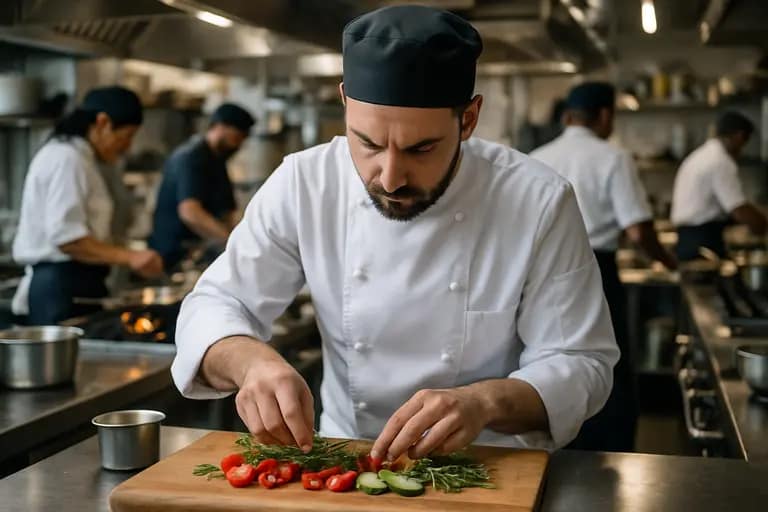
Dining Out Spending can help chefs think about offers in tiers without weakening the service. A client who wants a simple dinner for four may not need the same format as a client hosting twelve guests for a milestone event. Creating a few clear service levels can make choices easier: a drop-off meal, a cooked-on-site family dinner, or a fuller private dining service with more courses and service time.
The key is to avoid making every inquiry a custom negotiation from the first email. Custom work is valuable, but too much uncertainty can slow the booking. A chef can still personalize dishes while keeping the structure consistent. That protects margins and gives clients enough information to decide.
Client Management After The First Inquiry
Once a client reaches out, speed and clarity matter. A supportive reply should confirm availability, ask for the details needed to quote, and explain the next step. If the chef is not available, a polite response still protects reputation. Clients remember clear communication, even when the answer is no.
For financial management, tracking inquiries is as useful as tracking confirmed jobs. Chefs should note the occasion, budget range if shared, guest count, requested date, and reason the booking did or did not close. Over time, that record can show which services attract serious buyers and which offers create questions without enough conversion.
Practical Booking Choices For 2026 Dining Out
For diners, the smartest approach is to match the meal to the moment. A quick casual dinner, a reserved restaurant table, and a private chef booking can all be reasonable choices, but they serve different needs. Before spending, guests should ask what they want most: convenience, privacy, celebration, social time, or simply a break from cooking.
For chefs and restaurant operators, the opportunity is to make that decision easier. Clear menus, honest service descriptions, and responsive booking systems help guests feel prepared before they commit. Dining Out Spending in 2026 is not just about whether people spend. It is about whether the meal feels useful, enjoyable, and worth repeating.