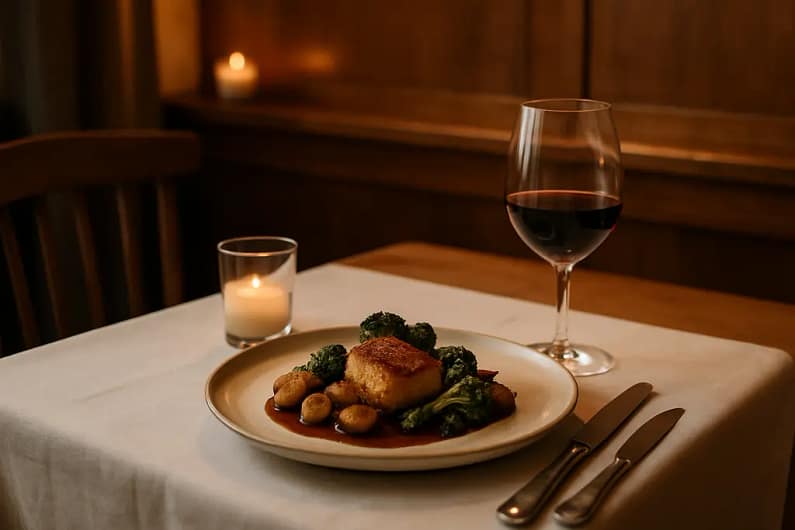
Solo dining trends are no longer limited to restaurant bar seats or quick weekday dinners. They now affect how personal chefs discuss portions, pricing, prep time, service format, and the emotional value of a meal cooked for one person. For chefs who book private clients, the shift is practical: more diners are comfortable eating alone, and many are willing to spend for convenience, quality, and a meal that fits their own schedule.
The clearest data points come from dining and consumer research rather than personal-chef-only studies, so the service advice here should be read as a grounded business application of those dining patterns. Circana reported on August 31, 2026, that 50% of main meals eaten at home were consumed alone, up from 2025 and 2021, and that solo visitors represented nearly 23% of full-service restaurant visits in the first quarter of 2026 Circana solo dining research. That matters for chefs because home meals are already a major part of the solo-dining story.
Why Solo Dining Trends Matter For Personal Chefs
What Solo Dining Trends Signal About Demand
For personal chefs, solo dining trends point to a client who may not want a dinner party, weekly family meal prep, or a couples tasting menu. The client may want three composed dinners for the week, a quiet birthday meal at home, a fridge stocked with single-serving lunches, or a restaurant-style dinner without the social pressure of dining out. The work still requires culinary skill, but the service promise changes.
Axios reported on July 17, 2026, that reservations for one made through OpenTable increased 23% year over year from mid-2025 to mid-2026. The same report said solo diners spent an average of $94, compared with about $60 per person across all party sizes Axios on solo reservations. A personal chef should not copy restaurant pricing from that figure, but it does support a useful point: solo clients are not always looking for the cheapest option. Many are buying control, comfort, and a better meal experience.
The Difference Between Cooking For One And Serving One
Cooking for one can sound simple until the chef has to manage ingredient quantities, leftovers, storage, and variety. A half bunch of herbs, one fish fillet, or a small amount of specialty cheese can create waste if the menu is not planned carefully. Serving one also changes the pace of the appointment. There may be fewer plates to finish, but the conversation around preferences can be more detailed because every decision affects the same person.
This is where a chef’s booking intake becomes valuable. Instead of asking only about allergies, dislikes, and event timing, the intake should ask how the client eats during a normal week. Does the client want plated service, prepared meals, or a mix of both? Are leftovers welcome? Should the meal feel quiet and restorative, celebratory, or efficient? Those questions help the chef build a service that fits the individual without guessing.
How To Shape Menus For Individual Clients
Build Around Portions, Repetition, And Choice
Solo clients often need portion planning more than an oversized menu. A chef can offer a three-meal package with shared ingredients used in different ways: roasted vegetables in one dinner, a grain bowl the next day, and a warm side with fish or chicken later in the week. This keeps the menu varied without turning each meal into a separate shopping project.
A practical solo service might include one plated dinner and two prepared meals for later. Another might focus on freezer-friendly soups, sauces, and proteins. The chef can also offer a small tasting format where the client chooses two appetizers and one main rather than a large multi-course menu. The point is not to shrink hospitality. It is to make the format match the way the client actually eats.
- Offer single-serving menu language, not only family-style descriptions.
- Ask whether the client wants leftovers before planning batch quantities.
- Use shared ingredients across meals to reduce waste and control cost.
- Price for planning, shopping, cooking, packaging, and cleanup, not just plate count.
- Give clients clear reheating and storage instructions when meals are prepared ahead.
Keep The Experience Personal Without Overcomplicating It
Solo dining trends also change presentation. A client eating alone may appreciate a composed plate, a handwritten menu card, or labeled containers that make the week feel orderly. At the same time, many clients do not want fuss. A chef can offer a choice between “served dinner,” “stocked fridge,” and “hybrid evening” packages so expectations are clear before the invoice is approved.
For chefs building out this service category, it may help to compare how solo dining trends are changing chef packages in related service models. This related piece on personal chef growth for solo diners expands on pricing, portions, and presentation for clients who eat alone more often.
Booking And Pricing For Private Dining For One
Set A Minimum That Reflects The Real Work
A common mistake is pricing a solo booking as if it were one restaurant entrée. A personal chef still spends time on consultation, menu design, sourcing, travel, setup, cooking, cleanup, and follow-up. If the chef underprices that work, the service becomes hard to sustain. A minimum booking fee protects the business while allowing the client to choose the meal style.
One option is to create a base service fee, then add food cost and optional upgrades. Another is to sell packages: a single plated dinner, a weekly prepared-meal visit, or a monthly solo tasting dinner. Clear package names make it easier for clients to understand what they are buying. They also reduce awkward conversations about why a dinner for one costs more than a takeout order.
Use The Consultation To Reduce Misunderstandings
The consultation should cover the kitchen setup, serving style, cleanup expectations, packaging needs, and privacy preferences. Some solo clients enjoy conversation while the chef cooks. Others want the chef to work quietly and leave the kitchen ready for a calm meal. Neither preference is wrong, but it should be known before service day.
Chefs can also ask whether the meal marks an occasion. A solo client may book for a promotion, recovery after a busy work period, a move into a new home, or a regular self-care ritual. Those details guide the tone of the menu. They also help the chef avoid treating every solo booking as routine meal prep.
Marketing Solo Dining Without Making Assumptions
Show Respect For Different Reasons People Eat Alone
Marketing should avoid framing solo dining as lonely or unusual. The research points to solo dining as a common behavior across home and restaurant settings. Some clients live alone. Some travel for work. Some have partners or families but still want a private meal. Some simply prefer eating on their own schedule. Respectful language matters because the service is built around autonomy.
Website copy can say, “Private dinners and prepared meals for one,” or “Chef-prepared meals designed around your week.” Those phrases are direct and practical. A chef can show sample menus for one without promising unrealistic levels of customization. For broader dining culture context, readers can also find related food-and-dining coverage at the Hudson Street Cafe website, where readers can explore similar culinary themes.
Use Photos And Menus That Match The Service
If a chef wants more solo bookings, the portfolio should not show only large gatherings. Include images of single plated dinners, organized fridge meals, small ingredient spreads, and compact table settings. Sample menus should make quantities easy to understand. A solo client should be able to picture the service without wondering whether the chef only accepts groups.
Solo dining trends create a clear opportunity, but they also ask chefs to be disciplined. The best offers are specific: how many meals, how much service time, what is included, what is not included, and how the client will use the food after the chef leaves. Specific service design builds trust before the first appointment.
Solo Dining Trends For Personal Chef Services
Treat solo dining trends as a signal to refine the business, not as a reason to chase every possible client. A chef who enjoys quiet, high-detail service may find strong fit with solo plated dinners. A chef who prefers production work may build single-serving prepared-meal packages. A chef with a fine-dining background may offer tasting menus for one, while another may focus on practical weekday meals.
The strongest approach is to make the solo offer visible, priced with care, and easy to book. State the minimum fee, explain the service format, ask thoughtful intake questions, and plan menus that respect portion size and variety. Solo clients are not a smaller version of a group booking. They are a distinct client type, and personal chefs who understand that can serve them with skill, warmth, and better business boundaries.