
Imagine the modern home. It’s not a peaceful place but a war room where meals are a daily fight. For parents starting a business, this mess isn’t just about dirty dishes. It’s a big reason for their work struggles.
The mental load is heavy and real. Often, it falls on one partner, who keeps track of the fridge and schedules. This isn’t just about food. It’s the mental effort to feed and manage a family.
We’re not just selling recipes. We’re selling sanity. Your client is the parent juggling a mental meeting while checking if the chicken is ready. They see the grocery store as a temple of too many choices.
Think of them as a group of stressed-out people. Your service isn’t a luxury. It’s the support they need to avoid a chaotic dinner. Understanding their desperation is key.
Pain Point Messaging: Time Scarcity, Nutrition Overwhelm, and Picky Eating Solutions
Parenting at night is like trying to manage 47 tabs on your browser. You’re juggling recipe blogs, grocery delivery, and questions about vegetables. It’s overwhelming.
There are three main problems. First, Time Scarcity. It’s like losing 45 minutes to scrolling menus. This lost time affects work, relaxation, and being present. It’s not just about time; it’s about mental exhaustion.
Second, Nutrition Overwhelm. You know about quinoa, but feel guilty when you serve chicken nuggets. This is the gap between knowing what’s healthy and actually doing it. It’s too much information without a filter.
Lastly, Picky Eating. It’s not just about food; it’s a power struggle. Every meal is a negotiation. It’s emotionally draining and turns dinner into a battle.
Your message needs to speak to these frustrations. Show how you save time and reduce mental stress. A weekly menu planning service is a solution, not a luxury. It’s a way to reboot a broken system.
| Pain Point | The Cognitive Tax | How Weekly Menu Planning Fixes It |
|---|---|---|
| Time Scarcity | Decision fatigue, constant “what’s for dinner?” anxiety, productivity loss. | Acts as a pre-made executive decision. It eliminates the daily debate, reclaiming mental bandwidth and actual hours. |
| Nutrition Overwhelm | Guilt from the knowledge-action gap, information paralysis, nutrient confusion. | Provides a researched, balanced framework. It removes the guesswork, translating nutritional goals into actionable, simple plans. |
| Picky Eating | Mealtime negotiations, power struggles, stress over wasted food. | Offers structured variety and exposure. It shifts the dynamic from conflict to routine, reducing anxiety for both parent and child. |
Think of it like outsourcing taxes and car repairs. They’re systems experts handle better. Family meals are the same. The right weekly menu planning service provides structure. It turns chaos into order.
When you address these pain points, you’re not just selling a product. You’re selling peace. You’re giving parents a plan that works. That’s the message that resonates with every overwhelmed parent.
Service Package Development: Weekly Plans, Monthly Subscriptions, and One-Time Events
Your weekly plans, monthly subscriptions, and one-time events are like money for busy families. They help save time and reduce stress. It’s not just about food lists; it’s about creating reliable rhythms in the kitchen.
This approach offers different levels of service for various needs. Each package helps families find peace and order in their lives. They can move up to more services as they need them.

This is your key to making homes more peaceful. You’re helping parents who have tried and failed with meal kits or Pinterest. Your promise is simple: “Let’s just get through this week without a meltdown.”
Prepping a few meals can make life easier. Your weekly plan focuses on this. It’s a chance to see how meal prep can calm your life.
Start with this plan to show the power of nutrition meal prep. It proves that planning can bring peace.
The Monthly Subscription: The Convert’s Covenant
This package builds loyalty and steady income. It’s like a subscription service for food. Parents who find relief in a planned week don’t want to go back to chaos.
The monthly subscription keeps that relief going. It turns meal planning into a routine, like Netflix or bills. You create a standard operating procedure that runs smoothly in their lives.
This package is for those who have seen the light. It offers continuity. It answers the silent prayer: “I never want to think about this again.” Your service becomes a must-have for their sanity.
The One-Time Event: The Gateway Experience
Think of it as a workshop for holiday meals or a bootcamp for school lunches. It’s your chance to attract new customers and build a community. It’s designed to make a big impact with little commitment.
These events solve specific problems. They attract parents who might not commit to a plan. The key is showing your expertise and the benefits of your nutrition meal prep system.
Attendees leave thinking, “If she can make Thanksgiving easy, what could she do for my Tuesdays?” It subtly promotes your other plans without hard selling.
| Package Type | Target Parent | Core Value Proposition | Psychological Hook | Revenue Model |
|---|---|---|---|---|
| Weekly Plan | The Skeptic / Trial Seeker | Immediate relief from decision fatigue; proves the system works. | “Let’s just get through this week.” Low-risk trial. | One-time or recurring weekly fee; lower price point. |
| Monthly Subscription | The Convert / Relief Seeker | Predictable calm; transforms meal planning into an automated service. | “I never want to think about this again.” Desire for continuity. | Recurring revenue; higher lifetime value; builds business stability. |
| One-Time Event | The Curious / Community Participant | Solves a specific, high-stress event; demonstrates expertise. | “If she can do this for the holidays, imagine regular weeks.” Gateway experience. | Project-based fee; marketing tool to funnel clients into core packages. |
The real magic is in the upgrade path. A weekly plan client gets a taste of calm. A one-time event attendee sees your skill in action. They then sign up for the monthly subscription for lasting peace.
Your message should make nutrition meal prep seem like a smart choice. It’s not about chopping veggies; it’s about saving energy. You’re selling the confidence that comes with knowing dinner is taken care of.
Design your packages with this progression in mind. Each tier should meet a deeper need and promise more peace. This is how you build a business that thrives by giving overwhelmed parents their most precious resource back: a calm evening.
Consultation Process Marketing: How Initial Assessments Lead to Long-Term Relationships
The first meeting is not just an interview. It’s a deep dive into your family’s food world. We look at everything from grocery shopping to who does the dishes. This is where the magic happens, by showing the need for change.
We use the Fair Play method to figure out who’s in charge of meals. Is it one person or a group? Knowing this is key to a good healthy family meal delivery system.
We ask the tough questions. Like, are you “fridge blind” or do you always default to pasta? This phase helps us understand your family’s unique challenges. It’s like a therapy session and a kitchen audit all in one.
Trust grows when we share our deepest fears. Like the dread of 5 PM or the guilt of serving chicken nuggets again. We listen and understand, laying the groundwork for a lasting partnership.
This detailed assessment makes our service truly effective. A generic plan won’t work because it ignores your unique situation. Our customized approach ensures the healthy family meal delivery fits your life perfectly, not just your Pinterest dreams.
| Family Pain Point | Consultation Discovery | Post-Consultation Outcome |
|---|---|---|
| Time Scarcity | Identifies the “invisible manager” and their unsustainable process. | Clear delegation of tasks and a streamlined weekly workflow. |
| Nutritional Overwhelm | Reveals knowledge gaps and “health halo” misconceptions. | Confident, simple choices based on family needs, not trends. |
| Picky Eating Standoffs | Uncovers the underlying power dynamics and sensory issues. | A strategic, low-stress introduction of new foods that works. |
| Budget Blowouts | Maps the leaky points: impulse buys, food waste, takeout traps. | A cost-conscious plan that maximizes value and minimizes waste. |
Marketing this process is about showing it’s a vital investment. It’s teaching you to manage your food system, not just giving you a quick fix. This initial assessment leads to a meal plan and a lasting partnership. Clients feel like they’re in this together, not just being sold to.
Flexibility Positioning: Adapting Plans for Changing Family Schedules and Preferences
Think of your family’s weekly meal plan like a jazz standard, not a classical score—it’s built for improvisation. A rigid system in a chaotic household is like using a script for a reality TV show. It’s doomed from the start.
The quickest way to kill your service’s credibility is to preach rigidity. Parents aren’t assembling IKEA furniture with a single, perfect diagram. They’re navigating the fluid, often irrational, reality of family life. A soccer game runs into overtime. A toddler declares broccoli a war crime. Your marketing must scream adaptability.
Position your custom family menus not as a locked-in manifesto, but as a living document. Use the language of “pivots,” “audibles,” and “plan B’s.” This isn’t a failure of the system. It’s the system working as designed.
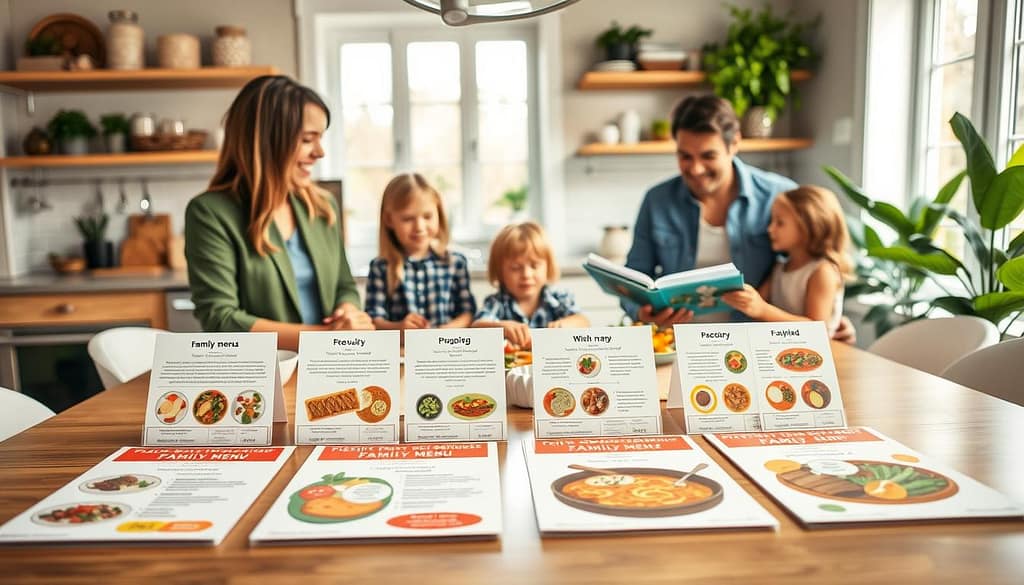
The source data hits a nerve: it advises “matching tasks to your energy levels.” Some days you’re a culinary ninja. Other days, microwaving popcorn feels like a win. A flexible service honors that rhythm. It promotes adaptable systems over fixed rules.
This is agile development for appetites. The selling point is resilience. “Your plan adapts so you don’t have to.” This turns the major pain point of constant change into your core feature. It proves you understand that life, like a good sauce, requires constant tasting and adjustment.
Consider the difference between a rigid and a flexible approach:
| Rigid Meal Plan | Flexible Custom Family Menus |
|---|---|
| Fixed weekly schedule | Swap days based on energy & events |
| Strict ingredient list | Alternative “pantry raid” options |
| Guilt over deviations | Celebrates smart pivots |
| One-size-fits-all structure | Evolves with family preferences |
Your marketing shouldn’t just offer flexibility. It should champion it. Frame last-minute changes not as disasters, but as opportunities for your service to shine. That’s how you build trust with overwhelmed parents. They’re not buying a set of recipes. They’re buying peace of mind.
Ultimately, the most sophisticated custom family menus act like a talented sous-chef. They anticipate the chaos and have a backup ready. That’s the intellectual yet practical solution educated parents are searching for.
Educational Content Marketing: Nutrition Workshops and Family Cooking Classes
Family cooking classes are more than just teaching skills. They’re about creating new family stories. By doing this, you become a trusted guide. Educational content helps build your brand, making it stronger than any discount.
A nutrition workshop is like a mix of a TED Talk and a support group. Your goal is to make things clear, not to lecture. You explain food science in a way everyone can understand. This isn’t just sharing info. It’s about starting meaningful conversations about health.
But the real magic happens in hands-on cooking classes. Here, you focus on changing lives, not just selling products. You’re not just teaching kids to cook. You’re helping families work together.
You’re teaching everyone in the family to talk about food in the same way. This makes mealtime easier and more enjoyable. It turns the kitchen into a place where everyone works together.
This approach is amazing. You teach people to cook, and they appreciate your expertise even more. They see how much work you do, making your family meal planning services even more valuable.
To market this, show how valuable these classes are. Use effective email marketing to reach current clients. Offer them to schools or community centers too. Each class shows off your philosophy in action.
This way, you don’t have to chase clients. They come to you. You become the go-to person for advice. Your workshops and classes are your best sales tools.
This educational layer is a key part of your offer. It shows your service is more than just a product. It’s a community. It’s the best way to show what your family meal planning services are all about.
Referral Program Strategy: Leveraging Parent Networks and School Communities
Your most powerful marketing asset isn’t your website; it’s a parent’s honest praise. Trust is more valuable than money, and a good word can mean a lot. This is how recommendations work best.
Remember the last time you traded childcare with a neighbor? It wasn’t about money. It was about understanding each other’s struggles. Your referral program should work the same way. Parents trust people who seem to get it, not ads.
Offering a generic 10% discount is not enough. It misses the point. You’re asking parents to use their social capital, the trust they’ve built in their community. The reward should be worth that trust.
Instead, offer a “Week of Peace”. When a client refers a friend, both get a week of your weekly menu planning service for free. This is more than a discount; it’s a recognition of trust. It turns clients into advocates, sharing a solution, not just a deal.
To find these networks, look at places where people are busy. School pickup lines, sports waiting rooms, and community centers are great places. Show your weekly menu planning as a solution everyone’s talking about. You’re not just selling a service; you’re sharing a secret that makes life easier.
A referred customer is like gold. They’re already convinced and feel part of your community. Their friend has done the hard work of building trust. This is marketing that works like good gossip, spreading the word about organized homes and more free time.
To build a program that taps into this network, focus on these elements:
- Reciprocal Rewards: Both the referrer and the new client benefit significantly. This mirrors the “you scratch my back, I’ll scratch yours” dynamic of parent life.
- Community-Centric Language: Use phrases like “Share the calm” or “Pass the peace” instead of sterile “Refer a friend” buttons.
- Low-Friction Sharing: Provide easy digital tools, but also physical referral cards they can literally hand to another parent in the pickup line.
- Story Amplification: Encourage your happy clients to share their specific wins—like defeating picky eater standoffs—not just that the service is “good.”
This strategy turns your clients into a decentralized sales force. It’s built on real relief, not just sales pitches. Your growth becomes organic, trusted, and strong. You’re not just building a list; you’re creating a community that finds peace together.
Pricing Psychology for Families: Value Communication and Budget-Conscious Positioning
Why do we upgrade our business software but not our family kitchen? We see business systems as a performance boost. But we doubt the value of home systems. This is the main challenge your pricing must face.
Let’s face it: your price versus the “I’ll just figure it out” mindset. It’s not just a grocery item. It’s a smart move for the Family CFO. Think about the cost of nightly meltdowns—both for parents and kids. The return isn’t just in money; it’s in saved time and less stress.
Compare your price to the cost of last-minute takeout, wasted food, and impulse buys. That’s the real cost of kitchen chaos. You’re not adding a cost; you’re suggesting a cost-neutral or even cost-saving change.
For budget-conscious families, this is your key argument. Professional nutrition meal prep fights against waste. It turns chaotic spending into a predictable, cost-effective choice. You’re not just selling a product; you’re selling a way to save time and sanity.
The structure is key. Use tiered pricing that meets different needs. Offer the basic plan, the full blueprint, and the premium service. This isn’t just a guess; it’s based on research on pricing tactics that make choices feel empowering, not limiting.
Your final message? You’re selling a return on well-being. Value communication means showing how your service is worth the investment. Budget-conscious positioning isn’t about being the cheapest. It’s about being the most wise choice a parent can make.
Seasonal Marketing Campaigns: Back-to-School, Summer Camps, and Holiday Planning
Forget the calendar year. For parents, life is measured in three distinct seasons: back-to-school panic, summer sprawl, and holiday hysteria. Your marketing for a healthy family meal delivery service must sync with this emotional almanac.
Each shift brings a unique flavor of chaos. Your job isn’t to remind parents you exist. It’s to present yourself as the specialized cure for their seasonal ailment.
The Back-to-School campaign is your opening act. This isn’t about selling lunchboxes. It’s about selling a sense of control during the annual schedulequake. Routines shatter. Time becomes a scarce commodity.
Market your service as the system that re-establishes rhythm. Highlight your “weekly planning sessions” as the anchor in the new storm. Your message? “Let us handle the dinner debate so you can handle the homework meltdown.”
Then comes summer. Camp schedules, vacations, and sheer laziness dissolve all structure. Your Summer Camp marketing is pure culinary triage.
Position your service as the nutritional safety net. Promote a “Summer No-Cook Cool Down” package with ready-to-eat, heat-resistant meals. This is the solution for when the kitchen feels like a sauna and the kids have eaten three popsicles before noon.
Your masterpiece, the Holiday Planning campaign, is the antidote to the “most wonderful but most stressful time of the year.”
Grandparents are visiting. School plays demand attendance. The mere thought of cooking another feast can gobble up your sanity. Offer a “Holiday Side Dish Stash” or a “Main Course Miracle” package.
You’re not just delivering food. You’re delivering the freedom to actually enjoy the season. You become the hero who prevents a holiday meltdown.
| Season | Parent Pain Point | Your Solution Package | Key Marketing Message |
|---|---|---|---|
| Back-to-School | Loss of routine, time scarcity, lunchbox dread. | Structured Weekly Planner & easy reheat lunches. | “Reclaim your evenings. We’ll handle the 6 PM ‘what’s for dinner?’ crisis.” |
| Summer Camps | Dissolved schedules, “snack all day” nutrition, heat aversion to cooking. | No-Cook Cool Down box with grab-and-go healthy options. | “Keep nutrition on track when summer laziness (and heat) takes over.” |
| Holiday Planning | Visitor stress, event overload, culinary exhaustion. | Holiday Feast Support: side dishes, mains, or full meal takeovers. | “Be present for the magic, not stuck in the kitchen. We’ve got the feast covered.” |
This strategic, seasonal approach does more than drive sales. It embeds your service into the family’s life cycle. You transition from a vendor to their perennial partner in culinary crime-fighting.
You’re the steady hand through every seasonal storm. That’s how a healthy family meal delivery becomes indispensable.
Success Story Showcases: Family Health Transformations and Improved Eating Habits
Stories are more valuable than data. They show us how things work in real life. The best marketing tool is a family that used to fight over dinner but now enjoys it in peace.
Think about a kitchen whiteboard before and after. It went from a mess of notes to a clear plan for the week. The Miller family, for example, used to argue about dinner 14 times a week. But after they got a custom menu, they stopped arguing altogether.
They even started enjoying healthy foods like broccoli. This shows how a good plan can change everything. It turns meal planning into a real solution that saves time and stress.
A custom family menu does more than list meals. It stops the Sunday night stress and gives families time to connect. The goal is simple: to make life easier and more enjoyable.