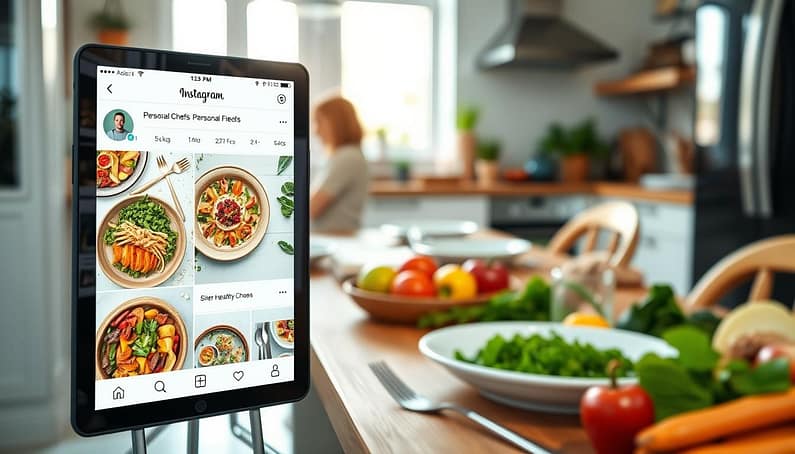
Ever scroll through a feed of perfect #mealprep and feel like your kitchen is a mess? The journey from a perfect Reel to the real chaos is a common struggle for parents.
We face a challenge. On one side, we want healthy, colorful meals. On the other, time is always running out. How do we balance these?
Here, a smart content strategy is key. For chefs, Instagram isn’t just about looks. It’s about showing real value in everyday life.
Good engagement builds trust by showing you get the daily struggles. It connects the dream of healthy meals with the reality of busy lives. This turns followers into clients who see you as a partner in their health journey.
Platform Strategy: Instagram Stories vs Facebook Groups for Family Engagement
Choosing between Instagram and Facebook for family engagement is not just a simple choice. It’s about using each platform for different things. Instagram is for quick, exciting moments. Facebook Groups are for building lasting connections.
Instagram Stories are like a quick, tasty dish. They’re short-lived but grab your attention fast. They’re perfect for showing off a quick cooking trick or a happy moment with your kids.
Facebook Groups, on the other hand, are for deeper conversations. They’re where you share more detailed recipes and cooking tips. Here, you’re not just cooking; you’re leading a community. You share meal plans, answer questions, and help others.
Let’s look at what each platform is for:
- Instagram Stories (The “Look”): Quick, engaging videos, tips, and behind-the-scenes looks. It’s all about grabbing attention.
- Facebook Groups (The “How”): Detailed guides, support, Q&A, and sharing resources. It’s where you dive deep into cooking.
A smart strategy uses both platforms together. Share a quick cooking video on Instagram Stories. Then, invite viewers to join your Facebook Group for more recipes and tips. This way, you capture their interest and build a community.
Don’t treat Instagram and Facebook as the same thing. Instagram is for quick, exciting moments. Facebook Groups are for building a community. Your Facebook marketing families plan needs both to succeed.
Content Pillars: Nutrition Education, Meal Prep, and Behind-the-Scenes Family Cooking
Forget posting on a whim. We’re building a content fortress with three unshakeable pillars: education, preparation, and revelation. A random food blog might get a like. But a strategic content engine built on these pillars gets you hired.
This is where you translate clinical jargon into kitchen-counter wisdom. Think of it as a TED Talk for the family dinner table. Your goal isn’t to lecture, but to enlighten. Why does roasting beat frying for nutrient retention? What’s the stealthy power of lentils in a toddler’s pasta sauce?
A recent study found that engagement with healthy cooking multimedia significantly predicts healthier eating behaviors. People aren’t just watching; they’re learning. In fact, participants strongly agreed that through videos they learned healthier cooking methods. This is your proof of concept. Your nutrition education posts are the intellectual fuel that changes habits.
Pillar Two: Meal Prep (The 5 PM Panic Button)
This is the practical engine room of your entire social media strategy. It solves the universal “It’s 5 PM and I have nothing” parental panic. Your content here is a utility, not just entertainment.
Show them the batch-cooking hack that saves four weeknights. Demonstrate freezer-friendly portioning for a toddler and a teen. Reveal the sacred “Sunday Setup” ritual. This is the how that makes the healthy why possible. Your family meal prep social media content doesn’t just inspire—it provides a tangible, life-saving blueprint for busy households.
Pillar Three: Behind-the-Scenes Family Cooking (The Beautiful, Messy Truth)
This is your secret weapon for relatability. Show the toddler “helping” with flour everywhere. Film the negotiation over broccoli. This isn’t failure; it’s authenticity.
This pillar builds immense trust by proving you understand the chaotic, beautiful reality you’re being hired to navigate. It transforms you from a distant expert into a trusted ally who gets it. This content says, “I’ve seen the battlefield, and here’s how we win.”
Together, these three pillars create a holistic narrative. You educate the mind, equip the hands, and connect with the heart. That’s how you turn casual engagement into lasting client relationships.
Kid-Friendly Content: Involving Children in Cooking and Healthy Eating
Forget the food wars; the real secret to getting kids to eat their greens isn’t on the plate, it’s in the process. The battle isn’t won with stealthily blended spinach. It’s won when a four-year-old, flour-dusted and proud, declares the zucchini muffin “their” creation.
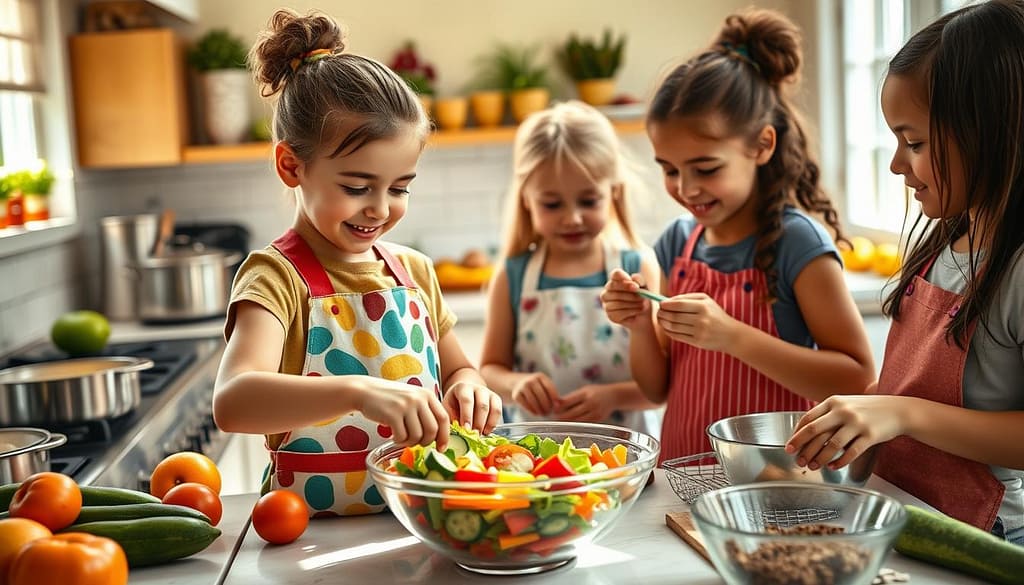
This is where kid-friendly content moves past the “cute salad” Instagram trope. That’s just performance. Real engagement is messier, louder, and far more psychological. It’s not about creating mini-Gordon Ramsays. It’s about fostering a sense of ownership. When a child feels like a co-pilot, not a captive audience, the entire dynamic shifts.
So, what does this look like in your feed? It’s content that frames cooking as discovery. Think less “recipe,” more “edible science experiment.”
- The Lab Report: “What happens when we bake baking soda?” Document the rise of a muffin. It’s chemistry they can eat.
- Sensory Play: A close-up video of little hands crushing rosemary or mint. Let them smell, tear, and taste. It’s texture and aroma, not obligation.
- The Deconstructable Meal: A taco bar, a grain bowl station. Kids build their own. This isn’t pandering; it’s a masterclass in choice architecture.
The witty analysis here is key. You’re shifting the parent’s mindset from “forcing vegetables” to “curating food experiences.” The goal isn’t a clean plate. It’s a curious kid. Your role as the family chef isn’t just to cook. It’s to be the expert facilitator—the one who brings the plan, the patience, and the permission to make a glorious mess.
This shift is your content goldmine. It positions you not as another voice adding to the parental guilt, but as the savvy guide who knows the hack. It’s about showing the how, not just the what. This philosophy of engagement should be core to your crafting a compelling chef introduction bio, signaling to families that you speak their language—the language of tiny hands and big, adventurous appetites.
Allergy Awareness Posts: Showcasing Gluten-Free, Nut-Free, and Dairy-Free Options
Dealing with food allergies in a family is a big responsibility. It’s like having a personal security team for every meal. Parents worry about things like birthday party cupcakes being safe.
Standard “healthy” food content can be dangerous for these families. Your marketing needs to show you understand their concerns. It should build trust by being operational competent.
Just slapping a “gluten-free” label on a recipe isn’t enough. The real work is in the details. This includes using separate cutting boards and dedicated fryer oil.
Showing these details makes you a safe harbor for families. They see you as a trusted place in a world full of confusing food labels.
Your posts should highlight your kitchen’s safety measures. Show off color-coded utensils and sealed containers for gluten-free flours. This proves you’re serious about avoiding accidental exposure.
This isn’t just content; it’s a gastronomic peace treaty for worried parents. It’s a way to show you understand their fears and have solutions.
Teach your audience about new ingredients like teff flour and coconut aminos. Show them how these can add depth and flavor to meals. This way, your content celebrates the discovery of new tastes.
Your content tackles the emotional labor of allergy parenting. It acknowledges the hard work of planning meals and snacks. It offers relief with guides like “The School Lunch Survival Guide for Nut-Free Kids.”
This approach is empathetic and confident. It’s like having a scientist and a friend who always brings the safe dessert. This builds a community of relieved parents who see your service as essential.
| Allergen Concern | The Standard (Vague) Approach | Our Proactive (Trust-Building) Solution |
|---|---|---|
| Gluten Cross-Contact | “We offer gluten-free options.” | Dedicated prep space, certified GF ingredients, and a “no wheat flour in the kitchen” policy visibly documented. |
| Nut Allergy Safety | “We can omit nuts.” | A completely nut-free facility guarantee, with ingredient sourcing transparency and clean-down protocols shown in stories. |
| Dairy Substitution | “Use vegan cheese instead.” | Education on which dairy-free cheeses melt best for pizza vs. which cream alternatives work in alfredo, based on rigorous testing. |
| General Confidence for Parents | Pretty photos of finished dishes. | Behind-the-scenes footage of safety checks, ingredient labels, and staff training, building verifiable trust from pantry to plate. |
Your allergy awareness content turns mealtime stress into joy and security. It changes the conversation from fear to discovery. This makes your marketing not just attract clients, but earn devoted advocates for life.
Seasonal Family Nutrition: Back-to-School Lunch Ideas and Holiday Healthy Alternatives
Getting through the school year and holiday meals is tough. It’s not about fancy food. It’s about finding ways to survive.
Your healthy cooking content is more than just pretty pictures. It’s a guide for the toughest times of the year.
Back to school is a big challenge. Parents need to pack lunches that can withstand a lot. Your content helps them do just that.
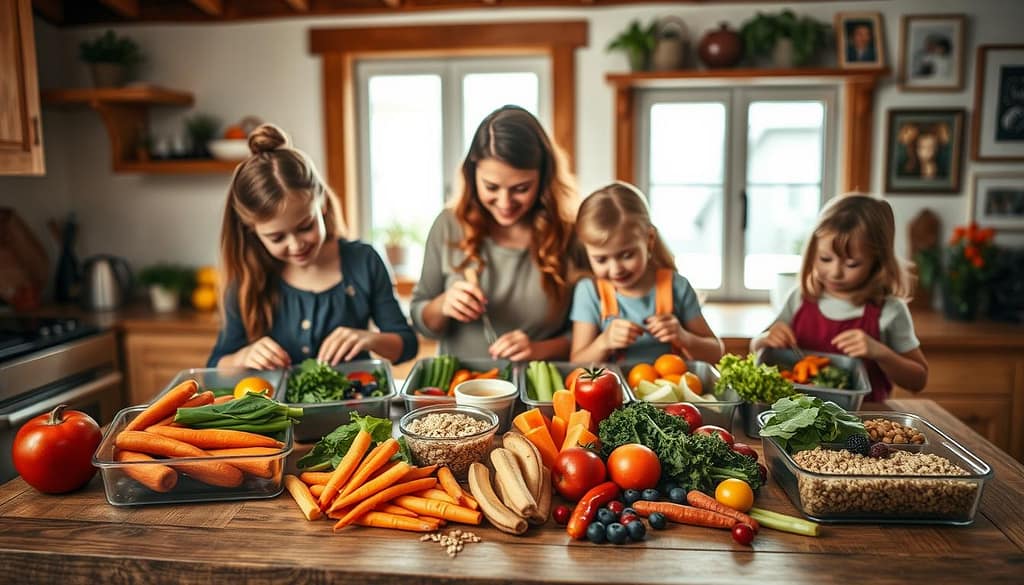
Forget fancy salads that get soggy. Think about food that stays good all day. Share ideas like mini frittata muffins and whole-grain pinwheels.
The goal is to make snacks that kids won’t trade. That’s the key to healthy eating.
- Dip & Crunch Packs: Single-serving hummus or yogurt with veggie sticks. It’s fun and gets kids excited.
- Thermos-Friendly Wonders: Warm soups, pastas, or mini meatballs. Perfect for when school lunch isn’t great.
- The “Looks Like Junk Food” Hack: Sweet potato “fries,” baked apple chips, or dark chocolate-dipped banana bites. They look good and taste even better.
The holidays bring their own set of challenges. Your content helps keep things balanced. You’re not the Grinch; you’re the voice of reason.
You show how to enjoy treats without feeling guilty. It’s about celebrating in a smart way.
Here are some ideas for your holiday healthy cooking content:
- The “Better-For-You” Centerpiece: A stunning main dish, like a herb-crusted roast or a vibrant stuffed squash, that quietly outshines the heavier sides.
- Smart Swaps in Classic Recipes: Use avocado in chocolate mousse, Greek yogurt in mashed potatoes, or whole-grain bread in stuffing. The flavor stays, the guilt leaves.
- Activity-Based Food: A DIY “decorate your own oatmeal cookie” station or a build-your-own hot chocolate bar with unsweetened cocoa and spice toppings. It shifts focus from mindless eating to engaged creating.
This part of your marketing shows you’re a seasonal expert. You’re not just a chef; you’re a guide for the family kitchen. You help families navigate the year’s nutritional ups and downs.
When you talk about back-to-school lunches, you’re solving a real problem. When you share holiday tips, you’re helping families stay balanced. This approach builds trust. It shows you get the rhythm of family life.
That trust is what turns followers into loyal clients. It’s the secret ingredient.
Parent Education Series: Nutrition Tips and Feeding Strategies for Different Ages
Forget just recipes; the real game-changer for health-conscious families is mastering the art and science of feeding. A recent study found that cooking behavior alone had no direct link to healthier eating. The magic bullet was engagement with educational multimedia.
Knowing how to chop an onion doesn’t solve the puzzle of a picky toddler. This is where your content must evolve from a recipe vendor to a nutritional sage. We’re building a structured, serialized parent education series that tackles the distinct battlefield of each developmental stage.
Let’s unpack that blueprint. Your nutrition education posts need to meet parents where they are—deep in the trenches of daily food fights.
The Infant Stage: Purees & Textures
This phase is about first exposures and sensory exploration. Content focuses on introducing allergens safely, navigating the transition from smooth to lumpy, and reading baby’s cues beyond facial expressions. Think “First Bites Friday.”
The Toddler Stage: The Beige Food Tyranny
Ah, the glorious reign of chicken nuggets and buttered pasta. Strategy shifts to stealth nutrition, playful presentation, and managing power struggles. Your series becomes the parent’s secret weapon against culinary mutiny. Call it “Toddler Tuesdays.”
The School-Age Stage: The After-School Hunger Monster
These kids have opinions and bottomless stomachs. Education focuses on building balanced plates they can assemble themselves, smart snack hacks, and talking about food as fuel for sports and play. It’s a practical, empowering approach.
The Teen Stage: Food, Body, & Independence
The most complex layer. Content here respectfully addresses body image, mindful eating, fueling for academic and social demands, and basic cooking skills for future independence. A series like “Teen Kitchen Confidential” builds trust.
This isn’t scattered advice. It’s a strategic curriculum. The table below maps the entire series, turning age-specific chaos into a clear content plan.
| Age Stage | Core Challenge | Key Feeding Strategy | Sample Content Hook |
|---|---|---|---|
| Infant (6-12 mos) | Introducing solids, texture progression, allergen awareness. | Repeated exposure, responsive feeding, flavor pairing. | “First Bites Friday: The 3-Day Rule for New Foods.” |
| Toddler (1-3 yrs) | Neophobia (fear of new foods), asserting independence, “beige” diet. | Division of Responsibility (parent provides, child decides), food play, deconstructed meals. | “Toddler Tuesdays: How to Turn a Pepper into a Boat.” |
| School-Age (4-12 yrs) | Influenced by peers, developing habits, after-school snack attacks. | Build-your-own meals, snack “zones” in the fridge, nutrition as superpower talk. | “Snack Lab: 5 No-Prep Power Plates for Hungry Kids.” |
| Teen (13-18 yrs) | Body image concerns, busy schedules, desire for autonomy. | Collaborative meal planning, macro-nutrient basics, stress-eating vs. hunger cues. | “Teen Kitchen Confidential: Meal Prep for Your Crazy Schedule.” |
By providing this staged educational journey, you do more than share recipes. You provide a framework. You become the trusted source parents return to as their kids grow. For parents seeking evidence-based feeding strategies, this series is the ultimate resource.
The ROI is authority. This kind of deep, practical nutrition education directly addresses the study’s critical finding. It’s the educational engagement that transforms kitchen activity into lasting family health. Your parent education series positions you not as a short-order cook, but as the family’s nutritional strategist.
Live Cooking Demos: Family-Style Meals and Batch Cooking for Busy Parents
Forget the polished recipe reels. The real magic in family meal prep social media happens when it’s live. Live video builds trust by showing real cooking.
Studies show that watching healthy cooking videos boosts confidence in cooking. Viewers’ confidence scores jumped to 5.26. This confidence leads to healthier eating habits.
So, how do you use this power? We focus on two demo types that help busy parents.
First, the Family-Style Meal. It’s not about fancy dishes. It’s about easy, one-pan wonders or taco bars. You show how to cook for everyone without stress.
Second, the Batch Cooking for Busy Parents marathon. You turn ingredients into meals for the week, live. Viewers see the whole process, making bulk cooking clear.
The key is the live Q&A. You answer questions on substitutions and storage. This interactive problem-solving builds rapport and authority.
This approach empowers viewers. Watching meals come together live informs and empowers. It makes hiring you to teach these systems seem like a smart choice.
| Demo Focus | Time Investment | Key Benefit for Parents | Ideal For |
|---|---|---|---|
| Family-Style Meals | 30-45 mins live | Minimizes cleanup & accommodates picky eaters | Weeknight dinner inspiration, reducing meal-time stress |
| Batch Cooking | 60-90 mins live | Recoups hours during the week, ensures healthy options are ready | Sunday prep sessions, overcoming the “what’s for dinner?” dilemma |
| Live Q&A Integration | Throughout | Personalizes the experience, builds community trust | Converting viewers into engaged followers and potentially clients |
A live cooking demo is more than content. It’s a performance, workshop, and consultation. It turns family meal prep social media into a real strategy. For busy parents, it’s a solution worth watching and investing in.
Hashtag Strategy: Reaching Parents Searching for Healthy Family Solutions
If you just use #food on your posts, you’re not doing it right. Hashtags are like a digital filing system. Use them well, and you guide parents to your dinner solutions when they’re in a rush.
An effective strategy for Facebook marketing families and Instagram for personal chefs focuses on precision, not volume. Mix broad tags for awareness with specific ones for conversions. Avoid tags like #food, which are crowded and ineffective.
- Community Hashtags: These connect you with like-minded people. Use tags like #healthymom, #dadchef, and #foodallergymom. It’s about joining a conversation and building trust.
- Niche Service Hashtags: These highlight your profession. Use tags like #familychef and #mealprepservice. They attract people already looking for personal chefs.
- Ingredient & Recipe Hashtags: These help people find solutions. When someone searches #hiddenveggies, your post appears. It shows you’re the expert they need.
- Location-Based Hashtags: These attract local customers. Use tags like #austinmoms and #chicagofoodie. They help you reach people in your area.
The key is to mix different types of hashtags. A single post might use #healthymom, #familychef, #batchcooking, and #seattlemom. This attracts both browsers and active seekers.
It’s the difference between a casual like and a direct message. When someone says, “Do you service my area? We need help,” you know your strategy is working.
ROI Measurement: Converting Social Media Engagement into Family Cooking Contracts
Likes are like confetti online—pretty but not filling. For a service that feeds families, your social media ROI needs substance. The data shows: engagement that teaches can change habits. Your business goal? Make engagement lead to action.
Forget about vanity metrics. Focus on value metrics. A ‘Save’ on your gluten-free lunchbox post means a parent is planning to make it. A Direct Message inquiry is a sign of interest. An email list sign-up for your meal plan guide is a lead ready to buy. Activity in your Facebook Group shows trust building.
Create a simple funnel. Use Instagram Stories and Reels to attract people. Then, guide them into your nurturing middle—a Facebook Group or newsletter. The goal is a booked discovery call. This is where a ‘like’ turns into a real conversation and a contract.
The best return on investment isn’t a viral video. It’s a calendar full of clients. It’s knowing your analytics led to families eating better. Your content built trust, and your expertise earned the contract. That’s a metric you can taste.