
Most advice on healthy eating falls flat. It’s like trying to get a kid to eat broccoli. We’re flooded with charts and lists, but they don’t work.
Experts say it’s because we’re just dumping information. This approach doesn’t work well, even in school. Kids remember it, but it doesn’t change their eating habits.
The problem isn’t a lack of facts. It’s how we teach. We’ve been trying to publish instead of teach.
To really teach, we need to make it hands-on. We should use what families already know and love. This makes learning fun and engaging.
This new way of teaching is all about experience. It’s about tasting and feeling, not just listening. It’s a smarter way to learn about nutrition.
Educational Content Strategy: Age-Appropriate Nutrition Information for Parents
The secret to getting kids to eat their veggies isn’t found in a biochemistry textbook. It’s in understanding the four sensory landmines every child navigates. Most healthy eating tips for families fail because they treat “parent” as a monolithic job title. It’s not. You’re a negotiator with a toddler, a short-order cook for a picky second-grader, and a reluctant Uber Eats financier for a teenager. The strategy begins when we stop segmenting by age and start segmenting by stage.
Think of it this way. You wouldn’t use the same lesson plan for a kindergarten class and a high school physics seminar. Yet the nutritional advice flung at parents often has the same glaring mismatch. Mott’s “Teachable Tastes” campaign got this right. They built their entire program on research identifying the key barriers kids actually face: texture, appearance, flavor, and aroma. These aren’t minor details. They are the battlefield.
By partnering with pediatric nutritionists Jill Castle and Angela Lemond, Mott added credible science to a sensory-based approach. This moves us from abstract dogma (“eat more fiber”) to tactical intel. For a parent of a six-year-old, the actionable tip isn’t “increase leafy greens.” It’s “how to make a crunchy vegetable taste like a victory.” This is the core of effective nutrition information for parents.
Now, let’s talk about teens. Adolescent neurobiology throws a wrench into the best-laid plans. Their brains prioritize engaging, socially relevant stimuli over dry information. A lecture on micronutrients is noise. A TikTok from a cool athlete about a post-game smoothie? That’s signal. Your content strategy must speak this language.
So how do you meet parents where their anxiety lives? It’s in the supermarket aisle, staring down the snack wall. It’s at the dinner table during a standoff over peas. Your job is to arm them with scripts and strategies that feel less like medicine and more like common sense. This is where healthy eating tips for families transform from theory into daily practice.
The table below breaks down this stage-based strategy. It translates generic parental worry into specific, actionable content angles. Notice how the barrier shifts, and so must your message.
| Child Stage | Primary Parental Anxiety | Key Sensory/Behavioral Barrier | Actionable Content Intel |
|---|---|---|---|
| Toddler (1-3 yrs) | “They won’t try anything new!” | Texture & Appearance | Content on “food play,” smooth blending, and colorful plate arrangements. Focus on touch and sight. |
| School-Age (4-12 yrs) | “They only want chicken nuggets!” | Flavor & Routine | Recipes for “hidden veggie” sauces, DIY “make your own” meal kits. Frame it as a fun experiment, not a health mandate. |
| Teen (13+ yrs) | “They live on snacks and eat alone!” | Aroma & Social Perception | Content on quick, aromatic meals for busy schedules and “foods for focus” tied to their goals (sports, exams). Leverage peer influence. |
This isn’t about dumbing down science. It’s about smarting up the delivery. You’re giving a parent the right tool for the right job. A script for the toddler tantrum. A recipe hack for the picky eater. A social-media-friendly fact for the eye-rolling teen. When your healthy eating tips for families match the developmental stage, you’re not just sharing information. You’re solving a real problem in real time.
Blog Series Development: Weekly Topics That Address Common Family Nutrition Concerns
A single article is like a fleeting moment in the chaos of family meals. But a blog series becomes a regular part of a parent’s life. It’s not just content; it’s a story that unfolds every week.
Parents often have the same questions about food, like “Why won’t he eat his greens?” A single post can’t answer these questions fully. But a series can have a lasting impact, building trust and a habit of checking back for more.
Focus on real problems, not just hypothetical ones. Tackle the everyday struggles like getting kids to eat veggies or dealing with holiday sugar crashes. These are the issues that parents face every day.
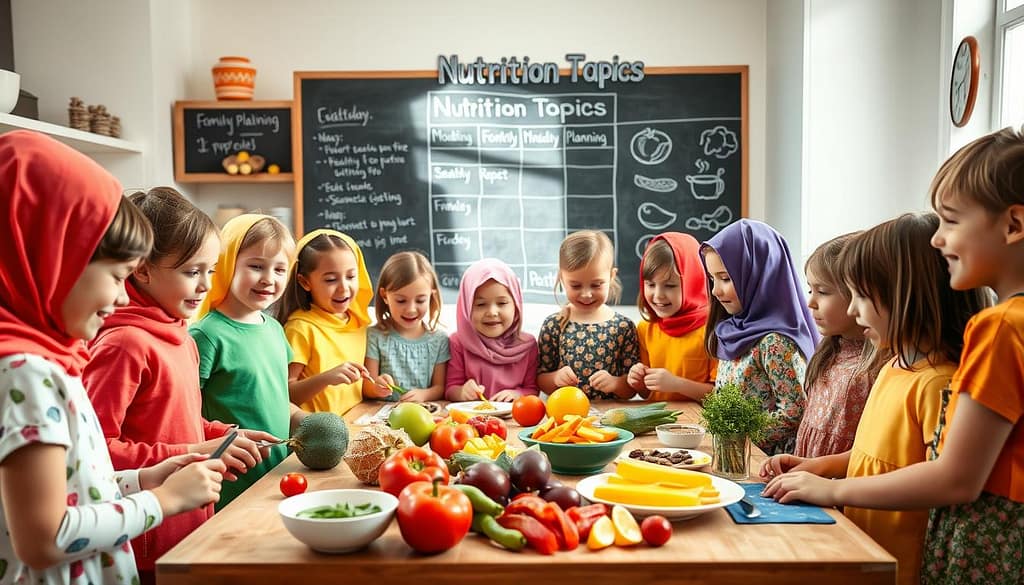
Research shows that school lunches often fall short, and canteens can be unhealthy. The biggest challenge is reaching parents who are busy and stressed, when they need help the most.
Plan your series like a detective story. Each post tackles a different problem, making advice more engaging and relatable.
- The Case of the Soggy Sandwich: Learn how to pack lunches that stay fresh.
- The Mystery of the Missing Vegetables: Discover how to get kids to try new foods.
- The Holiday Sugar Heist: Find ways to enjoy festive treats without overdoing it.
- The Weeknight Dinner Deadline: Get quick, healthy recipes for busy weeknights.
This approach does more than give advice. It entertains and understands the struggles of parents. You’re solving a puzzle together, every week.
Find topics by listening to parents and experts. School pickup lines, forums, and doctor’s offices are great places to start. Address real issues like the lack of regulation in school meals to make your content relevant.
The key is to keep going. Each post should connect to the last one and hint at the next. Use cliffhangers to keep readers coming back for more.
By consistently providing valuable insights, you become a trusted source. Your blog becomes a go-to resource for parents, helping them navigate the challenges of family nutrition.
A weekly blog series on family nutrition is more than a marketing tool. It’s a commitment to helping parents. It turns daily struggles into stories that parents can relate to and find solutions in.
Video Content Creation: Cooking Demonstrations with Nutritional Explanations
Imagine a cooking video where the star isn’t a perfect chef, but a child’s flour-dusted hands learning to knead dough. This is the opposite of the usual, perfect cooking shows. It’s where real learning starts.
Why does this messy authenticity work? It’s because of embodied cognition. Doing something creates neural connections that talking about it can’t. Feeling the crunch of broccoli, smelling it roast, invites you in.
This is the heart of a great family meal planning blog. Your videos should show the journey of making food, not just the recipe. The Teachable Tastes model is a good example: it’s simple, involves both parents and kids, and focuses on the process, not perfection.
To teach in a way that’s easy to understand, focus on the process, not the perfect result. Show the slightly clumsy egg crack. Use quick cuts to explain the why. Why olive oil? Talk about its monounsaturated fats and its role in Mediterranean culture.
You’re combining the “how-to” with the “why-it-matters.” A recipe video becomes a mini-documentary on exploration. This turns passive viewing into an experiential primer. The texture of dough, the scent of basil—these are the culinary cliff notes that stick.
Not all cooking demos are created equal. For a family meal planning blog aiming to educate, your video strategy needs intent. The following table breaks down the archetypes, helping you choose the right tool for the lesson.
| Video Type | Core Focus | Production Vibe | Pedagogical Strength | Ideal For |
|---|---|---|---|---|
| The “Perfect Plate” Demo | Recipe fidelity, presentation | Polished, high-gloss | Technical skill building | Parents seeking weekend project inspiration |
| The “Why We Eat This” Explainer | Nutritional & cultural context | Casual, talk-to-camera | Building food literacy & curiosity | Addressing “what’s the point?” questions |
| The “Little Hands” Tutorial | Process & kid involvement | Authentic, slightly messy | Embodied learning, reducing food fear | Getting children engaged in weekly prep |
| The “Pantry Raid” Challenge | Improvisation, reducing waste | Energetic, unscripted | Problem-solving, flexibility | Busy weeknights with limited ingredients |
| The “Cultural Deep Dive” | Story, origin, tradition | Documentary-style | Connecting food to broader world | Expanding palates beyond the familiar |
The “Little Hands” tutorial and the “Why We Eat This” explainer are your secret weapons. They turn your channel from a mere recipe repository into a trusted kitchen companion. The result? Families don’t just watch. They feel equipped to do. And that’s the ultimate conversion for any educational content.
Downloadable Resources: Meal Planning Templates and Nutrition Checklists
In today’s world, a PDF can be incredibly powerful. It turns nutrition coaching content into something you can use every day. For parents, these tools help make healthy choices easier.
Meal planning templates are more than just a list of meals. They help you organize your week. Studies show that planning tools improve your nutrition knowledge and habits. They make deciding what to eat for dinner less stressful.
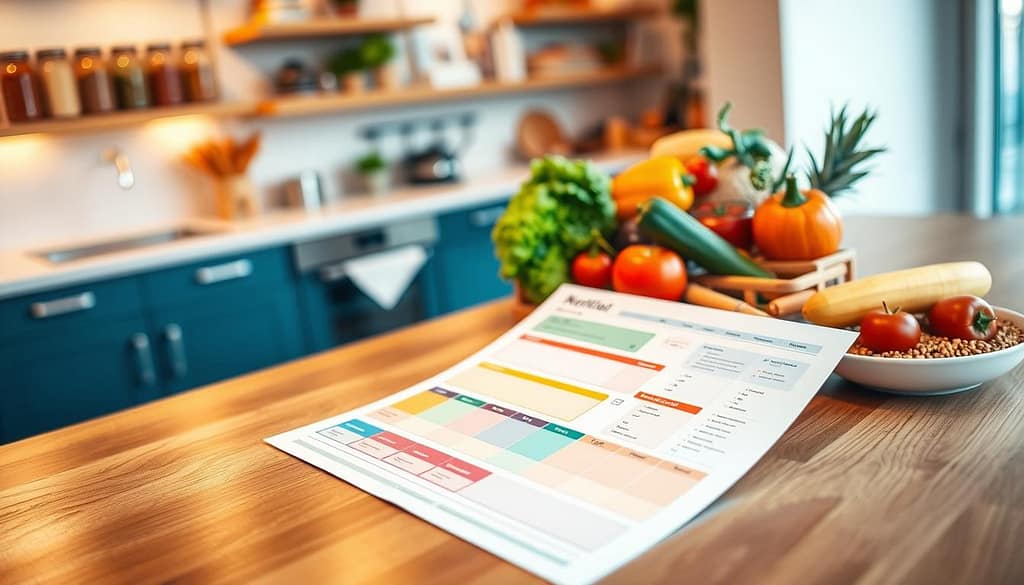
Nutrition checklists for school lunches are also very helpful. They make healthy eating concrete. You can check off items like protein and veggies. This makes healthy choices feel achievable.
These resources are key to your coaching philosophy. They should be easy to use and reflect your brand’s personality. Imagine a checklist with fun categories like “Crunch Factor Achieved?”
Our modern world lacks structure, and PDFs can help. They give parents the framework they need. These documents are like a guide for making healthy choices.
So, what makes these resources great? Here are a few reasons:
- Reduced Friction: They simplify complex decisions.
- Visual Clarity: They are easy to read and understand.
- Brand Extension: Your brand stays visible in your clients’ homes.
- Measurable Action: Checklists help you see your progress.
The best nutrition coaching content empowers, not just educates. Meal plans and checklists promise a better week. They are your clients’ allies in making healthy choices.
Webinar Strategy: Interactive Sessions on Family Nutrition Topics
Forget the static lecture; the modern webinar is like a digital campfire. Here, parents come together to share tips for winning the daily food battles. This is where your family nutrition education turns into a real conversation. Why? Because a one-way information dump often fails to engage the very parents who need it most.
We’ve all been there. You read an article, nod, and then the lunchbox crisis hits at 7 AM. Theory meets chaos. A webinar’s superpower is live, collective problem-solving. Structure sessions as moderated discussions, not lectures. Think “Navigating the Birthday Party Sugar Avalanche” or “Packed Lunches: A Survival Guide.”
This interactive format directly tackles the challenge of reaching busy or skeptical parents. Use real-time polls to diagnose common struggles. “Raise your hand if the snack aisle causes decision paralysis.” Open the floor for Q&A to address specific anxieties. This turns abstract advice into actionable, personalized tactics.
The magic isn’t just in the answers you provide. It’s in the shared experience. When a parent hears another say, “My kid only eats white foods,” the isolation melts. You’re leveraging social proof and communal learning, which neuroscience tells us is critical for embedding new habits. You’re not just a presenter; you’re a facilitator.
For deeper dives, use breakout rooms (for adult-focused sessions) to let parents brainstorm solutions together. This transforms passive viewers into active participants in their own family’s food story. You’re building a community of practice, not just an audience.
This approach is backed by research stressing the importance of social context for durable habit formation. For a masterclass in this model, explore the expert-led webinars that pioneer this interactive space. The goal is enlightenment through conversation, turning the daunting task of healthy eating into a shared, and even witty, journey.
Email Newsletter Education: Weekly Tips for Healthy Family Living
A good family nutrition newsletter feels like a personal note. It should be a trusted friend’s advice on your kitchen counter. The inbox is a special place. Fill it with junk, and you’re spam. Share real, useful tips, and you’re a welcome friend.
Our data shows that people spend twice as long on our “Expert Tips” section. This proves families are looking for quick, reliable advice they can use right away.
The micro-intervention strategy is perfect here. Instead of too much info, share one key tip each week. It’s like drip irrigation for your content, slowly and steadily changing things.
What does a micro-intervention look like? It might be highlighting in-season produce, like strawberries in June. Or, it could be debunking a popular “health” food bar’s high sugar content. Sometimes, it’s just a reminder of the power of being a good role model. The aim is to make small, easy changes that add up over time.
The tone is key. Be analytical but caring. Funny but not flippant. You’re not lecturing; you’re sharing a clever insight, like why a certain snack isn’t as healthy as it seems.
| Newsletter Style | The Broadcast Blast | The Sage’s Note |
|---|---|---|
| Intention | To sell or announce everything at once. | To educate and connect with one clear idea. |
| Content | Multiple product features, event lists, generic articles. | One focused topic, like “The Lazy Parent’s Guide to Veggie Prep.” |
| Tone | Corporate, distant, and promotional. | Conversational, insightful, and subtly clever. |
| Result | High unsubscribe rates, low engagement. | High open rates, trusted authority, and gradual habit formation. |
This method turns your newsletter into a cherished ritual. Subscribers look forward to that weekly tip. Over time, these healthy eating tips for families add up. A child might try a new veggie, or a parent might rethink their shopping list.
The real win isn’t just an email opened. It’s the gradual, collective move towards better choices. It’s about being consistent, not just sending a lot of emails. This builds a strong foundation for healthy family living.
Social Proof Integration: Featuring Families Who’ve Improved Their Eating Habits
The most powerful kids nutrition content isn’t a recipe or checklist. It’s a family’s story of change. Branded advice often falls short, but social proof can break through.
Our brains love to follow what others do. Seeing someone else succeed makes us more likely to try it too. This is why shared practices and belonging are key to lasting dietary changes.
Forget about influencers with perfect meals. Real heroes are the parents dealing with the 6 PM meltdown. Show the messy, real-life champions who conquered broccoli or made peace over soup.
Real stories have a big impact. A quote from a pediatric professional can be very powerful:
“As a pediatric speech therapist, I use your meal planning templates constantly with families. They’re the first resource that doesn’t feel clinical—it feels like a lifeline.”
This statement adds credibility that no blog post can match. Or listen to a mom on the front lines: “My picky eater tried carrots because he saw a video of a kid his age, with a messy kitchen just like ours, doing it. We turned a corner that night.” This is more than content; it’s a true story.
To use this power well, focus on these real story angles:
- The Specific Victory: Share the exact change, like one vegetable or recipe that made a difference.
- The Relatable Setting: Show the chaos, like homework and sibling fights. Real-life mess is more believable than perfect scenes.
- The Emotional Payoff: Share the relief, pride, and less stress. The nutritional benefits are important, but the peace in the family is what grabs attention.
Using this proof means more than just adding a few quotes. It’s about creating a chorus of real voices. This turns your kids nutrition content from advice to a shared success story. When parents see their struggles reflected and overcome, your content becomes inspiring.
Partnership Content: Collaborating with Pediatricians and School Nutrition Programs
The most powerful content marketing is quiet, not loud. It’s found in a doctor’s handout or a teacher’s lesson plan. This shows the power of the credibility economy. Your authority grows when trusted institutions back you up.
Mott’s is a great example. They didn’t rely on flashy ads. Instead, they teamed up with pediatric nutritionists like Jill Castle and Angela Lemond. This made their advice seem like expert wisdom, not just marketing.
Working with experts boosts your message. It’s like adding a multiplier to your content. Parents are more likely to listen to nutrition tips during a doctor’s visit than on social media.
Schools are also key in teaching healthy habits. But teachers are busy, and the curriculum is full. The “health class” hour is a rare chance to teach about eating well.
This is an opportunity, not a problem. You become a problem solver, not just a content creator. You help teachers by providing ready-made lessons on balanced meals. You also create engaging materials for the school nurse’s office.
Here are two ways to approach this:
- The Waiting Room Play: Work with a local pediatric practice to create a guide on “Navigating Picky Eating.” Your logo is there, but your help is huge.
- The Classroom Insert: Make a lesson plan on reading food labels for home economics classes. You help teachers by solving their problem.
By doing this, you become part of the community, not just a voice in it. Your family meal planning blog turns into a tool for doctors and teachers. This is how you build a lasting legacy, not just traffic.
This approach wins over skeptical audiences in a way ads can’t. When a trusted figure gives a parent your guide, it instantly gains credibility. Your content is not just seen; it’s approved. In a world full of conflicting advice, that approval is priceless.
Content Performance Measurement: Engagement Metrics and Lead Generation Tracking
Your analytics dashboard is like the final exam for your educational strategy. If you’re not measuring, you’re just guessing. It’s time to focus on data that shows you’re actually teaching.
The Mott’s campaign is a great example. They saw a 14% increase in brand purpose association. They also saw a 33% increase in time spent on recipes and a 90% increase in purchase intent. This shows a clear shift from vague awareness to specific actions.
Your own metrics should show how people are moving from casual interest to deep engagement. Did someone who read your blog then download the meal planner? How long did they watch the cooking demo before looking for more info? Did a webinar attendee later ask for a nutrition coaching consultation? This shows how your content is helping people.
This feedback loop is key for improving your nutrition coaching content. It helps you see what’s truly helping families and what’s not. By tracking these signals, you can focus more on what works. This makes your educational efforts more effective and efficient.
Measuring your content’s performance is not just about numbers. It’s about making sure your teaching method is working. It helps you improve your strategy for real-world impact.