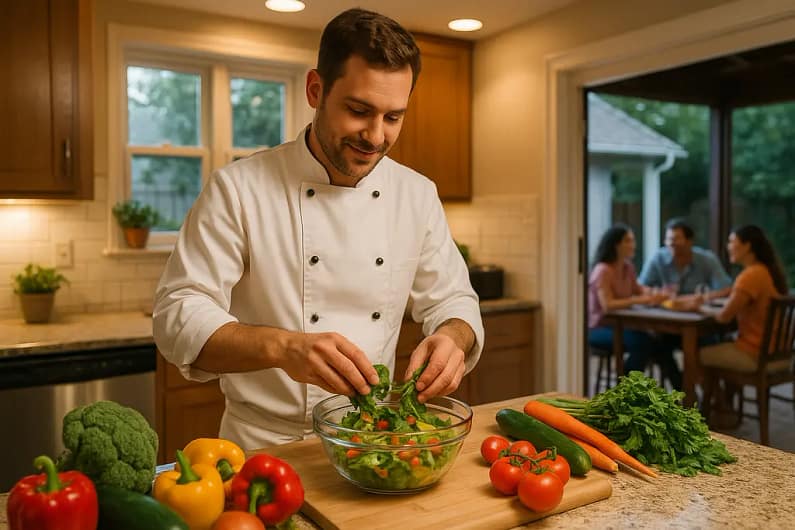
Dining Priorities are changing because clients are asking for more than a special meal. They want convenience, personal fit, and a calmer way to eat well at home. For personal chefs, that shift is not just a marketing note. It affects scheduling, pricing, shopping, menu planning, and the kind of relationship a chef builds with each household.
The market signals support that change. Grand View Research reported that the global personal chef services market was valued at USD 16.62 billion in 2024 and projected to reach USD 24.2 billion by 2030, with a 6.7% compound annual growth rate from 2025 to 2030, according to its personal chef services report. That does not mean every chef should raise prices tomorrow or add every possible service. It does mean chefs should read client requests carefully and build offers that protect both the guest experience and the business.
Why Dining Priorities Are Moving Home
Many clients are not choosing between restaurants and home cooking in a simple way. They may still value dining out, yet want weekday meals, private dinners, or family gatherings handled at home. Research notes demand from busy individuals and families who value professionally prepared meals at home, along with interest in personalized meal plans for dietary restrictions and preferences.
Dining Priorities And Client Budget Signals
For chefs, Dining Priorities show up in the first conversation. A client may say they are tired of takeout, want less weeknight stress, or need meals that fit gluten-free, vegan, or low-carb preferences. None of those requests should be treated as a small side note. They shape the labor required, the shopping list, the prep schedule, and the number of revisions a chef should expect before the service feels settled.
From a financial management view, the safest response is to price the service around work performed rather than the number of dishes alone. A five-meal weekly prep job with several dietary limits can require more planning than a small dinner party with a fixed menu. If the quote ignores consultation time, recipe testing, label preparation, or sourcing requests, the chef may win the booking but lose margin.
Home Dining Still Carries Restaurant Expectations
Clients who book private meals often bring restaurant expectations into the home: pacing, presentation, flavor balance, and a feeling that the evening has been planned. Chefs should respect that expectation while being clear about what a home kitchen can support. Equipment, counter space, refrigeration, parking, and cleanup rules all affect the final service.
Restaurant dining still shapes how guests think about hospitality. For instance, a related dining site such as De Novo Montclair illustrates how guests remember not only what was served but also how relaxed and cared for they felt during the meal. Personal chefs can borrow that service mindset without copying a restaurant format that may not fit a client home.
What Clients Are Asking Personal Chefs To Solve
The current demand is practical. Clients want help with time, decision fatigue, and meals that match household routines. The opportunity for chefs is to turn those needs into clear service packages instead of offering a loose promise to cook whatever the client wants.
Convenience Without Losing Choice
Convenience does not mean clients want generic meals. The research points to demand for custom meal planning around dietary preferences and health goals. Chefs should avoid giving medical or nutrition advice unless they hold the right professional credentials. A better business practice is to ask clients for their required restrictions, preferences, disliked ingredients, allergy information, and any guidance from their own health professional when relevant.
The service agreement should explain how menu approvals work. For example, a chef might send a draft menu three days before shopping, allow one revision, then finalize the grocery list. That process gives clients a voice while preventing a last-minute scramble that erodes profit. It also makes the client experience feel organized, which is often what they were hoping to buy in the first place.
Private Dining At Home
Research also points to rising interest in intimate, high-quality dining experiences at home. This is different from weekly meal prep. Private dining may require more event planning, more rental coordination, and a tighter timeline. The chef should define whether the fee includes shopping, menu planning, cooking, service, cleanup, travel, and any assistant labor.
A strong private dining quote separates food cost from professional fee where appropriate. That helps clients understand why a dinner for eight people is not priced like eight takeout entrees. It also protects the chef if ingredient costs change or the client requests a premium product. Clear payment terms, deposit rules, and cancellation terms are not cold or unfriendly. They are part of keeping the hospitality work sustainable.
Turning Demand Into A Service Model

Fortune Business Insights identifies several industry themes, including digital booking tools, AI-based meal planning tools, sustainability practices such as zero-waste kitchens and local sourcing, and subscription-based personal chef services in its market forecast. These ideas can help chefs, but only if they fit the operation.
Subscriptions Need Clear Boundaries
Subscription-style service can help a personal chef plan cash flow and keep client relationships steady. It can also become draining if every week starts from zero. The service should state how many meals are included, how many servings, which days are available, how changes are handled, and what happens during client travel weeks.
Chefs considering standing appointments can learn from the shift toward weekly personal chef services, where regular bookings often depend on clear prep plans and predictable communication. The business benefit is not just repeat revenue. It is better forecasting for grocery buying, assistant staffing, route planning, and administrative time.
Digital Tools Should Support The Relationship
Digital booking and meal planning tools may reduce back-and-forth messages, but they should not replace judgment. A form can collect dislikes and preferred proteins. It cannot fully read the household rhythm: who eats late, who reheats lunch, who hosts relatives often, and who gets bored after two repeats. Chefs should use tools to save time on routine information, then apply their experience to build a service that feels personal.
There is also a cost question. Software fees, payment processing, upgraded scheduling tools, and menu platforms should be weighed against saved labor time and improved client retention. If a tool saves one hour per week but costs more than that hour is worth, it may not be the right choice yet. Good systems should make the chef more consistent, not just more busy.
Dining Priorities As A Personal Chef Planning Tool
The most useful way to read demand is to turn client language into operational choices. If people want convenience, the chef needs service windows, menu deadlines, and reheating instructions. If they want personalization, the chef needs an intake process and a revision policy. If they want local sourcing or lower-waste cooking, the chef needs supplier options, seasonal flexibility, and a way to explain substitutions.
What To Review Each Month
A chef does not need a large office team to manage the business well. A simple monthly review can reveal where profit is leaking. Track planning time, grocery time, cooking time, travel time, cleanup time, and client messages. Then compare those hours with revenue collected for each service type. Patterns will appear quickly.
- Which jobs feel organized, profitable, and repeatable?
- Which clients request frequent changes after menus are approved?
- Which service types create the most unpaid shopping or messaging time?
- Which menus produce useful leftovers without requiring extra labor?
- Which client requests should become a premium add-on rather than a free courtesy?
This review also helps chefs decide whether to add revenue lines. Some chefs may benefit from private dinners, freezer stocking, cooking lessons, or pantry reset services. Others may be better served by a narrower weekly prep model. For a broader view of options, this discussion of profitable revenue streams can help frame the decision around margin rather than excitement alone.
Treat Dining Priorities as a planning tool, not a slogan. The chefs who benefit most from this shift will be the ones who ask better questions before booking, price the full scope of work, and build systems that let hospitality and profit sit at the same table. That is how a personal chef service becomes easier for clients to say yes to and easier for the chef to sustain.