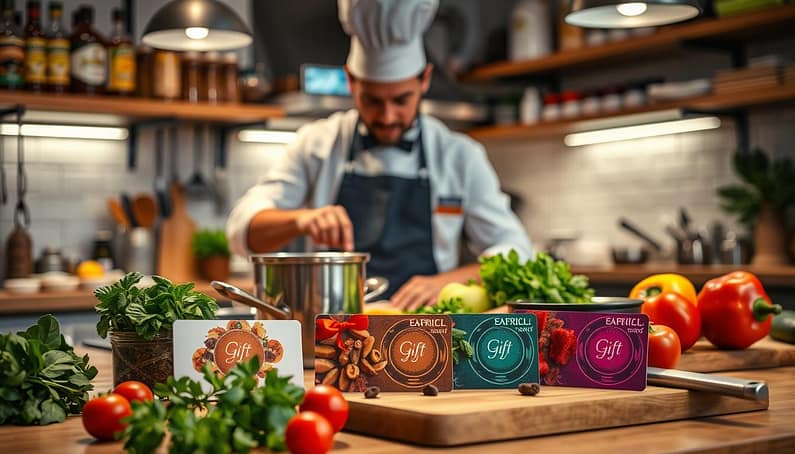
The idea that “if you cook it, they will come” is shaky. Many talented chefs ignore their profit and loss statements. It’s not just about making a great beurre blanc. It’s about finding new ways to make money.
Think of this as a guide for your business, awarding stars for profit and efficiency. Why just feed people when you can build a whole business around food? This journey feeds your mind and your clients’ wallets.
There are many ways to grow, like gift cards and wellness programs. The goal is to offer a variety of services that attract and keep clients. Let’s explore the strategies to grow your personal chef business.
For more tips on managing your finances and increasing your earnings, check out this comprehensive guide.
Core growth lanes more families higher AOV added services seasonal offers
In the culinary world, relationships are more important than the food. It’s time to move from just hosting dinner parties to building lasting connections with families. This change is not just about serving meals; it’s about creating a consistent experience that families love.
Think of it like Netflix, but instead of shows, you’re serving dinners every week. By turning one-time clients into recurring revenue through family subscriptions, you get a steady income. This way, you can build trust and loyalty, making your income as stable as a perfect soufflé.
Moving Beyond the Transactional Dinner Party
While transactional gigs are good, they can feel like a revolving door. To grow your business, consider upselling services that make dining better. For example, adding a cooking class or meal prep to a family meal can increase your average order value. It’s not about charging more; it’s about solving your clients’ next problem.
The Psychology of the Family Subscription
Subscriptions meet a need for consistency and convenience. Families are busy, and they don’t want to stress about dinner. By providing a subscription service, you’re not just selling meals; you’re giving them peace of mind. This approach builds a deeper connection, turning clients into loyal fans.
Seasonal Offers That Don’t Scream “Desperate”
Now, let’s talk about seasonal offers. Please, avoid the pumpkin spice rush in September. Real, scarcity-driven moments can create excitement. Think of the first heirloom tomato or the elusive morel mushroom season. These aren’t just discounts; they’re special culinary experiences that make people feel they’ll miss out if they don’t try them.
For more tips on promoting special events and seasonal menus, check out this helpful guide.
Corporate wellness demos lunch and learns remote cook alongs compliance tips
Forget the boardroom; the real power in corporate wellness resides with HR professionals. These gatekeepers are on the hunt for engaging corporate lunch options. They want to break the monotony of sad desk salads. Enter the “lunch and learn”—a delightful blend of culinary education and team bonding.
Why HR Departments Are Your New Best Friend
HR departments are the unsung heroes of corporate wellness programs. They’re not just looking for another boring seminar. They crave innovative team building activities that resonate with employees.
Offering a live, interactive cooking demo can elevate your pitch from forgettable to unforgettable.
Designing a “Lunch and Learn” That Isn’t a Snooze-Fest
To craft a “lunch and learn” that keeps everyone awake, focus on the experience. Imagine a virtual cooking class where participants don’t just watch but actively engage. Provide them with the mise en place, and let them whip up a delicious dish under your guidance.
This approach transforms the mundane into a memorable event. It combats Zoom fatigue one risotto at a time.
Remote Cook-Alongs: Conquering the Zoom Abyss
In a world where remote work is the norm, remote cook-alongs serve as your Trojan horse into the hearts of dispersed teams. You send the ingredients, and they bring the enthusiasm. This format not only fosters camaraderie but also positions you as the culinary hero.
You made Dave from accounting master a risotto.
The Unsexy Necessity of Dietary Compliance
Now, let’s address the elephant in the room: dietary compliance. While it may not be the most glamorous topic, mastering dietary restrictions is essential. By ensuring your offerings meet various dietary needs, you not only protect yourself from lawsuits.
You also demonstrate to corporate clients that you are a serious operator. This level of professionalism can be your competitive moat in a crowded market.
| Aspect | Importance | Benefit |
|---|---|---|
| HR Engagement | High | Access to wellness programs |
| Interactive Demos | Medium | Enhanced team bonding |
| Dietary Compliance | High | Legal protection |
| Remote Activities | Medium | Increased participation |
Pantry resets grocery tour kid knife skills allergy kitchen audits
A pantry reset is key to turning a messy space into a tidy haven. It’s more than just tidying up; it’s about reconnecting with your kitchen. Imagine opening your pantry and feeling calm, not chaos. That’s the magic of a pantry reset, and yes, you can charge for this service.
Now, let’s talk about grocery tours. You’re like a culinary bodyguard, guiding clients through the grocery store. You’re not just a chef; you’re a ninja at reading labels. You teach shoppers to avoid junk and make healthy choices.

Next, we have kid knife skills. This isn’t about a Lord of the Flies scene. You’re selling sanity to parents. Imagine teaching kids to chop shallots like pros. It’s not just cooking; it’s about nurturing a love for food while keeping parents calm.
Lastly, let’s look at allergy kitchen audits. In a world full of food allergies, making a home safe is a big deal. This audit gives families peace of mind. You become their trusted expert, making sure their kitchen is safe for all.
Sports season boost high protein snack boxes and tournament weekends
When sports season starts, feeding young athletes is a big challenge. Parents struggle to find good snacks. But you can be the hero, providing high-protein snack boxes that beat out gas station hot dogs.
Performance packs are a big help. Parents want healthy snacks that keep their kids going. You can make boxes with protein-rich foods that taste great and are good for them.
Fueling the Next Generation of Benchwarmers and MVPs
Sports tournaments mean hungry players and worried parents. This is your chance to shine! Imagine feeding a bunch of hungry teens and tired parents during a long gap between games.
By delivering post-game meals or team dinners, you become a lifesaver. While parents deal with their own stress, you keep everyone happy and fed.
The Tournament Weekend: A Logistical and Culinary Goldmine
Tournament weekends mean lots of group catering demand. You can offer cooking classes as a “parents’ night out.” This lets kids carb-load while parents relax and learn new cooking skills.
Adding cooking classes to your menu is smart. It’s not just about food; it’s about making money from the whole sports scene. Every meal you serve helps parents relax during the sports chaos.
Add ons breakfasts smoothies baby puree meal plans and dessert jars
Upselling in personal chef services is an art. The main dish pays the bills, but add-ons fund your vacation. By adding meal prep options, you boost customer happiness and your earnings.
Think about cooking dinner on Tuesday. Why not offer tomorrow’s breakfast, ready and waiting? This is where the magic happens. Say, “Would you like fries with that?” It’s a classic upsell, but in cooking, it’s more exciting.
The magic words: “Would you like fries with that?”
Upselling is about creating an experience. Imagine smoothies that are more than just fruit. They’re “bespoke morning fuel protocols.” Each sip is a special start to the day, making healthy snacks feel luxurious.
Baby purees: capturing the lifetime value of a tiny human
Baby purees are more than mashed peas. They’re about shaping a tiny human’s taste before they can walk. By providing nutritious purees, you’re not just selling food. You’re building trust with parents and shaping future tastes.
Dessert jars and the art of the micro-luxury
Dessert jars are tiny luxuries that make life better. Picture a Weck jar tiramisu saying “I have my life together.” Dessert catering is about small pleasures without guilt. These add-ons are valuable to clients but cost you little, making them a great deal.
| Add-On Type | Perceived Value | Marginal Cost | Potential AOV Boost |
|---|---|---|---|
| Breakfasts | High | Low | Medium |
| Smoothies | Medium | Low | High |
| Baby Purees | High | Very Low | Medium |
| Dessert Jars | High | Low | High |
In conclusion, add-ons can greatly improve your service. They tap into a simple truth: once a client has chosen you, extra delights are a small cost. By adding these options, you increase your earnings and enhance your clients’ lives.

Pricing bundling and margin guardrails
Your pricing strategy is more than just numbers; it’s a key to unlocking revenue. Understanding how to effectively bundle your services can significantly enhance your profit margins. It’s not just about charging for your time; it’s about creating perceived value that makes clients eager to spend more.
When we talk about bundling, we’re not just throwing together a few services and calling it a day. Think of it as crafting a lifestyle solution. For instance, a “Weekly Family Reset” package that combines dinner preparation, pantry restocking, and a kid’s snack box doesn’t feel like a hefty $600 expense. Instead, it presents itself as an essential investment in family well-being.
Stop Trading Time for Money: The Bundle Logic
Why trade your precious time for a few bucks when you can bundle services to create a more enticing offer? The bundle logic allows you to obscure the direct costs of your time while enriching the overall value. It’s a clever way to ensure that clients see the worth in what you provide, not just the price tag.
The “Decoy” Pricing Strategy for Chefs
Let’s talk about the decoy effect. By introducing a premium package, you can make your target bundle look like a steal. Imagine a luxury dinner experience at $150 alongside your standard package at $85. Suddenly, the $85 option seems more appealing, and your clients are more likely to choose it. This psychological trick can be a game-changer for your pricing strategy.
Margin Guardrails: Protecting Your Profit from Your Own Generosity
Now, let’s get to the unsexy but critical part: margin guardrails. These are the non-negotiables that protect your profit. Define how many customizations you allow before a surcharge kicks in. Set clear travel radius limits before adding delivery fees. And don’t forget to price premium ingredients appropriately. These guardrails ensure that your generosity doesn’t erode your bottom line.
| Service | Base Price | Bundle Price | Perceived Value |
|---|---|---|---|
| Weekly Family Reset | $600 | $500 | High |
| Luxury Dinner Experience | $150 | $85 | Medium |
| Grocery Store Tour | $100 | $75 | High |
Remember, your generosity is a product; price it correctly. With the right pricing strategy, you can not only enhance your profit margins but also provide exceptional value to your clients.

Sales calendar month by month campaigns
Every chef knows that a well-planned sales calendar is key to success all year. A good promotional calendar helps you manage busy seasons and keeps your offerings fresh. Here’s how to make each month a chance to boost your sales.
January: Detox and “New Year, New You” Mania
January is more than just recovering from holiday food. It’s a time for a cultural reset. Offer detox programs and wellness packages to tap into the “New Year, New You” vibe. Show how your services can help clients start their year off right.
April: Spring Cleaning and Allergy Season Prep
April is the perfect time for spring cleaning, both at home and in diets. Provide pantry resets and meal prep audits for allergies. Position your services as essential for families looking to refresh their eating habits and get ready for allergy season.
September: Back-to-School Family Chaos Mitigation
September is chaotic for families with school and activities. Offer meal planning and quick dinner solutions to help parents. Your services can be a lifesaver for families trying to keep up.
December: The Corporate Gift Card Blitz
December is all about corporate gift cards. Focus on promoting holiday gift cards as the perfect gift. Remember, you’re not just selling a card; you’re giving a “Chef’s Table Experience” that creates lasting memories.
| Month | Campaign Focus | Key Offerings |
|---|---|---|
| January | Detox Programs | Culinary Wellness Packages |
| April | Spring Cleaning | Pantry Resets, Allergy Audits |
| September | Back-to-School | Meal Planning Services |
| December | Corporate Gift Cards | Chef’s Table Experience |
Plan a 12-month voucher campaign calendar to keep clients coming back and drive new bookings. Use a homepage banner during key seasons to remind clients of your offers. A proactive approach helps you create campaigns when clients are most likely to buy. For more seasonal marketing tips, check out this seasonal marketing playbook.
Tracking CAC conversion and attach rates
Metrics are the unsung heroes of a successful culinary business. To scale your personal chef service, understanding key business metrics is essential. Let’s break down three key components: Customer Acquisition Cost (CAC), conversion rates, and attach rates.
Customer Acquisition Cost: What’s a Client Actually Worth?
Do you know how much it costs to bring a client through your door? This is where Customer Acquisition Cost (CAC) comes into play. It’s not just about the dollars spent on ads; it’s also about the time invested in engaging with clients. For instance, if you’re spending hours chatting with a prospective client on Instagram, your CAC could be alarmingly high.
If that cost exceeds the profit from their first booking, you’re facing a culinary conundrum.
Conversion Rates: From Instagram Lurker to Paying Patron
Next, let’s talk about conversion rates. How many of those social media admirers actually book a consultation? Tracking this metric is key for conversion rate optimization. You want to transform those likes on your delicious sourdough pics into actual bookings.
A tighter funnel can significantly boost your revenue. Aim for a conversion rate that reflects the quality of your engagement strategies.
Attach Rate: The Silent Killer of Profitability
Lastly, we have the attach rate. This metric indicates the percentage of clients who say “yes” to your add-ons. A low attach rate isn’t a client problem; it’s a presentation problem. If you’re not tracking the average spend above the base service, you might be leaving a hefty 20-30% revenue uplift on the table.
Remember, data isn’t the enemy of creativity; it’s the foundation that lets you afford to be creative.
| Metric | Ideal Range | Notes |
|---|---|---|
| Redemption Rates | 70–85% | Indicates client satisfaction and engagement. |
| Average Spend Above Voucher Value | +20–30% | Reflects the effectiveness of upselling strategies. |
| Breakage Rate | Under 10% | Measures unused vouchers; lower is better. |
| Corporate Order Share | 15–20% | Shows how much of your business comes from corporate clients. |
Outreach templates pitch deck and email copy
Your culinary skills deserve a sales pitch that matches their flair. Many outreach efforts are dull, like a list of ingredients. Let’s make it better. The cold email should excite the recipient, not bore them.
It should solve their problems, like boosting employee engagement. Show how your “lunch and learn” can help tackle the $87 billion crisis of disengagement in the workplace.
Now, think about your pitch deck. It should be short and look great. Focus on three key questions: Why you? Why this? Why now? Keep it brief. Include a pricing page that shows your value confidently.
Remember, less is more, but don’t undervalue what you offer.
Email marketing can be your secret weapon. Create sequences that build relationships, not annoy. After a service, don’t just say, “Hope you enjoyed the meal.”
Invite clients to share their experience with a link to a gift card for friends. This boosts client outreach and builds a community around your brand.
Give your staff business templates to make outreach easier. Provide short, repeatable scripts for corporate orders. Encourage them to pitch to HR departments for staff recognition or client rewards.
By automating post-visit emails with voucher prompts, you turn your charm into a scalable asset.