
Ever feel like a culinary genius in a kitchen that nobody visits? The U.S. personal chef industry is a $1.2 billion stage. But, your act won’t sell if you’re performing for an empty house. You can’t nourish a neighborhood you don’t understand.
This is like reading the room before you turn on the stove. Success here isn’t about a perfect béarnaise. It’s about diagnosing the specific aches of your community.
Generic demographics are a recipe for bland results. True local family chef SEO begins with this hyper-local interrogation. It’s the market validation that separates a sustainable service from a forgotten flyer.
Once you’ve mapped this terrain, you’re ready to build a strategic network. This turns community insight into a self-sustaining client base.
Google My Business Optimization: Family-Friendly Photos and Service Descriptions
When a parent searches “personal chef near me” on their phone, your Google My Business profile is the first thing they see. It’s not just a listing; it’s your digital storefront. You’re not just competing with other chefs. You’re up against takeout, frozen pizza, and the exhaustion of making decisions.
Start with the visuals. Photos of food in a sterile setting scream “corporate catering.” But a photo of you, the chef, in a real kitchen says “friendly expert who gets it.” It’s like choosing between a reality TV show and a documentary.
Your service description is where you show your personality. Don’t say “professional cooking services.” Talk directly to the problems parents face. Show how you’re the solution to their nightly worries.
- Consultation & Menu Planning: “We start by listening. We consider allergies, picky eaters, and nutritional goals to create a plan that fits your family.”
- True In-Home Meal Preparation: This is your highlight. Talk about the aroma of real cooking in their kitchen, the lack of delivery boxes, and the convenience of having a chef handle the cooking.
- Packaging & Storage: “We leave meals ready-to-heat, with clear instructions, so Tuesday’s chaos doesn’t ruin Monday’s masterpiece.”
- Sparkling Clean-Up: This is a big deal. “We leave your kitchen cleaner than we found it” is a promise of peace that parents will love.
Next, add specific examples. Instead of saying “healthy options,” describe them. Talk about a Black Bean Burger that even teens will like, or a Mediterranean Protein Box for after soccer practice. These details make your promises real and exciting.
Lastly, summarize your unique value. Your profile should say: I am the friendly professional who shows up, cooks food your family loves, and cleans up the culinary chaos. It’s about the personal touch, solving the problem, and saving time. When optimized, your Google My Business listing doesn’t just answer “personal chef near me.” It answers “who can fix dinner?”
Location-Based Content Strategy: Neighborhood School Nutrition and Local Health Events
Forget being just a chef; become the local nutrition sage. Know which school district banned artificial dyes and which farmer’s market has the best heirloom tomatoes. Generic food content is a crowded, noisy room. Your ticket out is a strategy with a specific ZIP code.
This isn’t about blogging for the world. It’s about publishing for the three-block radius around the elementary school. A location-based content strategy positions you as the informed neighbor, not the distant vendor. It answers the questions parents are actually asking between soccer practice and grocery runs.
Let’s start with the cafeteria. Every school district has a nutrition policy—some are pioneers in farm-to-school programs, others are wrestling with peanut allergy protocols. Your content can bridge that gap. Write a guide dissecting your local district’s policy. Translate the legalese into actionable family meal planning tips.
If the policy emphasizes whole grains, showcase a “Balsamic Marinated Chicken” with farro. If nut-free zones are strict, detail your platform’s advanced filtering for allergen-safe menus—a direct application of that tech capability.
Next, tap into the pulse of local health events. Did the community center host a pediatric nutrition workshop? Recap it. Analyze the takeaways and offer a complementary weekly meal plan. This does two things: it shows you’re physically present in the community, and it provides immediate, practical value.
A post titled “3 Takeaways from the Maple Street Health Fair & This Week’s Dinner Plan” is pure local gold.
Seasonality gets a hyperlocal twist. Don’t just write “summer salads.” Write “Summer Salads Featuring Tomatoes from the Riverdale Farmer’s Market.” This creates a tangible connection. It tells local families you shop where they shop and care about the same seasonal rhythms.
A “Herb & Cheese Quiche” becomes a story about supporting local dairy farms.
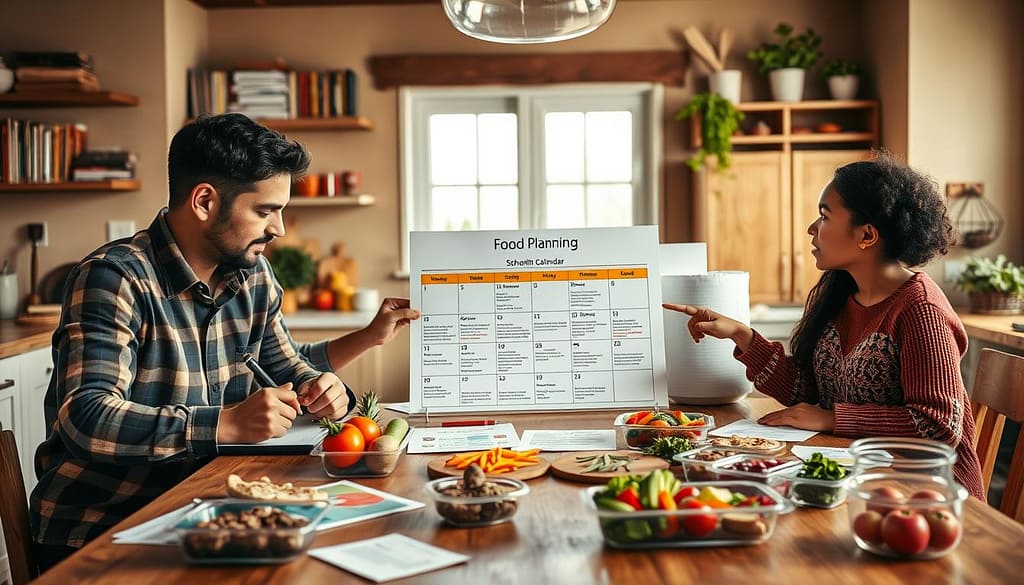
Think of this strategy as a three-pronged attack on genericism. Each content pillar serves a distinct purpose and plugs directly into local search queries.
| Content Type | Local Hook | Sample Topic/Meal Integration | Core SEO Benefit |
|---|---|---|---|
| School Nutrition Deep-Dive | Specific school district policies, PTA meeting topics | “Navigating Lincoln Elementary’s Sugar-Free Zone: A Week of Sweetener-Smart Snacks” | Targets long-tail searches like “[Town Name] school lunch ideas” |
| Community Event Recap & Meal Plan | Local health fairs, library cooking demos, park district wellness classes | “After the Fair: A 5-Day Plan Inspired by Today’s Diabetes Prevention Talk” | Captures traffic from event-related searches and establishes topical authority |
| Seasonal Market Guide | Specific farmer’s markets, CSA pick-up locations, local harvest schedules | “Farmers’ Market Bounty: A Saturday Haul Turned Into a Week of Dinners” | Rank for local market terms and seasonal produce queries |
The result? You’re no longer just selling a service. You’re providing a contextualized solution. When a parent searches for help with their district’s new nutrition guidelines, your guide appears. When they look up last weekend’s health fair, your recap offers the next step.
This strategy builds trust on a block-by-block basis. It turns your culinary expertise into community intelligence, making family meal planning local not just a task, but a connected, informed experience.
Parent Review Strategy: Encouraging Local Family Testimonials and Google Reviews
In the world of family trust, a five-star rating is just the start. What really matters is a story that speaks to another anxious parent at midnight.
We live in a time where everything gets a Yelp review. A simple “great service, delicious food” review gets lost in the digital sea. Parents need to know if you can handle special diets or make mealtime fun.
A good review system sets you apart. It’s not about begging for stars. It’s about building social proof that addresses local parents’ biggest mealtime worries.
So, what makes a great testimonial for your healthy family cooking services? It’s a story, not just a rating.
- The Specific Problem: “We struggled with our daughter’s dairy intolerance and my son’s dislike of green foods.”
- The Professional Solution: “The chef didn’t just meet our needs; she taught us how to make ‘green power pasta’.”
- The Transformational Result: “We had a peaceful family dinner for the first time in months. It was all about talking, not forcing food.”
To get these stories, you need to ask the right way at the right time. The best time is 24-48 hours after your service, when the relief is fresh.
Make your ask specific. For example, “We’re glad Leo loved the hidden-veggie meatballs! If you have a moment, could you share your experience on Google? Your review helps other families with similar needs find us.”
This turns a happy client into a local advocate. Their real story builds trust much better than any ad. It’s social proof at its strongest. For more on this, check out how to use client testimonials for in your marketing.
Your collection of local parent stories is your most powerful marketing tool. It’s a living record of solved problems and more family time. In a world full of slick ads, these real, messy, and relatable stories are what truly count.
Community Event Participation: Local Health Fairs and School Nutrition Programs
Forget backlinks for a second; the most powerful local SEO signal might just be a firm handshake. Woody Allen was wrong about showing up being 90% of life, but for neighborhood nutrition services, it’s 90% of local relevance. Algorithms crawl data, but families build trust face-to-face.
You can have a perfectly optimized Google My Business profile. Your location pages might be masterpieces. But if you’re just another icon on a map, you’re competing on price and pixels. The real differentiator? Becoming a familiar, friendly face in the community’s physical spaces.
The strategy is a simple pivot: from digital visibility to physical utility. Stop just posting about nutrition. Start demonstrating it where your ideal clients gather. School wellness nights, PTA meetings, local health fairs at the community center—these are your new front lines.
The goal isn’t to be a walking brochure. It’s to offer tangible value that online content can’t match. A live, 10-minute demo on whipping up a stress-free dinner. A workshop for kids (and baffled parents) on decoding nutrition labels. A candid Q&A on the real-world battle against picky eaters. This is where “Nutrition-Driven Planning” becomes a shared experience, and “Luxury Made Simple” is something you can taste.
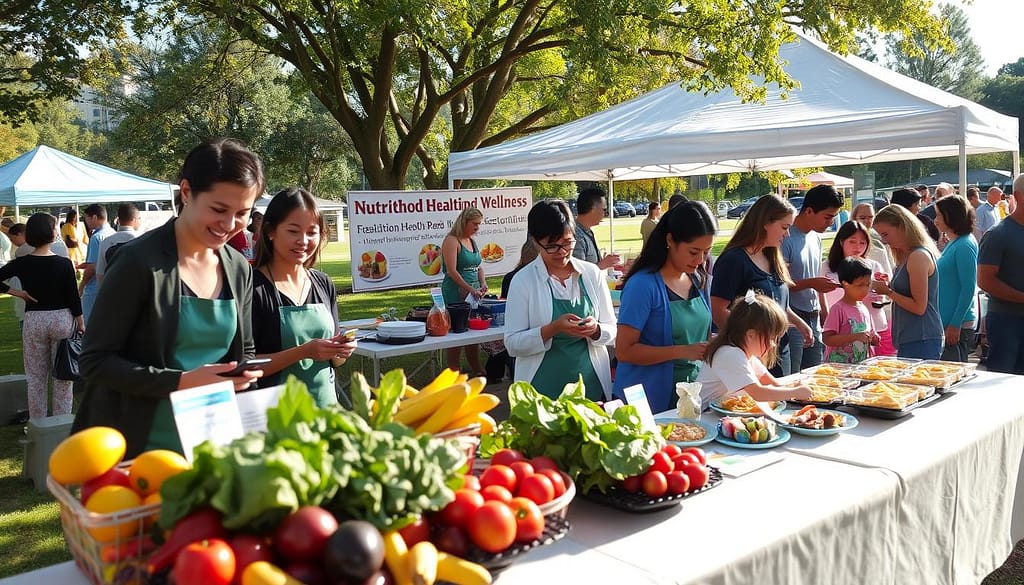
This active participation is the ultimate embodiment of your service. You’re not just a chef for hire; you’re a local resource. You’re building the kind of connections no algorithm can replicate but that every algorithm will eventually notice. Those conversations become referrals. Those referrals become reviews. Those reviews become undeniable local authority.
Not all community events are created equal, though. Your time is precious. To maximize your local SEO impact, you need to be strategic about where you show up and what you do. Think of it as an investment in local trust equity.
| Event Type | Primary Audience | Your Value Proposition | Expected Local SEO Impact |
|---|---|---|---|
| School Wellness Fair | Parents, Teachers, School Administrators | Interactive “Build-a-Balanced-Lunchbox” station; quick tips for energy-packed snacks. | High. Direct access to family decision-makers; possible school partnership mentions and local parent blog features. |
| PTA Meeting | Engaged, Vocal Parents | Short presentation on “Family Dinner Survival Strategies”; offer a free workshop as a raffle prize. | Very High. Builds deep trust with community influencers; leads to powerful word-of-mouth and authentic reviews. |
| Local Health Fair | Health-Conscious Community Members, All Ages | Live cooking demo focusing on simple, wholesome recipes; one-on-one nutritional Q&A. | Moderate to High. Broad brand exposure; establishes you as a general health and wellness authority in the area. |
| Community Farmers Market | Food-Savvy Locals, Seasonal Shoppers | Demo using seasonal market produce; discuss “farm-to-table” simplicity for busy families. | Moderate. Great for brand alignment with localism; excellent for social media content and tagging local vendors. |
Each handshake, each demo, each answered question is a node in your local network. This physical groundwork creates what I call the algorithmic echo. Your business name gets mentioned in local Facebook groups. You’re tagged in photos from the school event. A local news site covers the health fair. These are the local signals that cement your status as the definitive neighborhood nutrition services provider. The web follows where the community leads.
Local Partnership SEO: Collaborating with Pediatricians, Schools, and Family Service Organizations
Your most powerful SEO tool might be the pediatrician’s waiting room. Imagine a parent flipping through a magazine, worried about their child’s eating habits. Your brochure could be right next to an article on healthy snacks. This is local family chef SEO at its best, blending digital and physical efforts.
No chef works alone. Trust is key, and trust grows through networks. You aim to connect with local influencers like pediatricians, yoga studios, family therapists, and real estate agents. They all help families in different ways.
This isn’t just about getting referrals. It’s about creating value for everyone. When your name appears on school blogs, pediatric clinics, and realtor packets, search engines take notice. Your local rankings get a boost.
So, what’s the plan? First, map your local community. Identify who families trust. Here’s a list of key allies and how to work with them.
| Partner Type | Mutual Value Opportunity | Local SEO Impact |
|---|---|---|
| Pediatrician’s Office | Provide guest blog posts on childhood nutrition for their website. Offer a “first consultation” discount for their patients. | Earns a valuable .edu or .org backlink. Your service becomes a trusted, cited resource. |
| Family-Focused Yoga Studio | Co-host a “Postnatal Nutrition & Wellness” workshop. Cross-promote on social media. | Increases local brand co-citations. Boosts “near me” search relevance for a health-conscious demographic. |
| Real Estate Agent | Create a “Stress-Free Move-In Meal Package” for their new homeowner clients. Establish a formal referral fee. | Associates your service with hyper-local neighborhood keywords (e.g., “family meals in Maplewood”). |
| School PTA / Nutrition Committee | Volunteer to speak at a PTA meeting about lunchbox ideas. Sponsor a “Healthy Family Dinner” challenge. | Generates positive local press and mentions on school district sites, which are authority hubs. |
| Corporate Concierge Service | Become a vetted provider for busy executive families relocating to the area. | Taps into a high-intent, high-value client stream. Builds commercial citations in business directories. |
The magic happens when you give back. Don’t just ask for a link. Offer real value. Can you write for the community center newsletter? Provide meals for a self-care group? This turns your marketing into a real conversation.
These partnerships create a ripple effect. One connection leads to another. The yoga instructor talks about you to the doula, who talks to new parents. You become a part of the community, not just a search result.
For more ideas on building these networks, check out these community marketing strategies for small K-12 schools.
In the end, local family chef SEO goes beyond algorithms. It makes your service a part of the neighborhood’s life. People call you because their trusted advisors recommend you. That’s real authority.
Geographic Service Area Definition: Optimizing for Suburbs and Family-Dense Neighborhoods
The “personal chef near me” search is a hyperlocal plea. It needs a precise approach to mapping your territory. Casting a wide net is for fishing, not for building a premium, trusted service. Precision in your defined service area is key to your local SEO strategy.
A parent in a sprawling suburb isn’t just looking for a chef in the city. They’re looking for a solution that fits into their chaotic schedule. A 45-minute drive for your chef means cold food and a frustrated customer. By defining a tight, logical geographic zone, you eliminate this friction before a search even begins. You become the obvious, convenient answer.
This demands a shift from guesswork to demographic archeology. You need data. Tools like the U.S. Census Bureau’s American FactFinder, local school district enrollment reports, and even real estate platforms are your tools. The goal is to find the sweet spots: family-dense suburbs, affluent urban clusters with young professionals starting families, and established communities with disposable income for lifestyle services.
Once you’ve mapped your target zones, your entire online presence must echo this specificity. Your Google My Business profile should list these suburbs and neighborhoods explicitly in your service areas. Your website copy should speak directly to them. Swap “Serving the Metro Area” for “Personal Chef for the Green Meadows and Willow Creek Communities.” This isn’t just semantics; it’s their neighborhood you’re talking about.
Your content and messaging should pivot based on the neighborhood archetype. An affluent urban cluster might value gourmet, dietary-specific meals for busy dual-income parents. A established suburb might prioritize large-batch, kid-friendly weekly prep. This table breaks down the targeting strategy:
| Neighborhood Type | Primary Demographic Signal | Recommended Service Angle | Key Local SEO Keyword Integration |
|---|---|---|---|
| Established Family Suburb | High % of school-aged children; stable, high homeownership rates. | Weekly meal prep, allergy-friendly kids’ menus, back-to-school packages. | “family meal prep [Suburb Name]”, “healthy kids dinners near me” |
| Affluent Urban Cluster | New condos, high average income, proximity to business districts. | Diet-specific gourmet meals (Keto, Vegan), intimate dinner party chef services. | “private chef [Neighborhood Name]”, “gourmet weekly meals downtown” |
| New Development / Master-Planned Community | Recent population boom, younger families, active community forums. | Introductory “Try a Chef” offers, focus on convenience for new residents. | “personal chef near me” in new community groups, “meal service for busy families” |
Implementing this is straightforward but critical. Start with a 10-15 mile radius from your kitchen base, then refine it using your data. Exclude areas that are logistically challenging or demographically mismatched. Update every digital footprint: website service pages, GMB, directory listings, even your social media bios. Consistency is your megaphone to these micro-communities.
This hyper-specific targeting does more than just improve your Google ranking for local searches. It drastically increases perceived relevance. When a parent in Oak Hill sees you’re the dedicated personal chef near me for Oak Hill, not just the entire county, trust forms faster. You’ve already solved the logistics problem in their mind. You’ve reduced the acquisition friction to almost zero. That’s the power of defining your battlefield not by the miles you can cover, but by the neighborhoods you can truly own.
Mobile Local Search: Optimizing for Parents Searching on Phones During Busy Schedules
Parents don’t decide to hire a personal chef on a lazy Sunday. It’s often in the school pickup line at 4:45 PM. Or in the grocery store parking lot at 6 PM on a Wednesday.
Your mobile site is not just a smaller version of your desktop site. It’s your 24/7 salesperson, working the hardest shifts. It’s where parents find or dismiss family meal planning local services.
Site speed is key. A two-second delay can mean ordering pizza. Your mobile page must load faster than a toddler’s mood changes.
The click-to-call button is essential. It’s a lifeline. Make it big, bold, and impossible to miss. A distracted parent shouldn’t have to hunt for your number.
The booking form should be simple. Name, email, preferred date. Done. Asking for more is like expecting a detailed meal plan during a toddler meltdown.
But technical optimization is just the start. Your content strategy is where the magic happens. Quick-read blogs solve immediate problems. Think “5 Ingredients for Wednesday’s Win” or “The 10-Minute Meal Plan Template.”
These aren’t epic culinary essays. They’re survival guides for the overwhelmed. Your content should read like a text from a helpful friend, not a textbook.
Your menus need to be mobile-optimized, too. Large, clear photos. Simple scrolling. No pinching or zooming required. A parent should be able to browse options with one hand, perhaps while holding a baby with the other.
This is where true family meal planning local solutions separate themselves from generic services. Your mobile presence should scream “I get your chaos.” It should offer Done-For-You Convenience without the user having to dig for it.
Consider the booking process itself. It should be simple enough to complete during a soccer practice. Flexible scheduling options must be front and center. No grocery runs, no dishes—these aren’t just benefits. They’re promises of reclaimed time.
Platforms like Thumbtack or Yelp see heavy mobile browsing with filters for “family-friendly” and “weekly plans.” Your mobile site must speak this language instantly. Your first headline shouldn’t be about gourmet credentials. It should be about saving Wednesday.
What does a winning mobile strategy look like in practice? It’s a site that loads instantly. It’s a call button that works with one tap. It’s a three-field form that captures the essential details. Most importantly, it’s content that understands the daily grind.
Your mobile site is your most persistent employee. It works through naptimes, during commutes, and in the precious minutes between activities. Optimizing for family meal planning local search means building for these fractured moments of attention.
Forget the desktop conversion funnel. The real journey begins with a frustrated search on a small screen. Your job is to make that journey feel less like a chore and more like a discovery. You’re not just selling meal plans. You’re selling sanity, one mobile-optimized page at a time.
The parent scrolling at 5:30 PM doesn’t want a culinary revolution. They want a solution that works right now. Your mobile presence is that solution. Make it count.
Seasonal Local Content: Community-Specific Holiday and Back-to-School Nutrition Content
A “healthy Thanksgiving” blog post might not excite everyone. Families need a guide that fits their local seasonal chaos.
Google’s algorithms favor fresh content, but families follow the school calendar and holidays. The key is to match your content with your community’s unique pace.
This approach makes your healthy family cooking services stand out. You become the go-to expert for the busy season.
Imagine a year-long content plan that answers parents’ real-time questions. It’s like a strategic playbook.
Forget about national trends. Focus on what matters locally. For example, what’s the Halloween candy policy at your school? That’s a great topic. Or, how to pack a lunch for a hot day in August?
| Season / Timeframe | Local Community Trigger | Content Idea Example | Featured Dish & Connection |
|---|---|---|---|
| Late August | Back-to-school week, sports tryouts | “No-Heat Lunchbox Guide: Meals That Survive the Backpack Black Hole” | Mediterranean Orzo Salad: Packable, full of veggies, holds up without refrigeration. |
| October | School Halloween party, local fall festival | “Navigating the Sugar Rush: Balanced Dinners After the School Halloween Parade” | Sweet Potato & Black Bean Enchiladas: Nutrient-dense, comforting, offsets candy overload. |
| Summer (e.g., Phoenix, AZ) | Extreme heat advisory, pool season | “No-Cook Summer Survival Series: 5 Dinners Without Turning on the Oven” | Chilled Cucumber Avocado Soup, Mason Jar Salads. Ties service directly to local weather pain points. |
| December Holidays | Local tree-lighting ceremony, school break | “Festive & Fast: 30-Minute Dinners for the Holiday Chauffeur Schedule” | One-Pan Lemon Herb Salmon & Roasted Veggies. Addresses time poverty during busy events. |
This table is more than a list. It’s a relevance engine. Each topic is tied to a local event, not just a date.
Your service will show up in searches when families need it most. You’re not just selling meals; you’re selling sanity and solutions.
This strategy builds ongoing visibility. Parents will bookmark your back-to-school guide. They’ll search for you next October. You become a trusted, dynamic resource.
So, understand your community’s rhythm. Look at the school calendar, local festivals, and weather changes. Then, let your content and menu meet the demand.
Local Competition Analysis: Differentiating from Meal Kit Services and Local Competitors
So you’re scanning the local landscape. HelloFresh boxes pile up on porches. A local restaurant’s lukewarm delivery arrives. Is this really your competition?
Let’s reframe the battle. Meal kit services sell generic menus and a pile of dishes. They are a transaction. Your service is a transformation. Think of Cozymeal, which built an empire on experience, not just ingredients.
Your audit reveals their soft spots: hidden fees, cold food, and the dreaded cleanup. Your strength is the warm, personalized meal prepared in a family’s own kitchen. This is the core of true neighborhood nutrition services.
You aren’t selling a cardboard box. You’re selling back an hour of a parent’s evening. You offer peace of mind, not just protein. This customized solution is your ultimate local differentiator.
Winning locally means defining the contest on your terms. While others deal in commodities, you deal in care. That’s how a neighborhood nutrition service becomes indispensable.