
Social media has become a practical part of personal chef marketing, not just a place to post pretty plates. As of July 1, 2026, Worldmetrics reported that more than 40% of private chefs used social media as a primary marketing channel, while referrals were the second-most cited source at about 30% private chef industry statistics. That matters because a client who is thinking about booking often wants proof before making contact: sample menus, serving style, kitchen confidence, client fit, and a sense of how the chef communicates.
For working chefs, the lesson is not to post more for the sake of posting. The stronger move is to connect content with the booking path. A good feed should answer the questions a prospect would normally ask during a first call: what kind of meals do you prepare, who do you serve, how does scheduling work, and what makes your service feel dependable in a home setting?
Why Personal Chef Marketing Is Moving To Social Media
Social Proof Now Sits Beside Referrals
Referrals still carry weight because food service is personal. Clients invite a chef into their home, share preferences, and often expect a level of discretion. Social media does not replace that trust; it gives prospects a way to confirm it before they ask for availability.
For personal chef marketing, this means every post should have a job. A photo of a finished entrée can show skill, but a short caption explaining the service context can do more: a weekday family dinner, a small anniversary meal, a batch-prep session, or a client who prefers simple comfort food over formal plating. That service detail helps the right client picture the booking.
Market Growth Raises The Need For Clarity
The personal chef category has room to grow, which also means clients may compare more options. Grand View Research listed the United States personal chef services market at about US$4,752.2 million in 2025 and forecast it to reach US$7,029.2 million by 2033, with a 5.1% compound annual growth rate from 2026 to 2033 U.S. personal chef services market outlook. A growing category rewards chefs who can explain their offer in plain language.
That clarity should show up in bios, pinned posts, short videos, and inquiry forms. If your service is weekly meal preparation, say that. If you focus on intimate dinners, say that. If you work with families, busy professionals, seniors, or clients who want restaurant-style entertaining at home, make the service fit visible without overpromising.
Build A Feed That Helps Clients Book
Show The Service, Not Just The Plate
Food photos are still useful, but personal chef clients are often buying relief as much as flavor. They want to know whether dinner will feel organized, whether the kitchen will be respected, and whether the meal will suit the occasion. That is why behind-the-scenes content can be more persuasive than a single polished dish.
Useful posts might show labeled containers ready for delivery, a prep station before service, a plated first course for a private dinner, or a simple before-and-after view of a family meal setup. Keep client privacy in mind. Do not show addresses, personal belongings, children, guest faces, or private notes unless permission has been clearly given.
Restaurant pages can also teach chefs how to present an experience with calm, direct language. For instance, De Novo Montclair demonstrates how dining decisions are influenced not just by the food, but also by the setting and ambiance, reminding us that confidence originates from more than just the culinary offering.
Match Content To The Booking Questions
A client-friendly feed does not need to be complicated. It needs to remove doubt. If a prospect has to guess whether you travel, how far ahead to inquire, or whether you provide shopping and cleanup, the feed is doing too little work.
- Service type: Explain whether you offer recurring meal prep, private dinners, event cooking, consultations, or a mix.
- Booking area: Name the towns, neighborhoods, or general service radius you cover.
- Menu process: Describe how you gather preferences and build options without giving nutrition or medical advice.
- Client fit: Show examples of occasions, household needs, or dining styles you support.
- Next step: Use a clear inquiry form, email link, or booking call prompt.
For chefs focused on families, health-conscious households, or recurring weekday cooking, this related article on social media marketing for family clients pairs well with a service-first content plan.
Turn Engagement Into Consultations
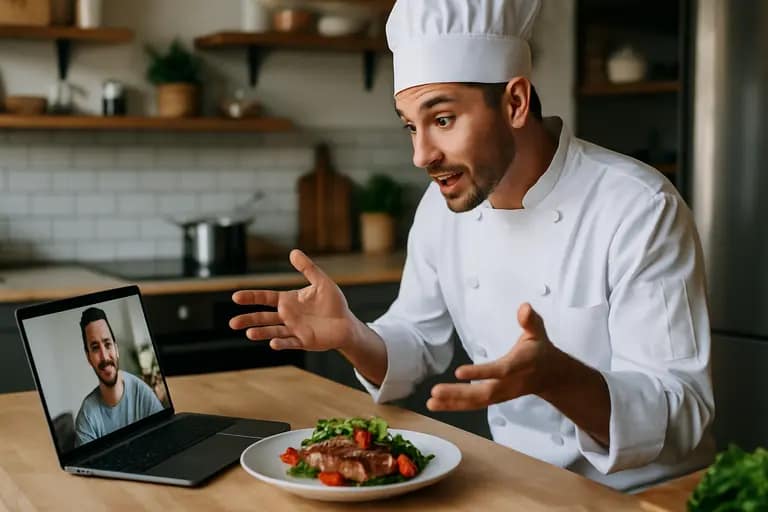
Make Personal Chef Marketing Easier To Act On
Likes and views feel encouraging, but personal chef marketing should reduce friction between interest and inquiry. A person who saves a dinner post may not be ready to book that day. A person who sees three clear examples of your service, reads how the process works, and finds a simple contact path is much closer.
Start with the profile basics. The bio should state what you do, who you serve, and where you work. Pinned posts can cover your service menu, client process, and sample meal styles. Highlights or albums can group recurring meal prep, private dinners, client comments, press mentions if verified, and frequently asked questions.
Calls to action should sound human. “Send your date and guest count” is more useful than a vague prompt. “Ask about weekly meal prep availability for September” gives a prospect a clear first message. Strong wording saves time for the client and the chef.
Track The Signals That Matter
Not every metric deserves the same attention. A high-view video is useful if it brings qualified inquiries, but less useful if it attracts people outside your service area or outside your price range. Chefs should track a few simple signals: profile visits after posts, inquiry form submissions, direct messages that mention a specific service, consultation bookings, and clients who say they found you through a social post.
Keep a short source note in your client intake system. If someone says “Instagram,” ask what they saw: a Reel, a plated dinner photo, a testimonial, or a shared post from a past client. Over time, those answers show which content supports bookings rather than only attention.
As a booking strategist, I prefer simple tracking that a solo chef will actually use. A spreadsheet with date, platform, post topic, inquiry source, and booked revenue can be enough. The goal is not to act like a large agency. The goal is to learn which content brings good-fit conversations.
A Practical Personal Chef Marketing Plan
Use A Weekly Content Rhythm
A practical plan can be built around three content types each week. First, post one service example: a dinner format, a meal prep setup, or a special occasion structure. Second, post one trust builder: a client process note, a verified testimonial excerpt, or a short explanation of how you shop and plan. Third, post one personality piece: a favorite seasonal ingredient, a quick kitchen lesson, or a calm behind-the-scenes clip.
This rhythm keeps the feed balanced. Prospects see food, process, and person. That combination is especially helpful for in-home service because clients need to feel confident about both skill and fit.
Keep The Offer Easy To Understand
Strong personal chef marketing should make the next step obvious. If your service depends on consultation, say so. If menus are custom after intake, explain that in plain terms. If dates book quickly around holidays or weekends, invite earlier inquiries without creating false urgency.
The best social strategy for a personal chef is not the loudest one. It is the one that shows real service, respects client privacy, answers booking questions, and supports steady consultations. With social media now sitting beside referrals as a major client source, chefs who connect content to clear booking steps give themselves a better chance of turning casual interest into repeat business.