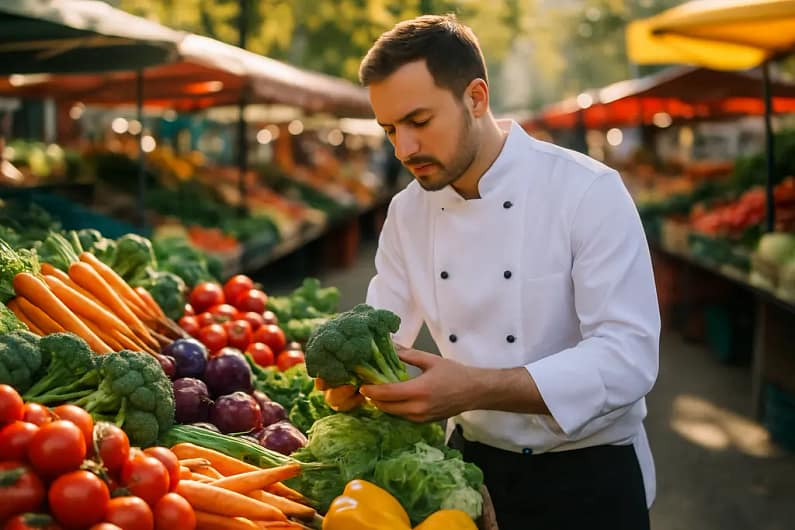
Eat Local Month began in Washington on September 1, 2026, following a proclamation by Governor Bob Ferguson. For personal chefs, that timing creates a practical business opening: clients are already hearing more about farms, seasonal ingredients, and restaurant specials, so a private menu can feel timely without needing a hard sell.
The best opportunity is not simply adding the word local to a menu. It is building a service plan that connects sourcing, pricing, prep time, and client expectations. Washington has a large agricultural base, but local purchasing still needs discipline. A chef has to know what can be sourced consistently, what costs more, how substitutions will be handled, and how the client will understand the value on the invoice.
Why Eat Local Month Fits Personal Chef Business Planning
Washington food is not a small niche. Washington-grown or processed food and agricultural exports totaled US$7.8 billion in 2025, according to the Washington State Department of Agriculture. That number matters for chefs because it signals a state food economy with wide public recognition. Clients may not know every farm name, but many understand that Washington ingredients have a serious place in regional dining.
Use Eat Local Month To Frame Value
For a personal chef, Eat Local Month can give structure to a September offer. Instead of promising a vague seasonal menu, set a clear format: one Washington-grown fruit feature, one farm vegetable side, one locally sourced grain or legume if available through your supplier, and one short note that explains the sourcing choices. This keeps the menu focused and protects the chef from overspending on too many specialty items.
From a financial management angle, the offer should be priced before it is promoted. Estimate ingredient cost, shopping time, mileage, prep labor, packaging, and any special client communication. If the sourcing plan adds an hour of market shopping, that hour belongs in the service cost. If the client asks for a fully local dinner for eight, that is a different cost structure than adding two local produce items to a weekly meal-prep plan.
Match Client Interest With Supply Reality
The strongest local menu is one the chef can actually deliver. September can be generous, but product availability still varies by region, weather, market schedule, and supplier relationships. A good client proposal should name categories rather than locking every dish too early. For example, write “Washington apple dessert or compote, based on market availability” rather than promising a specific variety before shopping.
This approach also helps protect margins. If a preferred farm item sells out or comes in higher than planned, the chef can adjust within the agreed category. Clients usually respond better to a confident substitution than to a surprise charge after the meal.
Build A Washington Sourcing Plan Clients Can Understand
Washington’s 2022 Census of Agriculture reported 32,076 farms and ranches across 13.9 million acres, with total farm product sales of US$12.8 billion; it also reported 3,564 farms selling directly to consumers, generating US$98.7 million in direct sales, according to the USDA agriculture census release. For chefs, direct sales can support good storytelling, but they also require planning because small suppliers may not operate like broadline distributors.
Choose Fewer Local Items And Explain Them Well
A menu with three well-chosen local items is often stronger than a menu with ten claims that are hard to verify. Clients do not need a lecture with dinner. They need a clean explanation: where the featured ingredient came from, why it fits the dish, and how it affects the eating experience. A roasted squash side, apple galette, or grain salad can carry a simple story without slowing service.
Chefs who want a deeper sourcing framework can use a related guide to hyper-local sourcing for personal chefs as a planning reference. The useful habit is to write sourcing notes before the shopping trip, not after. That forces each item to earn its place on the menu.
Plan Around Direct Sales And Farmers Markets
Buying directly can be rewarding, but it changes the workday. A chef may need to shop earlier, confirm quantities, bring coolers, keep receipts separated by client, and allow time for trimming, washing, or sorting produce. None of those tasks are a problem if they are built into the quote. They become a problem only when they are treated as free labor.
For client communication, keep the sourcing plan plain. A short pre-service note might say that the menu will feature Washington-grown produce where available, with final selections confirmed after shopping. That language is honest, flexible, and easier to defend than a rigid farm list that may shift by the time the chef reaches the market.
Price Local Menus Without Guesswork
Local sourcing can be profitable, break even, or lose money depending on how it is priced. The chef’s job is not to apologize for higher-quality purchasing. The job is to show the client what the service includes and to avoid burying extra labor in the food cost.
Separate Ingredient Cost From Service Cost
A practical invoice can separate the grocery estimate from the chef fee, or it can use a package price with a written description of what is included. Either way, the chef should track actual food cost after each booking. If the September local menu is priced at a small premium but takes twice as long to shop, the numbers will show whether the offer should be adjusted.
Build a simple margin review after the first two or three bookings. Compare quoted food cost against receipts, actual shopping time against planned time, and client response against the amount of explanation provided. If guests loved the apple dessert but barely noticed the local garnish, shift future spending toward the item that made the meal memorable.
Offer Clear Options Before Shopping
Clients appreciate choice when the choices are easy to understand. A chef can offer a standard seasonal menu, a Washington-featured menu with two or three local items, and a higher-touch sourcing menu that includes direct farm or market shopping. Each option should show how much notice is needed and whether substitutions are part of the agreement.
- Standard seasonal menu: efficient shopping, familiar pricing, local items used if they fit the budget.
- Washington-featured menu: a planned set of local produce or pantry items with a modest sourcing charge.
- Direct-market menu: more shopping time, stronger ingredient story, and a higher service fee.
This format lets clients choose based on budget and interest. It also keeps the chef from turning every local request into a custom financial puzzle.
Turn Local Ingredients Into Client Retention

One September booking can become repeat business if the chef records what worked. A local menu should be treated as a client research tool as much as a culinary offer. Which dishes earned comments? Which ingredients created cost pressure? Which clients asked for the producer name? Those answers help shape fall menus, holiday dinners, and weekly prep packages.
Make The Menu Story Useful
A good menu story is short and specific. “Washington apples bring sweetness and acidity to this pork dish” is more useful than a broad statement about supporting farms. If the client cares about producer details, add them. If the client mainly cares about flavor and convenience, keep the note centered on the plate.
Chefs can also study how restaurants and dining publishers describe place-based food without overloading the guest. For a broader view of neighborhood dining presentation beyond Washington, De Novo Montclair offers insights and examples within the same network that may provide additional guidance.
Track What Worked After September
After each service, record the menu, ingredient cost, shopping source, prep time, client comments, and any substitutions. This does not need to be fancy. A spreadsheet with five or six columns is enough. Over several bookings, the chef can see which local items support profit and which ones create too much friction for the price clients accept.
This record also makes next year’s planning easier. If apple desserts, late-summer vegetable sides, or market salad kits sold well, they can return as limited September features. If a specific sourcing route took too much time, the chef can replace it with a supplier that fits the business better.
Capitalizing On Eat Local Month In Washington
A chef does not need a large marketing campaign to make September work. The smarter move is a clear offer, a small sourcing plan, and clean pricing. Washington’s agricultural scale gives the theme credibility, while the client experience still depends on execution: good food, fair billing, and dependable service.
A Simple Eat Local Month Action Plan
Start with one menu template for the first half of September 2026 and one for the second half. Build each around ingredients that are likely to be available through your normal suppliers or markets. Quote the service with a sourcing line that accounts for time, not just groceries. Then send clients a short note after the meal describing the local ingredients they tasted and inviting them to request similar features in future bookings.
Treat Eat Local Month as a business test, not a one-off theme. If a personal chef can connect Washington ingredients to clear pricing and steady client communication, the September push can support stronger menus well after the observance ends on September 30, 2026.