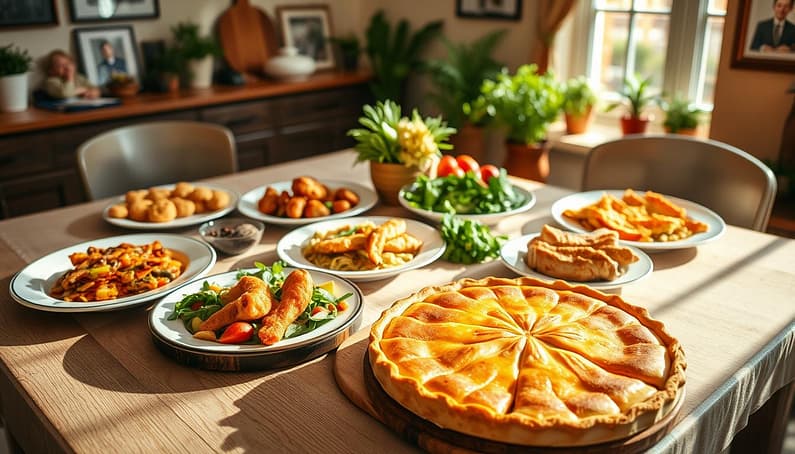
Let’s face it. Dinner time can feel like a tough negotiation. Kids often turn up their noses at anything green.
We aim to find a tasty peace. This isn’t just about recipes. It’s a strategic framework for your kitchen.
We’re moving away from making meals on demand. Our goal is a reliable, tasty meal that shows off your family’s taste. It must mix healthy ingredients with kid-friendly favorites like cheese, crunch, and dips.
Imagine a dinner so loved, it never causes a fight. That’s what we’re aiming for. We’ll mix expert advice with the realities of a busy week to make it happen.
Family-Friendly Signature Development: Balancing Nutrition with Kid Appeal
What if the secret to healthy family recipes wasn’t hiding vegetables but celebrating them in formats everyone loves? This idea is at the heart of creating signature dishes for families. It’s not about sneaking in healthy foods. It’s about making them a big part of the meal.
Imagine writing a song that teaches math. The melody must grab everyone’s attention. The math behind it must be solid. Your goal is to create something that’s both fun and educational.
Take the Smash Burger Taco. It starts with the taste of a burger that everyone loves. Then, it swaps a heavy bun for a flexible tortilla. This change makes room for lettuce, tomato, and avocado. Kids enjoy a tasty treat, while parents get a meal full of nutrients.
Consider the Mac & Cheese Stuffed Zucchini. It uses a favorite dish to sneak in veggies. Kids love the cheesy pasta. Parents get the benefit of zucchini and healthy fats.
This approach needs careful planning. What makes a dish appealing to both kids and adults? We’ve identified three key elements.
- Texture Contrast: Crunchy pretzel chicken with creamy sauce. The mix of textures is a hit with the senses.
- Familiar Flavor Profiles: Buffalo sauce, Sloppy Joe seasoning, orange chicken glaze. These flavors are trusted and need no introduction.
- Interactive Elements: Build-your-own burgers, wraps, or tacos. Letting kids assemble their meal distracts from any health concerns.
The table below shows how our dishes balance kid appeal with nutrition. It’s a guide for your own kitchen creations.
| Dish Name | Kid-Appeal Hook | Nutritional Strategy | The Strategic Compromise |
|---|---|---|---|
| Buffalo Chicken Wraps | Spicy, tangy sauce; fun finger food. | Lean protein, whole-grain wrap, adds celery and carrot sticks inside. | Keeps the fiery flavor kids love, but delivers it in a fiber-rich package with hidden veggies. |
| Sloppy Joe Orzo | Messy, sweet-tomato comfort food. | Uses ground turkey, whole-wheat orzo, sneaks in finely diced bell peppers and onions. | Maintains the classic, sloppy joy but upgrades the protein and grain while integrating vegetables into the sauce. |
| Mac & Cheese Stuffed Zucchini | The ultimate cheesy, creamy comfort. | Zucchini boat provides vitamins; recipe can use whole-grain pasta, reduced-fat cheese. | Doesn’t replace the mac and cheese; it re-homes it inside a vegetable, making the veggie part of the main event. |
| Smash Burger Tacos | Iconic burger taste in a fun, crunchy shell. | Lean beef, corn tortillas, layers with fresh lettuce, tomato, avocado. | Trades the starchy bun for a lighter vessel, creating natural space for fresh toppings and healthier fats. |
Notice a pattern? The compromise is never a loss. You don’t just swap out cheese for something healthier. You use the cheese wisely. You turn the taco, wrap, or bowl into a vehicle for health.
The result is food that’s both delicious and nutritious. This is the key to lasting healthy family recipes. When nutrition is a bonus, not the main event, you win. You get kid-approved nutrition without the daily battles.
Forget about blending spinach into brownies. The new strategy is about bold flavors, creative formats, and smart swaps. It’s about making healthy choices exciting. That’s a signature worth having.
The Hidden Veggie Strategy: Nutritious Dishes That Don’t Look Healthy
This is like a culinary Trojan horse, but with pureed squash inside. When dinner diplomacy fails, the Hidden Veggie Strategy is your best bet. It’s not about tricking anyone. It’s about making meals that are both healthy and tasty.
It’s all about sneaky cooking. The aim is to add lots of vitamins and minerals without making them obvious. This way, you can make healthy family recipes that everyone will enjoy.

So, how does it work? You become a master of flavors and textures. Roasted red peppers can hide in cheese sauce. Cauliflower can sneak into mashed potatoes, adding creaminess and fiber.
Mushrooms can blend into a meaty bolognese, adding flavor and nutrients without anyone noticing.
The web shows us how to do this cleverly. Let’s look at some examples.
| Stealth Dish | Secret Ingredient | Nutrient Win | Kid Approval Score |
|---|---|---|---|
| Mac & Cheese Stuffed Zucchini | Zucchini pulp (in the sauce) | Boosts Vitamin C, potassium, and hydration. | Off the charts. It’s just mac and cheese. |
| Black Bean Tostadas | Blended black beans in the “meat” | Packs in plant-based protein and fiber. | High. The crispy shell and toppings distract perfectly. |
| Indian Butter Chickpeas | Pureed tomatoes, cashews, and chickpeas | Delivers protein, iron, and healthy fats. | Surprisingly high. The creamy sauce is a winner. |
| Lentil Bolognese | Finely minced lentils & mushrooms | Hearty dose of plant protein and B vitamins. | Solid. It looks and tastes like a classic sauce. |
Each dish uses a familiar format. The healthy twist is hidden. This way, you can give your kids kid-approved nutrition without a fight. It’s a smart solution when kids don’t want to eat veggies.
Why does this work? Kids often eat with their eyes first. A visible broccoli can scare them off. But a creamy cheese sauce? That’s a different story. By mixing veggies into sauces or bases, you avoid the visual problem.
This approach is a win-win. Parents serve nutritious meals, and kids enjoy their food. Your collection of healthy family recipes grows. You’re not tricking anyone. You’re just being a clever chef.
So, go for the stealth. Use purees, blends, and fine dices to make family dinners healthier and more enjoyable.
Allergy-Adaptation Mastery: One Base Recipe, Multiple Dietary Modifications
Think of a great family recipe like a Lego set. It’s designed to be changed to fit any dietary needs. The chef doesn’t see special requests as a problem. Instead, they see it as a fun challenge.
The secret is in the design. It’s like systems-thinking for cooking. It turns stress into a calm, strategic move.
Let’s look at the Buffalo Chicken Wrap recipe. The real magic isn’t in the ingredients. It’s in the core concept: “spicy protein + cool crunch + creamy sauce in a portable vessel.” Each part can be changed.
- Protein Module: Chicken (original), baked tofu, chickpeas, or even cauliflower florets.
- Sauce Module: Dairy-based blue cheese, dairy-free ranch, or a tahini-lemon drizzle.
- Crunch Module: Classic slaw, shredded lettuce, or a quick-pickled cucumber ribbon.
- Vessel Module: Flour tortilla, gluten-free wrap, large lettuce leaf, or a bowl.
You haven’t changed the dish’s soul. You’ve just updated its parts. This way, you create a collection of allergy-friendly recipes that feel like real meals.
The real challenge is before you start cooking. It’s about finding the dish’s core flavor. Is it the tangy-spicy mix? The creamy-cool texture? The fun of eating it with your hands? Keep that core, and the rest can change.
This skill does more than feed people. It brings culinary peace of mind. When you can serve a meal that everyone can enjoy, you’re not just feeding. You’re building trust and inclusion with every bite.
Don’t memorize many recipes. Create one adaptable blueprint. That’s how you turn dietary restrictions into just another option.
Portion Control Education: Teaching Families About Appropriate Serving Sizes
In a world where ‘bigger is better’ has been the unofficial motto, portion control is a quiet hero. It’s the expert in a family’s nutritious meal portfolio. This isn’t about cutting down. It’s about being precise.
Think of it this way. We track screen time and soccer practice carefully. Yet, we often just eat until we’re full. This phrase is vague and not helpful.
Our analytical lens sharpens here. Let’s take the Buffalo Chicken Lettuce Wraps. The recipe gives exact calorie and nutrient information. This turns eating into a science.

This transparency is key for a trustworthy nutritious meal portfolio. It helps us understand our fuel needs. We’re not just filling a void. We’re meeting a need.
So, how does a “portion” look? For a child, it’s the size of their palm. For an adult, it’s the size of their hand. Vegetables? Aim for two fists worth for kids, even more for adults. This visual guide is more powerful than any scale.
The real magic happens in the meal’s structure. It guides intake naturally. Serve a hearty casserole in individual ramekins. The boundary is built-in. Create Cheeseburger Cups in a muffin tin. The format itself defines the limit.
These strategies make families active participants. They learn to listen to their bodies. Is this hunger or boredom? Thirst or habit? Portion control education gives them the words.
To make this concrete, here’s a framework for building balanced plates across different ages. This table isn’t a rigid rulebook. It’s a starting point for calibration.
| Age Group | Protein (Cooked) | Whole Grains (Cooked) | Vegetables (Raw/Cooked) | Healthy Fats |
|---|---|---|---|---|
| Toddler (2-3 yrs) | 1-2 oz (Matchbox car) | 1/4 cup (Large egg) | 1/2 cup (Small fist) | 1 tsp (Dime-sized) |
| Child (4-8 yrs) | 3-4 oz (Deck of cards) | 1/2 cup (Tennis ball) | 3/4 – 1 cup (Baseball) | 2 tsp (Two dimes) |
| Pre-Teen (9-12 yrs) | 4-5 oz (Smartphone) | 3/4 cup (Yogurt cup) | 1 – 1.5 cups (Two baseballs) | 1 Tbsp (Poker chip) |
| Teen/Adult | 5-6 oz (Checkbook) | 1 cup (Baseball) | 2+ cups (Two fists) | 1-2 Tbsp (Golf ball) |
Notice the shift from abstract cups to everyday objects. A deck of cards is more relatable than three ounces. This is the essence of practical education.
The goal is to build a family’s confidence. They can look at a plate and know it’s enough. They can enjoy a treat without spiraling. Their nutritious meal portfolio becomes a tool for empowerment, not a source of anxiety.
In the end, portion control is the quiet wisdom in a loud food culture. It asks us to be mindful. It turns every meal into a small, deliberate act of nourishment. And that might just be the most revolutionary item on the menu.
Cultural Fusion for Families: Introducing Global Flavors in Familiar Formats
Try sneaking global tastes into your family’s meals by using familiar dishes. Kids often don’t like new foods because they’re scared of the unknown. As parents, we should be like diplomats, not dictators.
Start by using dishes they already know and love. For example, call a creamy tomato dish with chickpeas Indian Butter Chickpeas. It tastes like tomato soup, which they probably like. Taco Lasagna and Enchilada Stuffed Shells are just new twists on old favorites.
This way, trying new foods is less scary. Beef & Broccoli Ramen is just a tasty upgrade from regular noodles. The new flavors are the exciting part, not the scary part.
Make the experience even more special by adding context. Play Mexican music while making quesadillas. Tell stories about where the dish comes from. Let them smell the spices before cooking.
This approach makes mealtime exciting and educational. You’re not just feeding them; you’re teaching them about new flavors. Your kitchen becomes a place of discovery, not just a place to eat. This is how you create family signature dishes that are both comforting and adventurous. It’s a smart move that food brands are using too.
The aim isn’t to make your kitchen a UN cafeteria. It’s to make the world a buffet that your kids want to explore. You become their guide, and the familiar dishes are your passport.
Make-Ahead Family Favorites: Freezer-Friendly Options for Busy Schedules
The freezer is your secret helper for weeknight dinners. It makes sure everything runs smoothly. Forget about making everything from scratch every night. That’s too much for most families.
Having a go-to dish that you can make ahead is key. Casseroles, soups, and skillet meals are your best friends. They make your healthy family recipes reliable and easy.
The Sloppy Joe Casserole is a great example. It’s not just tasty. It also freezes well. Having a meal in the freezer is like having a time machine for dinner. It makes your life easier.
These meals are more than just food. They’re dependable. They show you care about your family’s well-being, even on busy days.
So, what makes a good freezer meal? It’s all about how it holds up. You need to choose ingredients that stay good even after freezing and reheating.
| Meal Component | Common Freezing Challenge | Winning Strategy for Healthy Family Recipes |
|---|---|---|
| Creamy Sauces & Broths | Can separate or become grainy upon thawing. | Use a roux (butter & flour) base or a cornstarch slurry. Full-fat coconut milk or Greek yogurt should be stirred in after reheating. |
| Proteins (Chicken, Beef, Beans) | Meat can become tough or dry; beans can turn mushy. | Undercook proteins slightly before freezing. They’ll finish cooking during reheating. For beans, choose heartier varieties like chickpeas or black beans. |
| Starchy Vegetables (Potatoes, Carrots) | Can become waterlogged and lose texture. | Par-cook these veggies. Roast potatoes halfway before adding to your casserole. They’ll hold their shape perfectly later. |
| Pasta & Grains | Become soggy and absorb too much liquid. | Cook them al dente, or even slightly under. Consider layering dry pasta in a casserole with extra sauce—it cooks during freezing and baking. |
This table is more than a guide. It’s a cooking manifesto. Good sauces and veggies are key to a great freezer meal.
Creating a collection of freezer-friendly healthy family recipes shows respect. It values your time and your family’s health. Mastering these dishes brings peace to your busy days.
The best family favorite is one that’s always ready. It’s the reliable friend in your freezer, ready to serve a nutritious meal when you need it most. That’s what truly matters.
Nutritional Transparency: Providing Detailed Ingredient and Nutrient Information
Think of a nutritional label as a parent’s secret decoder ring for today’s food world. In my nutritious meal portfolio, each recipe comes with a clear Nutrition Facts snippet. It’s not just paperwork. It’s honesty in a world filled with marketing tricks.
We’ve all seen the claims. “Superfood!” “All-natural!” “Boosts immunity!” These claims are like a politician’s speech—full of promise but lacking specifics. Transparency is key. It shows you the real deal: “This wrap has 24g of protein for muscle growth and 8g of fiber for digestion.” It’s a big difference.
This data makes you a parent-analyst. You can check for sodium if it’s a concern. You can balance sugar intake and ensure protein needs are met. It’s not about counting calories. It’s about knowing what you’re eating.
Let’s get practical. The Nutrition Facts snippets for each recipe are your guide. They tell you the real benefits of what you’re eating. A taco bake isn’t just “cheesy and good.” It’s a source of 30% of a child’s daily calcium and 18g of protein.
When you explain this to kids, food becomes powerful. It’s not just about eating. It’s about helping them kick a soccer ball better. Food becomes a source of personal power. They start to see the value in what they eat.
Then, you’re not just the nag at dinner. You’re the guide. The conversation changes from “you have to” to “did you know?” This builds trust. Kids respect facts, and parents want clarity. Providing detailed information makes every meal a confident choice for kid-approved nutrition.
Kid Involvement Recipes: Dishes Children Can Help Prepare Safely
Getting kids to eat dinner is easier when they help cook it. This idea is backed by science. Jenn Sebestyen says, “If you want your kids to eat the meal, you should involve them in the cooking process.” It makes sense: if they help make it, they’re more likely to eat it.
It’s not about giving a kid a sharp knife. It’s about giving them safe tasks to do. This way, making dinner becomes a fun project for everyone. It’s like a science experiment, teaching them about fractions and fine motor skills.
These recipes are designed for kids to help with. They’re like building with LEGO blocks. Each task is safe and fun, making kids feel important.
The Baked Falafel Bite is a great example. It has tasks that kids can do:
- Measuring & Pouring: Kids can help with scooping ingredients into the food processor.
- Pulsing & Watching: They can press the pulse button, watching the mix change.
- Shaping: Rolling the mix into balls is fun and hands-on.
- Plating & Dipping: They can arrange their creations and choose a dip.
This makes the falafel their own creation. The pride they feel is more important than any seasoning.
These ideas work well for allergy-friendly recipes too. Simple swaps and assembly make kids feel involved. They learn about their food without worrying about allergies.
Begin with small tasks. Toddlers can wash veggies, while preschoolers can stir batter. School kids can read recipes and help set the table. It’s not about the task, but feeling included.
By letting kids help, you’re doing more than cooking. You’re building their confidence and curiosity. It also means a peaceful dinner for everyone. Turning your kid into a sous-chef is a game-changer. They become part of the team, and everyone wins.
Portfolio Presentation: Before/After Family Nutrition Transformations
The “Before” picture shows a kitchen in chaos. You’re cooking three meals at once, losing nutritional value. Stress is the main ingredient.
The “After” is your portfolio. It’s a collection of 10-15 family signature dishes. Think taco lasagna for Mondays and pizza-dillas for weekends. It’s a living strategy.
This portfolio shows your transformation. You’ve become a household sage. Dinner is now predictable and nourishing. The battle is won.
Your collection of healthy family recipes proves your journey. It shows moving from compromise to consensus. Crafting this culinary narrative showcases your wisdom. Your portfolio is the final, delicious proof.