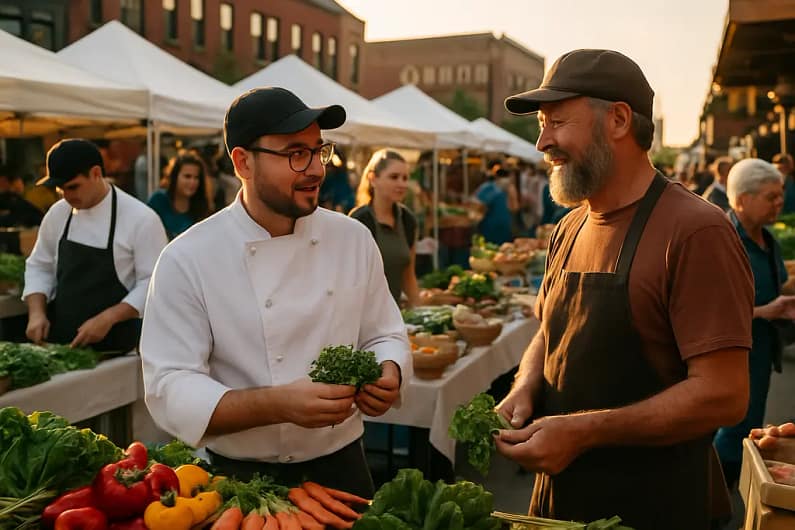
Regional sourcing models are changing how Omaha personal chefs can talk about menus, availability, and value with clients. The clearest public examples still come from restaurants and regional farms rather than in-home chef services, so this case study treats Omaha’s chef-driven restaurant sourcing as a practical signal for personal chefs, not as direct proof of personal chef sales data.
That distinction matters. A restaurant can post a regular menu, buy in higher volume, and train guests to expect some repeat dishes. A personal chef often works with smaller orders, household preferences, and shorter planning windows. Still, the same supply questions apply: Which farms can deliver? Which ingredients are reliable? Which items are seasonal? Which local story is strong enough to help a client understand the price?
Regional Sourcing Models In Omaha Chef Work
Why Regional Sourcing Models Matter To Clients
For clients, the appeal is usually simple: they want food that feels connected to place, not a generic menu that could be cooked anywhere. Regional sourcing models help chefs explain that connection without overstating it. A chef can say, for example, that a menu was planned around Nebraska beef, Iowa herbs, or produce requested from a nearby farm when those details are accurate and confirmed.
Omaha already has restaurant examples that make the idea more concrete. Block 16, a farm-to-table restaurant in Omaha, has featured local sourcing on its regular menu; Omaha Magazine reported that its Croque Garcon Burger used beef from Jon’s Naturals, a Nebraska ranch, and eggs from Evetta Farms. This type of menu transparency can guide personal chefs: clearly naming ingredients and suppliers, when appropriate, offers a concrete connection between choice and dish. Omaha Magazine
What Restaurants Teach Personal Chefs
The restaurant case does not mean a personal chef can copy the same purchasing pattern. A weekly meal-prep client may need five dinners for a family, while a dinner-party client may need one focused menu for eight guests. The practical lesson is communication. If a chef wants to feature a local egg, a regional cut of beef, or an unusual herb, the chef should confirm supply before promising the dish.
That approach also helps with client education. Instead of presenting local sourcing as a luxury label, personal chefs can explain the tradeoffs: some ingredients may be abundant for a short period, some may need advance ordering, and some may cost more than commodity options. Clear wording protects trust. It also helps clients decide whether local sourcing is central to the booking or simply a welcome bonus.
What The Omaha Case Shows
Custom Growing Changes Menu Planning
One of the most useful Omaha-area signals is the growth of farm-to-chef communication. Flavor Country Farms in Honey Creek, Iowa, has been growing for Omaha restaurants, and KETV reported on December 10, 2025, that the farm expanded custom growing of herbs and vegetables to meet chef requests for items that can be hard to source locally. For a personal chef, this highlights a new way to approach menu planning: begin with discussions with suppliers to determine what is available or can be delivered and build the menu accordingly. KETV reported
This is especially relevant for private dinners where one ingredient can set the tone. A distinctive herb, a specific green, or a seasonal vegetable can shape a starter, side dish, or garnish. Yet custom growing also requires restraint. Personal chefs should avoid promising rare local ingredients unless the grower has confirmed timing, quantity, and delivery terms. If the item is uncertain, the proposal should include a backup ingredient from the start.
Consistency Is The Business Test
Local sourcing sounds appealing in marketing copy, but consistency is what makes it usable in a service business. A chef who cooks in clients’ homes cannot spend half the day chasing missing produce. The working model needs dependable ordering, predictable communication, and enough flexibility to adjust menus without frustrating the client.
That is where regional sourcing models can support a stronger business rhythm. A personal chef might keep one menu tier built around widely available staples, then offer a seasonal add-on for clients who want a local producer feature. This keeps the base service steady while still giving room for regional ingredients. It also makes pricing easier to explain because the chef is not treating every seasonal substitution as an emergency.
How Personal Chefs Can Use Local Suppliers
Set Sourcing Expectations Before Booking
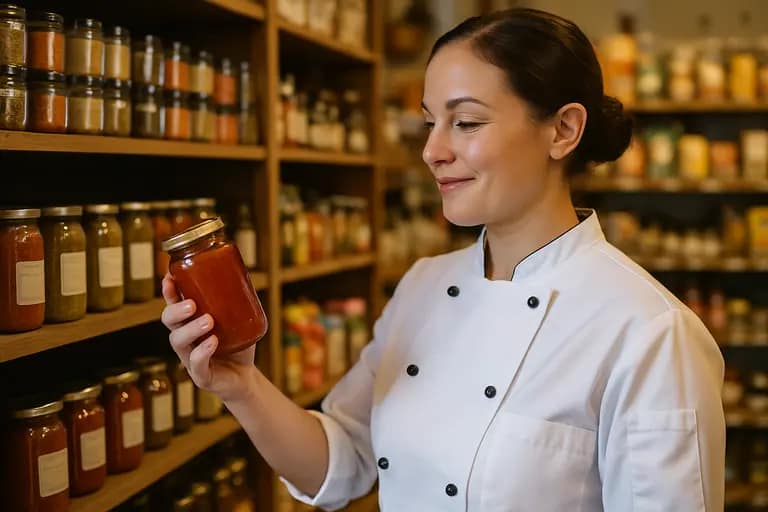
The booking conversation should make sourcing limits plain. A chef can ask whether the client wants a menu that is fully planned around regional products, partly regional, or simply open to local ingredients when they fit. That question saves time because not every client values the same thing. Some want a special-occasion story. Others want reliable family meals first.
A practical intake process can include a few direct questions:
- Do you want the menu planned around local ingredients, or are local items optional?
- Are you comfortable with seasonal substitutions if a farm item is unavailable?
- Would you like supplier names included on the printed or emailed menu?
- Is there a firm budget that should take priority over regional sourcing?
These questions keep the chef from guessing. They also help the client see why a regional menu may need earlier planning than a standard meal-prep session. For chefs building their supplier habits, this related article on local producer networking offers a helpful next step for turning farm relationships into clearer bookings.
Use Restaurant Signals Without Copying Restaurants
Personal chefs can learn from Omaha restaurants, but the service promise is different. A restaurant can absorb a change across a full menu or adjust a special. A personal chef may have one household expecting a specific anniversary dinner. That means substitutions need client approval, not just kitchen judgment.
It can help to present menus in layers. The first layer is the dependable dish: roasted chicken, handmade pasta, braised beef, vegetable grain bowls, or another format the chef can execute well. The second layer is the regional feature: local eggs in a sauce, a Nebraska beef option, or herbs from a nearby grower. The third layer is the backup: a clear replacement if the preferred product is not available.
This kind of structure also supports better marketing. Instead of saying “locally sourced whenever possible,” a chef can write, “Menu may feature regional produce based on confirmed weekly availability.” That is less flashy, but it is more useful to clients. For restaurant-facing inspiration from a related site in the same network, the De Novo Montclair website offers a compelling example of how a dining brand can encapsulate a sense of place for diners.
Regional Sourcing Models For Omaha Chef Bookings
What Diners Should Ask Before Hiring
Clients interested in regional sourcing models should ask practical questions before they book. The goal is not to test the chef, but to understand how the meal will be planned. A good question is, “Which ingredients are you confident you can source regionally for my date?” Another is, “What happens if the farm item is not available?” The answer should include a plan, not just enthusiasm.
Clients can also ask whether supplier names will appear on the menu, whether local sourcing affects cost, and how far in advance the chef needs to place orders. If the chef is arranging a dinner for a fixed date, the client should expect some menu decisions to happen earlier than they would for a standard grocery-based booking. That earlier timeline can be the difference between a well-planned regional feature and a last-minute substitution.
The Omaha Personal Chef Takeaway
The strongest lesson from Omaha is not that every personal chef must build a fully local menu. The lesson is that regional sourcing models work best when they are treated as an operating system, not just a sales phrase. Chefs need supplier communication, backup dishes, honest pricing, and client language that matches what can actually be delivered.
Because the available evidence is stronger for Omaha restaurants and nearby farms than for personal chefs specifically, claims about direct personal chef growth should stay cautious. What is well supported is the direction of travel: Omaha chefs are showing more interest in local farms, some farms are responding to chef requests, and public menu examples are teaching diners to notice supplier details. For personal chefs, that creates an opening to build trust through clear sourcing promises, not inflated claims.