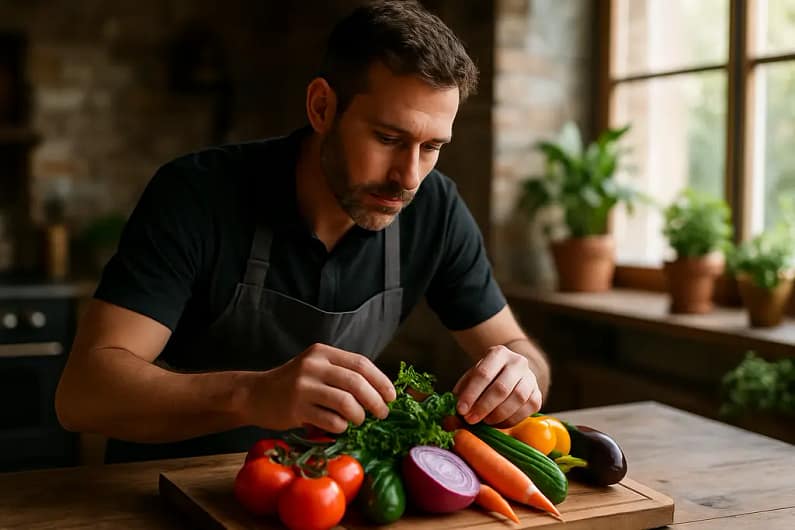
D.C. Local Sourcing is becoming a sharper business choice for personal chefs, not just a pleasant menu detail. For clients, it can signal freshness, community connection, and a more personal dining experience at home. For chefs, it affects shopping time, menu flexibility, pricing, and how clearly the service is explained before a booking is confirmed.
Personal-chef-specific data for Washington, D.C. is limited, so the most reliable view comes from the broader local food business setting. That setting shows both opportunity and pressure. A chef who can explain where ingredients come from, what can be sourced locally, and what will cost more is better positioned to build trust with clients who want a thoughtful home dining service without surprises.
Why D.C. Local Sourcing Matters For Chef Services
D.C. Local Sourcing Signals Care, Not Just A Menu Theme
For a personal chef, the sourcing conversation often starts before the menu. A client may ask whether produce, cheese, bread, meat, or specialty items can come from nearby farms, markets, or food businesses. The chef then has to turn that preference into a practical plan: what is realistic, what is seasonal, what is available at the needed quantity, and what fits the budget.
The data suggests there is room for local buying to grow. A 2016 regional food-economy study found that D.C. food businesses sourced only 4% of fruit and vegetable sales, 2% of poultry and meat, and about 8% of cheese from local or regional producers in the broader D.C. Metro area. The same study reported that D.C. colleges and universities sourced about 10% of bread and bakery, 19% of coffee and tea, and 13% of fresh fruits and vegetables from within-District producers, according to the D.C. food economy study.
Those figures do not describe personal chefs alone. They do show that local purchasing has not saturated the food-service market. That gives independent chefs a chance to stand out, especially if they can present sourcing as part of a clear service package rather than a vague promise.
What The Data Can And Cannot Tell Chefs
The research does not provide a confirmed number for how many personal-chef clients in D.C. will pay a premium for local ingredients. That uncertainty matters. A chef should avoid assuming every client wants the same level of sourcing or the same price point. Some clients may want a fully local-forward dinner for a celebration. Others may prefer a few local items in a weekly meal-prep plan while keeping staples more cost-controlled.
For personal chefs, D.C. Local Sourcing is strongest when it is presented with boundaries. A sample proposal might separate items into three groups: likely local, possible local depending on availability, and not practical to source locally for that date or budget. That kind of framing helps clients feel informed rather than sold to.
How Local Buying Changes The Service Model
Menu Planning Around Supply
Local buying changes how a chef writes menus. A standard menu can be built around predictable grocery availability. A local-forward menu needs more room for substitution. If a planned fruit, vegetable, cheese, or bakery item is not available, the chef needs a backup that still fits the event style and client expectations.
This does not mean the menu has to feel uncertain. It means the chef should write proposals with flexible language. Instead of promising one exact produce item too early, the chef can describe the preparation style and flavor direction, then confirm the final ingredient after shopping. For example, a menu can promise a market vegetable side without naming a specific vegetable until the purchase is confirmed. That keeps the client informed and gives the chef room to buy well.
Chefs who want to make supplier stories part of their marketing can also build stronger service pages around sourcing details. A related planning piece on hyper-local sourcing for personal chefs offers useful ways to turn sourcing choices into clearer menu and booking language.
Pricing Conversations Need To Start Early
That is where D.C. Local Sourcing needs a pricing script. Local or regional items may fit some menus easily, but they can also raise shopping time and ingredient cost. Clients are usually more accepting of a higher quote when they understand what the price includes: planning, sourcing, travel, menu adjustments, prep, cooking, service, and cleanup.
The broader restaurant market also points to cost pressure. In April 2025, The Washington Post reported that wage hikes and government layoffs were pushing D.C. restaurants to the brink, with owners describing a harder business climate for local dining rooms in its restaurant coverage. Personal chefs are not restaurants, but they still operate in the same citywide food economy and may face similar pressure around labor time, ingredient purchasing, and client demand.
A practical quote should avoid burying sourcing costs. If local ingredients are central to the experience, the proposal should say so plainly. A chef might offer one base menu and one local-forward version, making the difference visible. That gives clients a fair choice and protects the chef from absorbing extra costs that were never discussed.
What Clients Should Ask Before Booking
Source Clarity Without Overpromising
Clients do not need to become procurement experts before hiring a chef. They do benefit from asking direct questions. The goal is not to challenge the chef; it is to make sure the menu, budget, and expectations line up before the event date or meal-prep week.
- Which ingredients are likely to come from local or regional sources?
- Will the chef confirm final ingredients after shopping?
- How are substitutions handled if a local item is not available?
- Is shopping time included in the fee or billed separately?
- Can the chef provide a menu option that balances local items with cost control?
These questions are especially useful for dinner parties, recurring meal prep, and small celebrations where the client wants a clear story behind the meal. They also help the chef avoid committing to details that are outside their control.
Backup Plans Protect The Experience
A strong backup plan does not weaken a local sourcing promise. It makes the service more professional. If a chef says, “I will shop for local stone fruit, but if the quality is not right, I will use the best available seasonal fruit and explain the change,” the client knows what to expect. That is more useful than a rigid promise that may fail on shopping day.
Clients should also ask how the chef communicates changes. A quick message before the event may be enough for a family meal. A private dinner may call for an updated menu card or a brief explanation at the start of service. The right level of communication depends on the occasion, but the plan should be agreed on in advance.
Community Value Beyond The Dinner Table

Local Food Stories Can Strengthen Client Loyalty
Local sourcing can help a personal chef build a stronger relationship with the neighborhood. Clients often remember a meal more clearly when the chef can explain why an ingredient was chosen and how it fits the city’s food culture. That story should be specific and honest. It should not claim a product is local unless the chef has confirmed it.
There is also a marketing benefit. A chef who shares sourcing updates, seasonal menu notes, and practical booking details can make the service feel grounded in the community. For readers interested in exploring connections across cafes and home-based food services in the area, Hudson Street Cafe serves as another valuable point of reference in the same food-and-dining network.
The business value is not only in the ingredient itself. It is in the trust created by clear communication. If a client knows why a menu costs what it costs, why an item changed, and how the chef made the buying decision, the service feels more transparent.
D.C. Local Sourcing And Personal Chef Fit
D.C. Local Sourcing works best when it matches the client, the occasion, and the chef’s actual buying capacity. It may be a strong fit for a private dinner built around seasonal ingredients, a weekly client who wants more variety, or a small event where the food story matters. It may be less practical for a tight-budget booking that needs strict menu certainty and minimal shopping time.
The most successful approach is balanced. Chefs can offer local-first options without promising that every ingredient will come from a nearby producer. Clients can ask for local choices while staying open to substitutions. That shared understanding keeps the service practical, supports better planning, and gives local food a clearer place in the personal-chef business model in Washington, D.C.